Key Takeaways:
- Jamie Dimon said wars could drive prolonged global economic uncertainty.
- JPMorgan warns high debt and asset prices may amplify volatility if conditions shift.
- Dimon says trade realignment and conflict could shape the global order for years.
JPMorgan’s CEO Signals Trade Realignment and War Driving Structural Economic Change
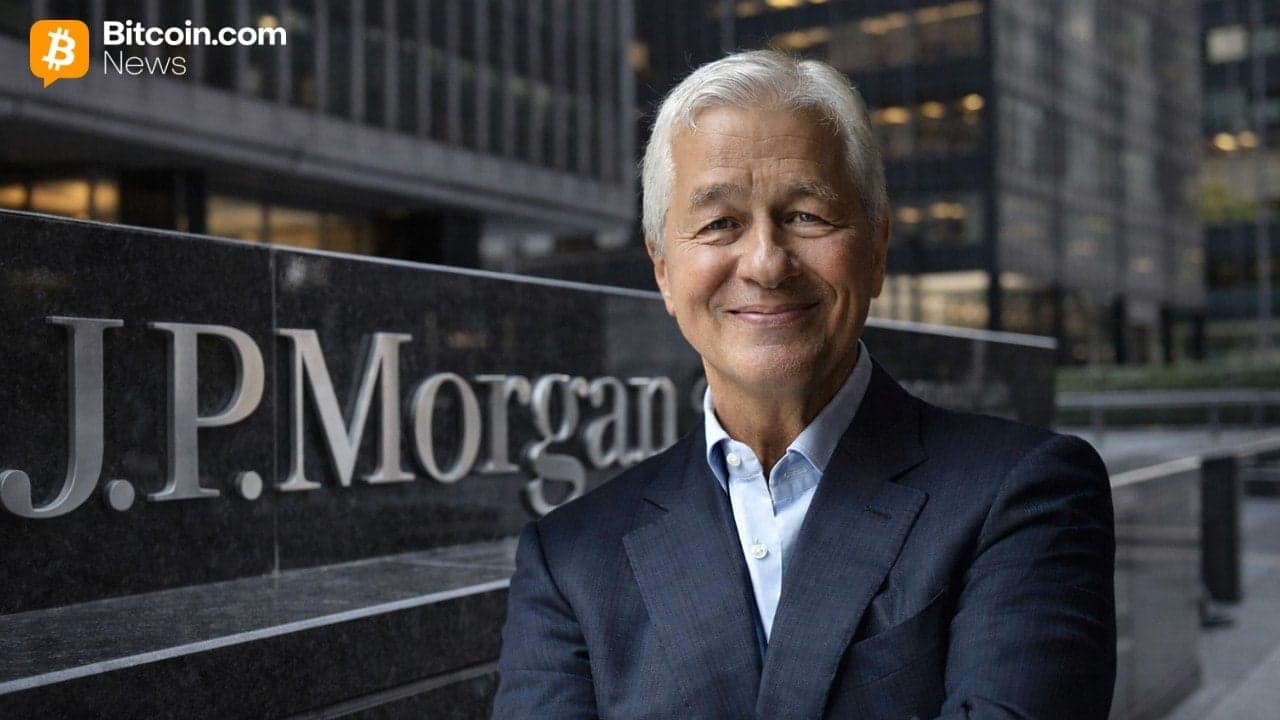
Jamie Dimon, chairman and CEO of JPMorgan Chase & Co. (NYSE: JPM), warned of lasting global economic impacts from wars and shifting trade dynamics on April 6 in his annual letter to shareholders. The largest U.S. bank by assets outlined rising geopolitical pressures in the update. The letter focused on how conflict and trade realignment are shaping long-term economic conditions.
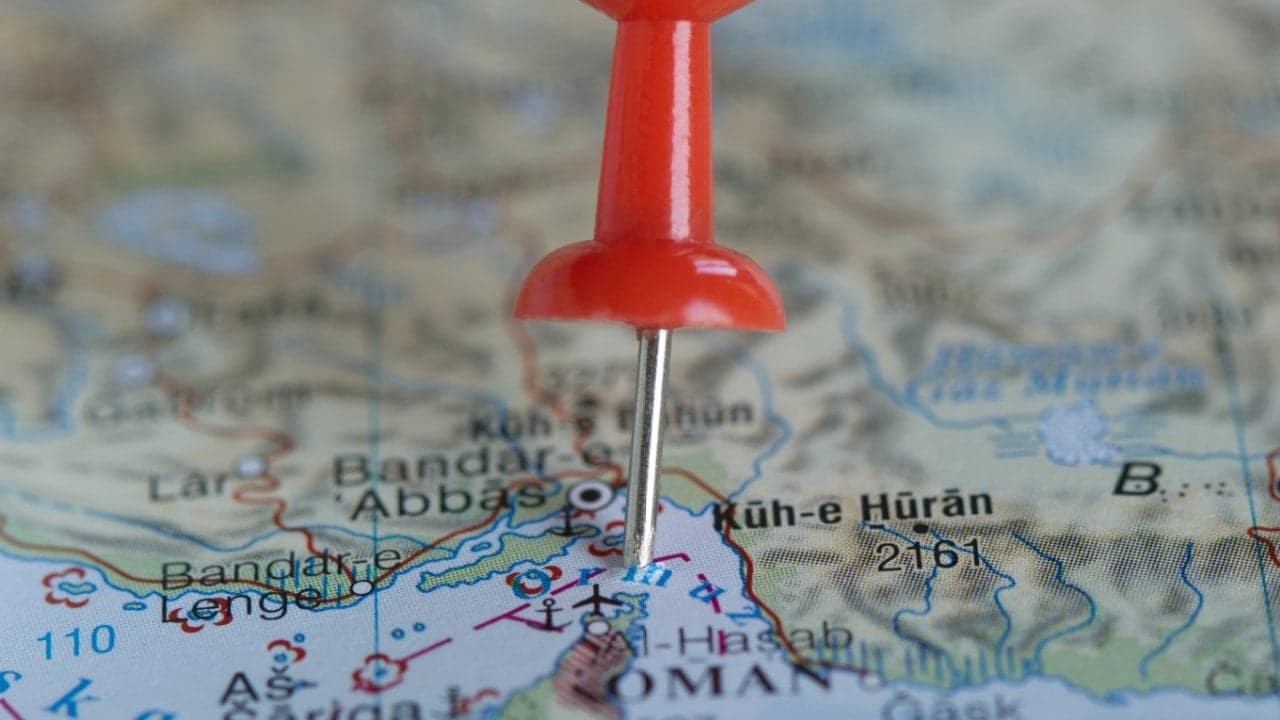
“The challenges we all face are significant,” Dimon stated. “The list is long but at the top are the terrible ongoing war and violence in Ukraine, the current war in Iran and the broader hostilities in the Middle East, terrorist activity and growing geopolitical tensions, importantly with China.” He also noted: “War is the realm of uncertainty, as each side in a war determines what it wants to do.”
The letter describes how these conflicts extend beyond immediate regions and affect global systems. “Given our complex global supply chains, countries are experiencing disruptions in shipbuilding, food and farming, among others,” Dimon explained, cautioning:
“The outcome of current geopolitical events may very well be the defining factor in how the future global economic order unfolds.”
These disruptions highlight how conflicts are not isolated shocks but forces reshaping global production and trade systems over time.
Debt Risks and Market Pressures Add to Global Uncertainty
Trade dynamics were also identified as a key driver of long-term change. The JPMorgan boss observed:
“The trade battles are clearly not over, and it should be expected that many nations are analyzing how and with whom they should create trade arrangements.”
“This is causing a realignment of economic relations in the world,” he opined. These developments reflect a broader shift toward regionalization and strategic alignment, as nations weigh national security, supply chain resilience, and economic competitiveness when forming trade partnerships. The letter indicates that such adjustments are not isolated decisions but part of a wider restructuring of global commerce, where long-standing trade patterns are being reconsidered and, in some cases, replaced by new frameworks that could define global trade flows for years to come.
Beyond trade and conflict, the letter pointed to broader structural risks that could amplify these pressures over time. Dimon highlighted that high government debt, elevated asset prices, and shifting global capital flows may interact with geopolitical tensions in unpredictable ways. He described how economic conditions could change quickly if sentiment weakens or if inflation pressures reemerge alongside slower growth.
He also emphasized that multiple risks are unfolding simultaneously rather than in isolation, increasing the difficulty of forecasting outcomes. The combination of war, policy shifts, and financial imbalances creates overlapping challenges that can reinforce one another. This environment, as described in the letter, reflects a global system adjusting to new realities where stability is less certain and long-term planning requires greater resilience.