
From RPOW to Bitcoin
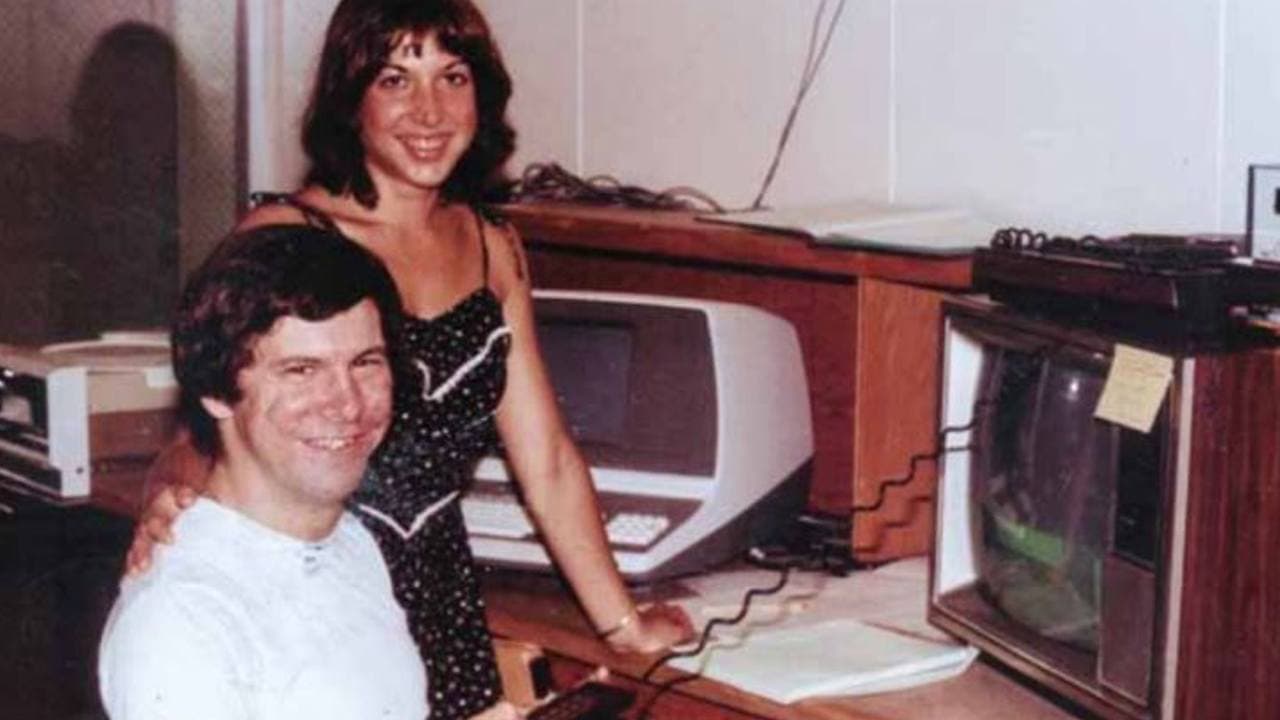
Hal Finney was a highly respected computer scientist and cryptographer, celebrated for his early and influential contributions to digital currency. He was among the first to engage with Bitcoin and famously received the first BTC transaction from Satoshi Nakamoto.
Finney’s influence on the world of crypto assets is undeniable, extending beyond Bitcoin with his creation of Reusable Proofs of Work (RPOW) in 2004—a concept that foreshadowed many elements later essential to Bitcoin.
At its core, Finney’s RPOW system was a pioneering effort to address the issue of double-spending in digital currencies. Building on the proof-of-work ( PoW) concept introduced by Adam Back’s Hashcash, RPOW allowed for the reuse of PoW tokens, acting as a precursor to Bitcoin’s secure transaction methodology.
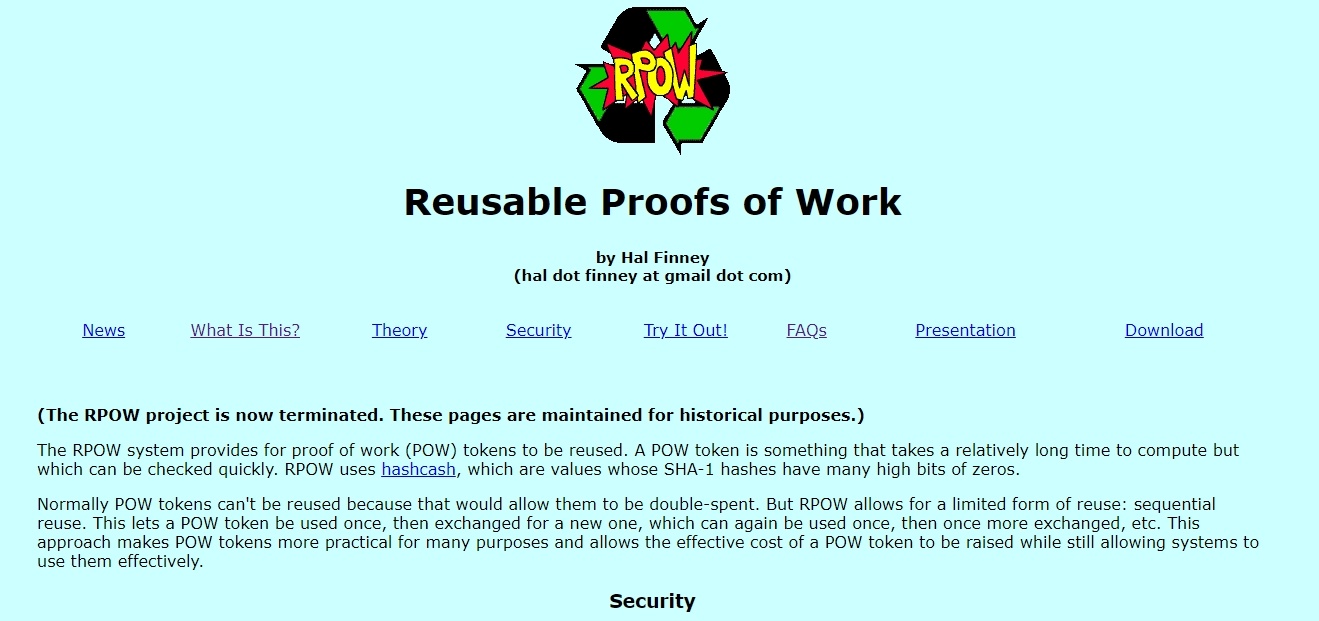
The system enabled a PoW token to be traded for a new one, which could then be reused, thereby maintaining the original token’s value while allowing continued use. This was a major leap forward in digital currency technology, tackling the crucial challenge of preventing the same user from spending tokens multiple times.
The RPOW server, hosted on a secure IBM 4758 cryptographic coprocessor, was another innovative feature of Finney’s system. This hardware ensured the security and integrity of the tokens by allowing users to remotely verify that the server was running the correct software, free from any backdoors.
Finney’s meticulous approach to security and transparency in the RPOW system was groundbreaking, providing a level of trust and assurance critical for the adoption of digital cash systems. On Aug. 15, 2004, Finney shared his vision with the cypherpunk community through a detailed message (which features double-spaces) on the mailing list.
“I’d like to invite members of this list to try out my new hashcash-based server, rpow.net.,” Finney wrote at the time. “This system receives hashcash as a Proof of Work ( POW) token, and in exchange creates RSA-signed tokens which I call Reusable Proof of Work (RPOW) tokens. RPOWs can then be transferred from person to person and exchanged for new RPOWs at each step. Each RPOW or POW token can only be used once but since it gives birth to a new one, it is as though the same token can be handed from person to person.”
At the time, he invited members to experiment with the RPOW system, explaining its workings and potential applications. Finney was open about the system’s beta status and sought feedback from the community to refine the technology. His message, sent exactly 20 years ago, highlights the collaborative and open-source ethos that has defined the cryptocurrency community.
Although RPOW did not achieve widespread use, its significance is undeniable. The principles and technologies that Finney introduced laid the foundation for Bitcoin and the other cryptocurrencies that followed. Afterward, Satoshi unveiled the Bitcoin white paper on Oct. 31, 2008, and officially launched Bitcoin on Jan. 3, 2009. Finney, ever curious and forward-thinking, quickly took an interest in the software and began running the program just days after Satoshi activated the mainnet.
What do you think about Hal Finney’s RPOW idea? Share your thoughts and opinions about this subject in the comments section below.
Bitcoin.com News is seeking a News Writer to produce daily content on cryptocurrency, blockchain, and the digital currency ecosystem. If you are interested in becoming a key member of our innovative global team, apply here.