
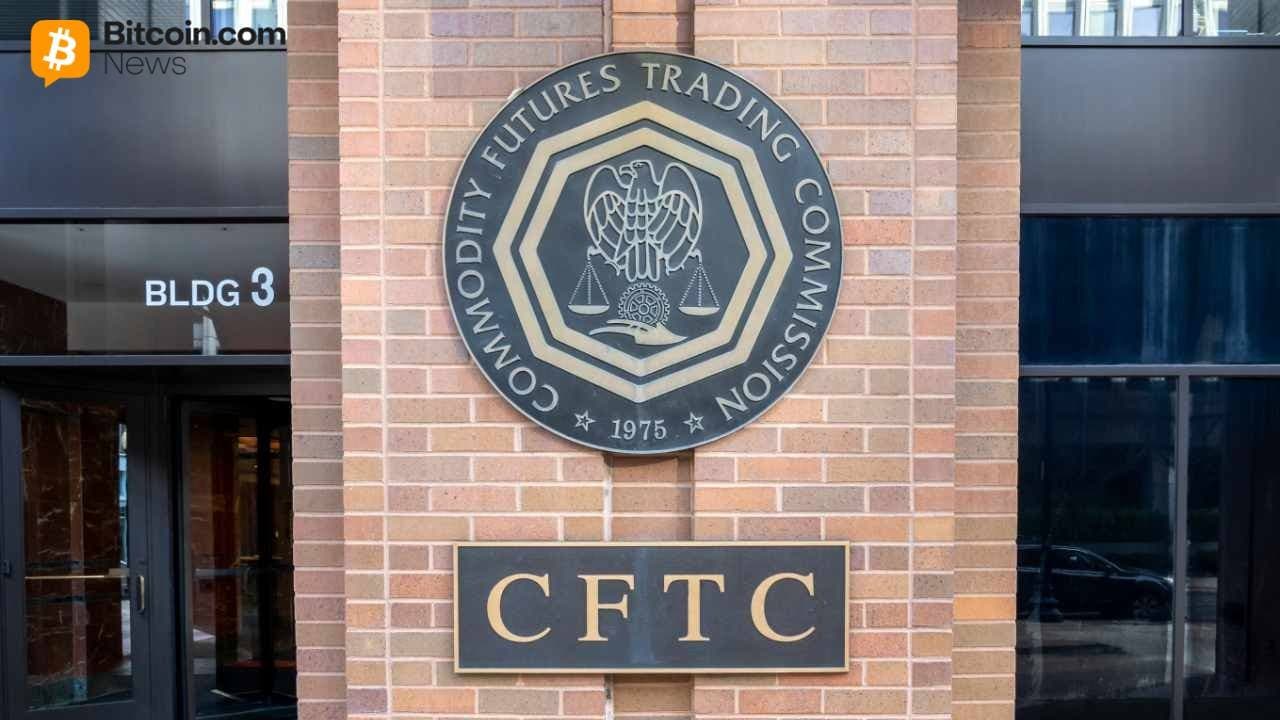
CFTC Review of Gemini Case Reshapes Crypto Enforcement
The Commodity Futures Trading Commission (CFTC) brought its effort to unwind parts of the Gemini case to federal court on May 27, joining the company in a motion to remove remaining restrictions tied to the long-running action against Gemini Trust Company LLC. The agency asked the court to vacate prospective provisions linked to a January 2025 consent order after concluding the original complaint should not have been filed under current standards.
The federal agency said the review covered the investigation’s history, litigation strategy, evidentiary record, and broader digital-asset enforcement policy changes across government agencies. The case began in June 2022 in the U.S. District Court for the Southern District of New York and centered on allegations that Gemini made false or misleading statements during a registration process connected to a bitcoin futures product. The CFTC stated that Gemini had already satisfied the settlement’s $5 million civil monetary penalty, leaving only the consent order’s prospective provisions for the court to consider. The regulator stated:
“The CFTC concluded the complaint should not have been filed — and would not have been under current enforcement standards.”
The CFTC also outlined several internal concerns uncovered during the review, including questions about witness credibility, evidence handling, and litigation conduct. The agency said the complaint relied heavily on a whistleblower account already viewed as lacking credibility. Commission staff further stated that evidentiary support requested by a commissioner was withheld before the agency voted on the complaint. The filing also cited concerns that litigation counsel blocked access to information Gemini considered necessary for its defense while asserting deliberative process privilege during discovery disputes.
Gemini Trust Company LLC operates the Gemini cryptocurrency exchange founded by Cameron and Tyler Winklevoss, who launched the platform in 2014 as a regulated digital-asset marketplace for U.S. users. The company has positioned itself as a compliance-focused crypto firm and obtained a New York trust charter through the New York State Department of Financial Services, allowing it to offer custody and trading services under state banking oversight.
SEC and CFTC Coordination Alters Crypto Oversight Path
Broader federal policy changes have increasingly favored coordinated oversight and reduced regulatory fragmentation for digital assets. In March, the Securities and Exchange Commission (SEC) and the CFTC signed a new memorandum of understanding aimed at harmonizing crypto supervision, streamlining oversight, and limiting duplicative enforcement actions across agencies. The initiative specifically highlighted digital assets and emerging financial technologies as priority areas for joint coordination.
After reviewing Gemini’s settlement terms and the remaining prospective restrictions, the regulator stated:
“The CFTC determined that continuing enforcement of the consent order’s prospective provisions serves neither the CFTC’s mission nor the public interest.”
Recent CFTC actions also point toward a revised enforcement strategy emphasizing cooperation, transparency, and narrower use of punitive actions. On May 19, the agency issued updated guidance explaining how firms may receive cooperation credit or potential declinations after self-reporting and remediation efforts. The agency described the policy as part of a broader effort to simplify enforcement practices while strengthening market integrity protections.
Gemini’s case could become a reference point for future crypto disputes involving federal agencies and digital-asset firms. The joint motion asks the court to remove remaining restrictions tied to the settlement, arguing that continued enforcement no longer serves the public interest or the agency’s mission. The reversal could shape pending and future crypto litigation in the United States.