Indonesian Government Blocks Polymarket Over Online Gambling Laws
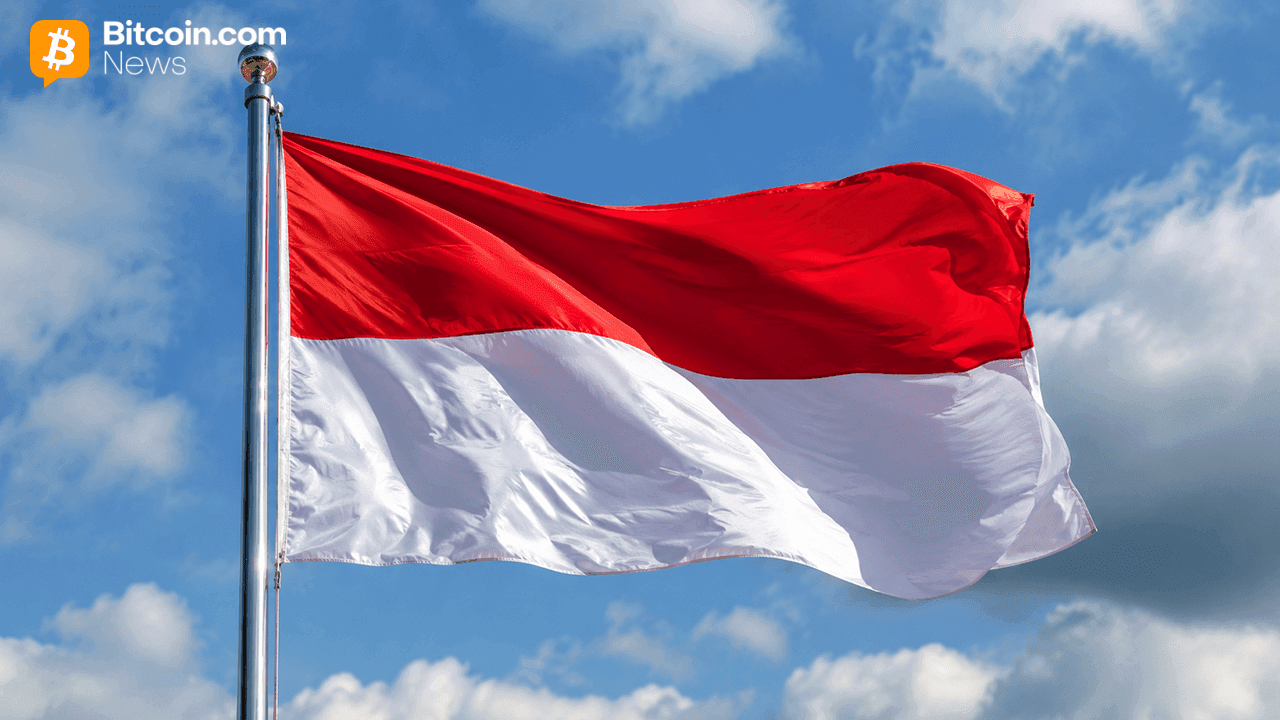
The block was announced by Indonesia’s Ministry of Communication and Digital Affairs, known locally as Komdigi, on or around May 22, 2026, according to several local publications. The move came days after a Polymarket market went live on May 21, allowing users to wager on Prabowo’s early departure from power. The market drew immediate attention on Indonesian social media, news publications, and accelerated government action.
Alexander Sabar, Director General of Digital Space Supervision at Komdigi, was direct about the government’s position. “The government will not allow any form of online gambling in Indonesia,” he said, adding that activities involving “betting and speculation over events that are inconclusive” violate Indonesian law regardless of whether they use blockchain or cryptocurrency infrastructure.
Komdigi classified Polymarket as an online gambling platform operating under the cover of a prediction market. Under Indonesian law, wagering on uncertain future events, including politics, sports, and economic outcomes, meets the legal threshold for gambling. Officials said the block was intended to protect the public, particularly younger users, from financial losses tied to speculative activity.
The ministry said it is also tracing and restricting social media accounts affiliated with Polymarket to enforce a more complete ban across platforms.
Polymarket had not issued a public statement in response to the block as of initial reports. Indonesian users blocked by DNS-level restrictions at the ISP level can still access the platform through VPNs.
The ban is part of a long-running national effort. Gambling is illegal in Indonesia, a Muslim-majority country of roughly 280 million people with strict prohibitions on betting in any form. Authorities have blocked millions of gambling-related domains and frozen more than 33,000 bank accounts linked to online betting activity in earlier 2026 enforcement actions. The government coordinates enforcement across multiple agencies, including financial regulator OJK and law enforcement.
The Polymarket market on Prabowo appeared shortly after the president announced plans to consolidate control over key commodity exports, including palm oil, coal, and nickel, through a state agency. That policy drew economic scrutiny and may have contributed to the market gaining traction online.
Indonesia is not alone in restricting the prediction market platform. Polymarket has faced blocks or access limitations in Singapore, Brazil, and India, with additional restrictions in Taiwan and Thailand. Prediction markets globally face regulatory pressure over gambling classifications, unlicensed operations, and concerns about speculative manipulation.
The Indonesian government has framed its digital enforcement posture around building what officials describe as a “safe, healthy, and productive” online environment. In practice, that means platforms facilitating any form of wagering, including those using decentralized infrastructure, face the same legal treatment as traditional betting sites.
Polymarket launched in 2020 and has grown into one of the most-used prediction market platforms globally, with markets covering elections, geopolitical events, and economic indicators. Its decentralized structure and crypto-based settlement have not insulated it from national-level restrictions.
For Indonesian users, the platform joins a growing list of blocked services. For Polymarket, Indonesia adds one more jurisdiction where access depends on a VPN.