SEC Free Market Push Could Reach Crypto Issuers
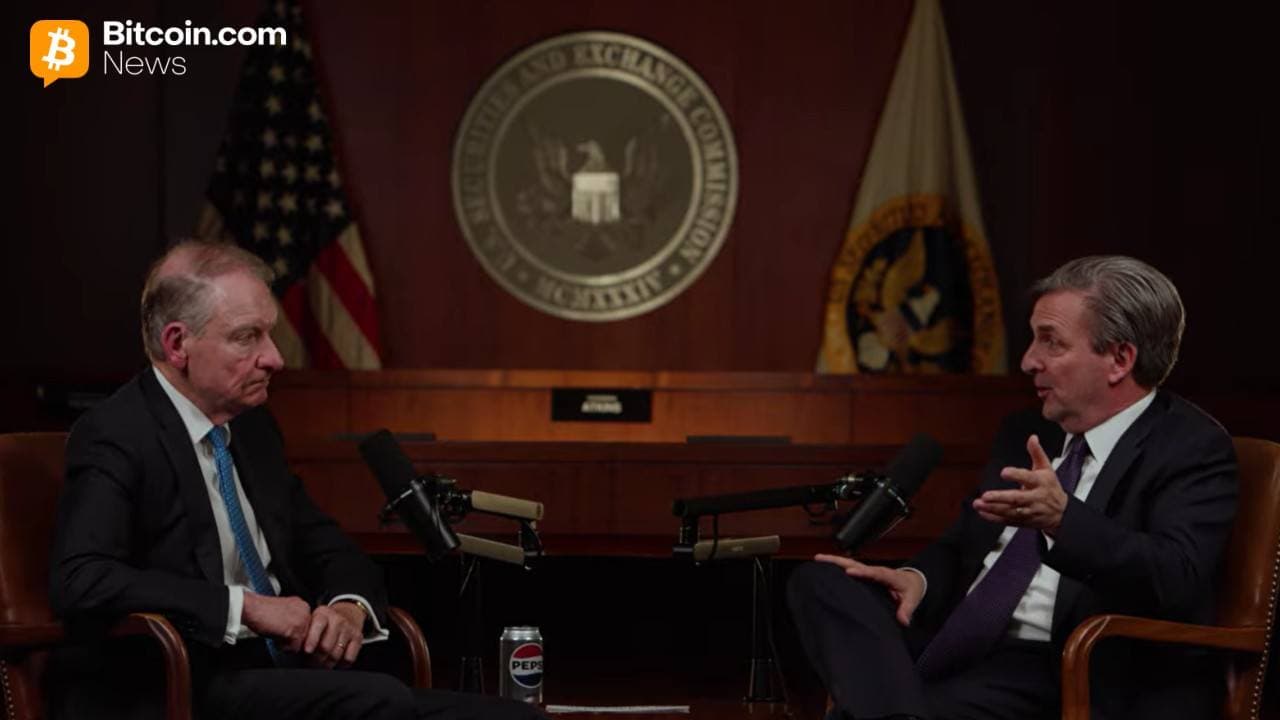
The Securities and Exchange Commission (SEC) “Material Matters” podcast points to a broader push to modernize securities rules that could affect crypto-linked public companies over time. In the second episode released on May 12, Division of Corporation Finance Director Jim Moloney discussed free-market principles, rule modernization, capital formation, and more direct staff engagement during a conversation with Chair Paul Atkins.
Crypto-related issuers often operate in areas where regulation remains complex, including custody, token activity, bitcoin exposure, cybersecurity, and accounting treatment. Moloney said crypto asset issues are among the initiatives on the division’s agenda, along with disclosure simplification, proxy rules and climate-related regulations.
“We simply can’t sit still and assume that what was developed 50 years ago, 80 years ago, still holds true today. The laws, the rules need to be updated and addressing the new technology,” he stressed, adding:
“We want to facilitate entrepreneurs in coming forth with their ideas to build these business models. Let the free markets be free.”
That language could carry implications for crypto companies that have argued existing securities frameworks do not fully align with digital asset markets and blockchain-based business models. Moloney described a need to reassess older frameworks, reduce unnecessary burdens, and make the agency more responsive to market participants. For crypto issuers, that could affect how companies seek feedback, structure filings, and communicate material risks to investors.
Crypto Firms Could See a More Flexible SEC Approach
Several parts of the discussion could affect crypto issuers without creating immediate rule changes. Moloney addressed disclosure simplification, semiannual reporting, Regulation S-K, and renewed use of staff guidance. Each area could shape how digital asset firms interact with the SEC, including miners, treasury companies, and crypto platforms.
A more open process inside the Division of Corporation Finance could be relevant for companies seeking clarity on registration statements, public filings, or digital asset disclosures. Moloney said the division has resumed publishing responses to recurring market questions after participants asked for more transparency. That shift could give issuers more visible guidance before they make filing decisions or pursue public market activity.
Atkins stated:
“One thing that we’ve talked about with respect to your division is being more receptive to questions from issuers and other people.”
Reporting frequency is another possible pressure point. Moloney discussed concerns that public companies spend significant time preparing three quarterly reports and one annual report each year. If semiannual reporting becomes available to some issuers, public companies with digital asset exposure could still use Form 8-K filings, earnings calls, and other investor updates to report material developments.
The first SEC “Material Matters” episode, released on April 16, also placed crypto near the center of the SEC’s broader priorities. Atkins said digital asset regulation was “really top on our list” and linked the effort to President Donald Trump’s goal of making the United States the crypto capital of the world. Commissioner Hester Peirce additionally said regulators still lack a framework for spot crypto market structure, showing that digital asset oversight remains an active focus across multiple areas of the agency’s agenda.