Key Takeaways:
- Pakistan enabled licensed crypto firms to access banking, reversing its earlier blanket restriction.
- Banks must apply strict due diligence and FMU reporting when onboarding licensed firms.
- Pakistan lifted its 2018 ban that blocked banks from processing, trading, or holding crypto assets.
SBP Circular Reverses 2018 Restriction, Opens Banking Access to VASPs
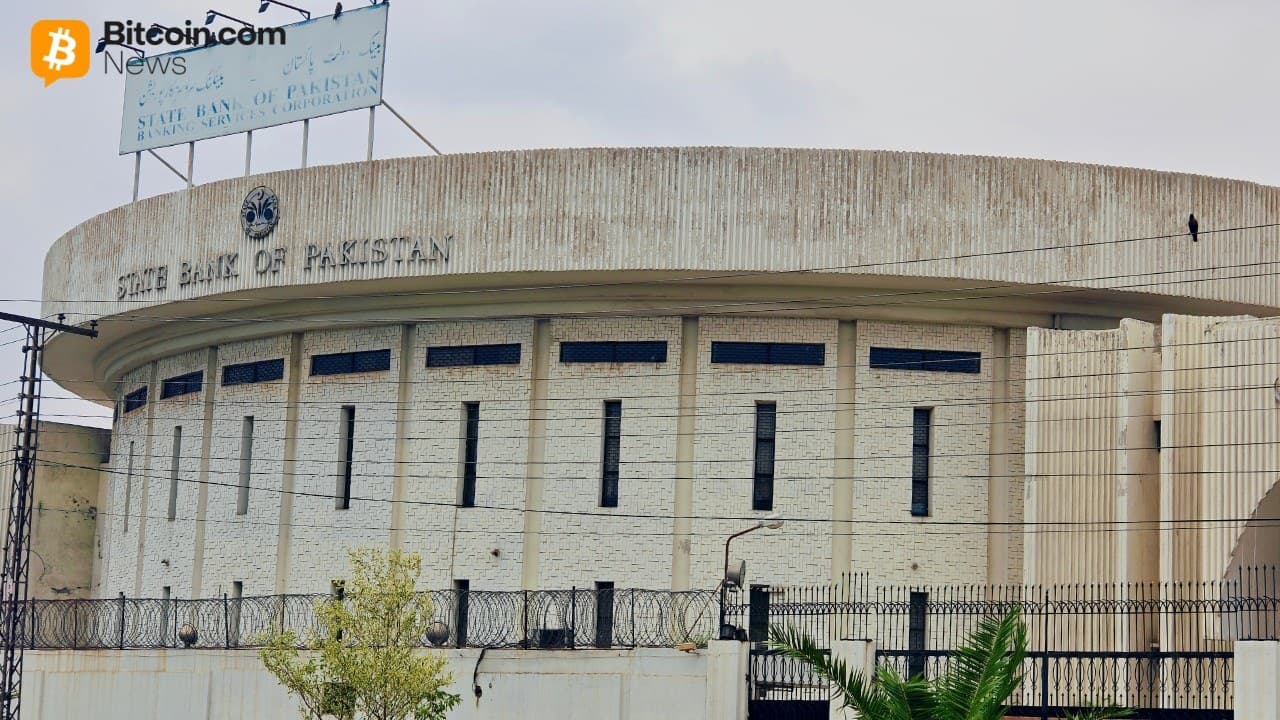
Pakistan’s latest regulatory update is changing how digital asset companies connect with the formal financial system, pointing to a more structured model of oversight and controlled participation. On April 14, the State Bank of Pakistan (SBP) issued BPRD Circular Letter No. 10 of 2026, permitting SBP-regulated entities to open accounts for licensed virtual asset service providers (VASPs) under defined compliance conditions.
The circular builds on recent legislative developments that provide the legal basis for this shift. It explicitly recognizes the regulatory foundation, stating:
“The Virtual Assets Act, 2026 has been enacted, pursuant to which, Pakistan Virtual Asset Regulatory Authority (PVARA) has been established as the statutory authority responsible for the licensing, regulation, supervision and oversight of virtual asset activities in Pakistan.”
With that framework in place, the directive effectively replaces the earlier restriction and allows regulated institutions to work with licensed entities, noting: “subject to strict compliance with the conditions outlined herein, SBP Regulated Entities (REs) may open bank accounts of entities duly licensed by PVARA as Virtual Asset Service Providers (VASPs).”
The policy shift marks a clear reversal from SBP BPRD Circular No. 03 of 2018, issued on April 6, 2018. In that earlier directive, the central bank stated: “Virtual currencies (VCs) like bitcoin, litecoin, pakcoin, onecoin, dascoin, pay diamond etc. or initial coin offerings ( ICO) tokens are not legal tender, issued or guaranteed by the government of Pakistan.” It also said regulated institutions “are advised to refrain from processing, using, trading, holding, transferring value, promoting and investing in virtual currencies/tokens.” The 2018 circular covered banks, development finance institutions, microfinance banks, payment system operators, and payment service providers. The central bank emphasized at the time: “Any transaction in this regard shall immediately be reported to Financial Monitoring Unit (FMU) as a suspicious transaction.”
SBP Maintains Strict Controls on VASP Banking Access
The new framework introduces detailed operational and compliance requirements for financial institutions. Banks must verify VASP licenses directly with PVARA before onboarding and establish segregated client money accounts to process authorized transactions. These accounts must be nonremunerative, denominated in Pakistani rupees, and restricted from cash transactions or use as collateral.
Alongside these safeguards, regulated entities are required to enhance due diligence measures by evaluating each VASP’s business model, customer onboarding processes, and geographic exposure. Risk profiling systems must also be updated to reflect digital asset related risks, while ongoing monitoring and suspicious transaction reporting to the Financial Monitoring Unit remain mandatory under existing laws.
The directive also outlines a transitional pathway for firms seeking full authorization. Entities holding a no-objection certificate from PVARA may access limited-purpose accounts to complete licensing requirements, though broader services remain restricted until formal approval. The circular reiterated:
“REs shall not invest, trade or hold virtual assets using their own funds or customer deposits.”
This restriction underscores the SBP’s cautious stance, balancing access with risk containment while maintaining full compliance responsibility across all applicable regulatory frameworks.