

Market Overview: Global Factors and Crypto Trends
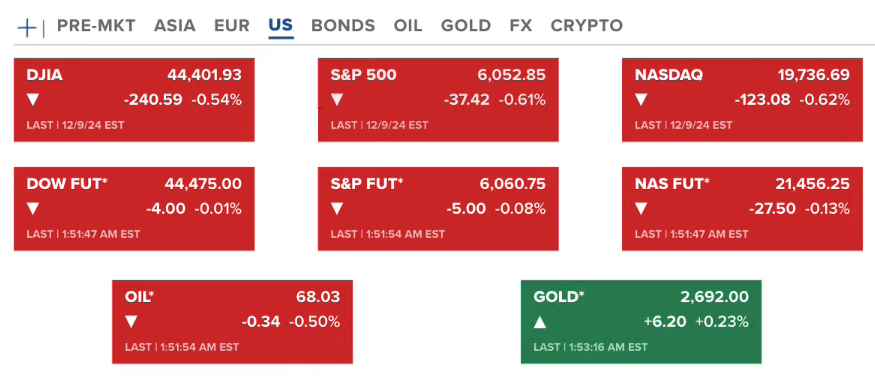
On Monday, December 9, global financial markets saw broad declines. U.S. stock indices retreated alongside futures markets, with oil prices stabilizing around $68 per barrel and gold slightly increasing to $2,692 per ounce.
China’s Economic Struggles
China’s latest trade data revealed mixed signals:
- Exports rose 6.7% YoY, below the forecast of 8.5%.
- Imports fell 3.9% YoY, defying expectations of a 0.3% increase.
China’s youth unemployment remains high at 17.1%, signaling structural challenges. Persistent deflationary pressures suggest Beijing may resort to further monetary easing to stabilize its economy.
Bitcoin’s Correction and Liquidation Cascade
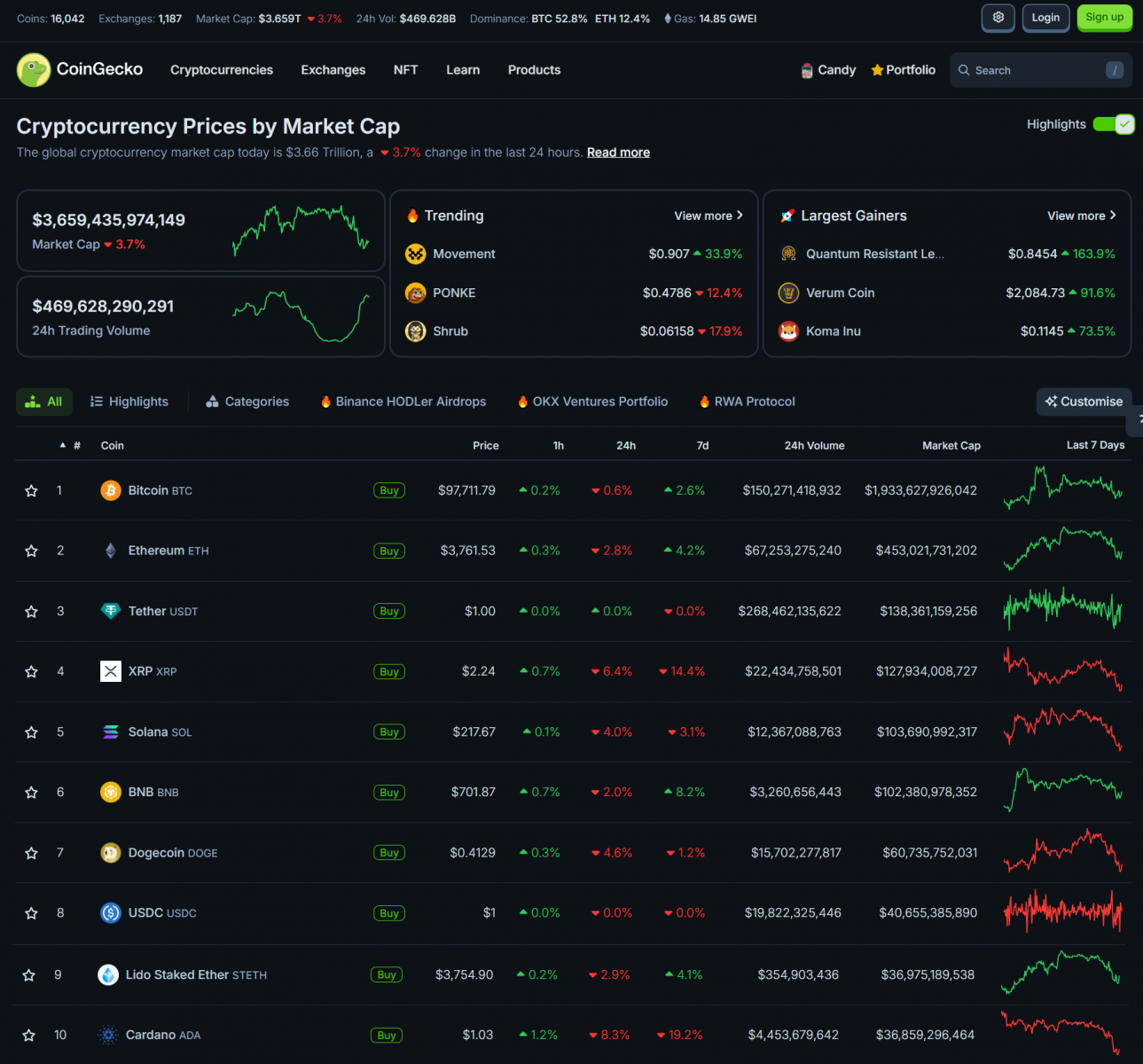
Bitcoin experienced a sharp decline, briefly touching $95,000 before rebounding to $97,000. The broader crypto market followed suit, with total market capitalization sliding to $3.659 trillion.
ETF Inflows and Leveraged Liquidations
Despite the dip, U.S. BTC spot ETFs saw net inflows of $479 million, while ETH spot ETFs attracted an additional $149 million. These figures reflect sustained institutional interest, even as leveraged trading faced turbulence:
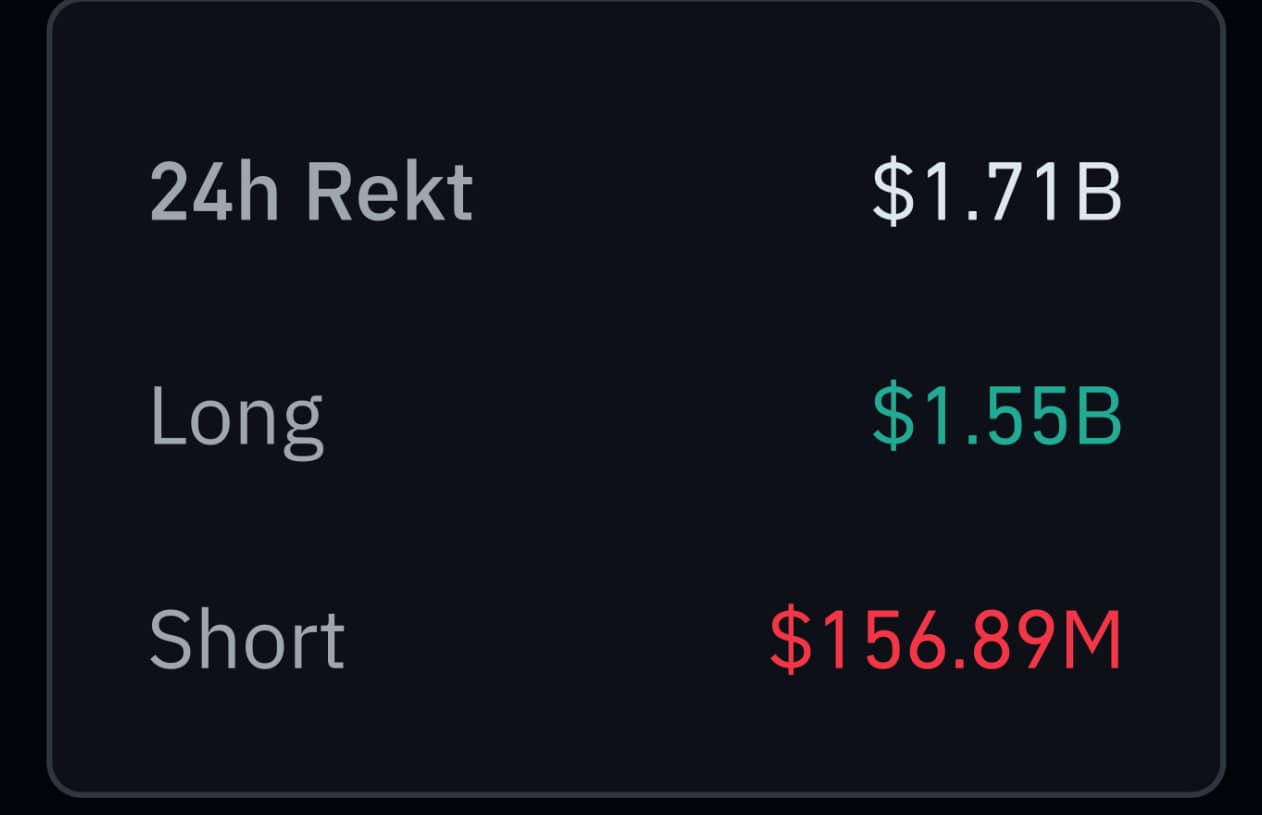
- Total liquidations exceeded $1.7 billion, with $1.5 billion from long positions.
- The surge in leverage over recent months heightened vulnerability to Long Squeeze events, a familiar pattern in Bitcoin’s cyclical history.
Market Cycles and Trump’s Effect on Bitcoin
Historically, Bitcoin adheres to a four-year cycle, influenced by the halving mechanism and broader market psychology. The recent rally, fueled by optimism surrounding Donald Trump’s election victory, echoes similar patterns observed in 2020. Bitcoin surged over 30% post-election but could face a correction of up to 30%, potentially testing the $70,000 level, as observed in past Republican administrations.
Writer’s Take: Short-Term Correction, Long-Term Growth
While market corrections can induce fear, they often reset over-leveraged positions, paving the way for more sustainable growth. Trump’s pro-crypto stance, coupled with regulatory clarity, creates a favorable environment for long-term Bitcoin adoption and institutional participation.
Quantum Computing: Threat or FUD?
Google’s Willow Chip
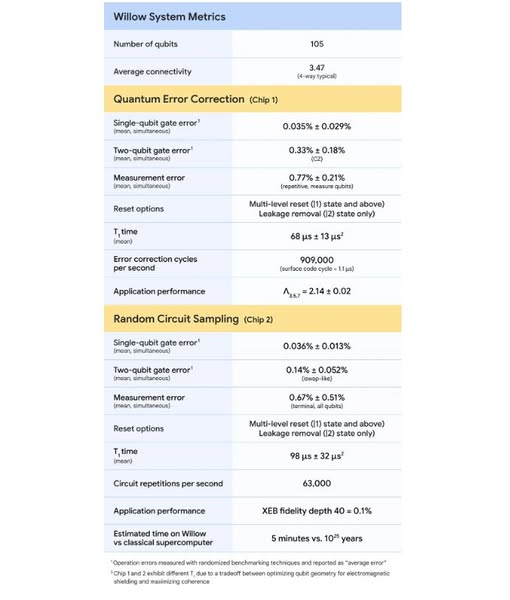
Google’s new Willow quantum processor, boasting 105 qubits, has reignited concerns over Bitcoin’s security. Could quantum computing compromise Bitcoin’s SHA-256 encryption?
Experts estimate it would take 13 million qubits to break Bitcoin’s encryption within 24 hours—a milestone far from current technological capabilities. Moreover, Satoshi Nakamoto foresaw this eventuality, suggesting a potential hard fork to a post-quantum cryptographic standard.
Perspective: A Broader Security Landscape
Quantum computing poses risks not just to Bitcoin but to global security systems, from financial networks to national defense. As quantum technologies advance, post-quantum cryptography is being developed in parallel, ensuring that Bitcoin and other critical systems adapt over time.
Bitcoin Game Theory: A Global Race
U.S. Reserve Proposal and Global Ripple Effects
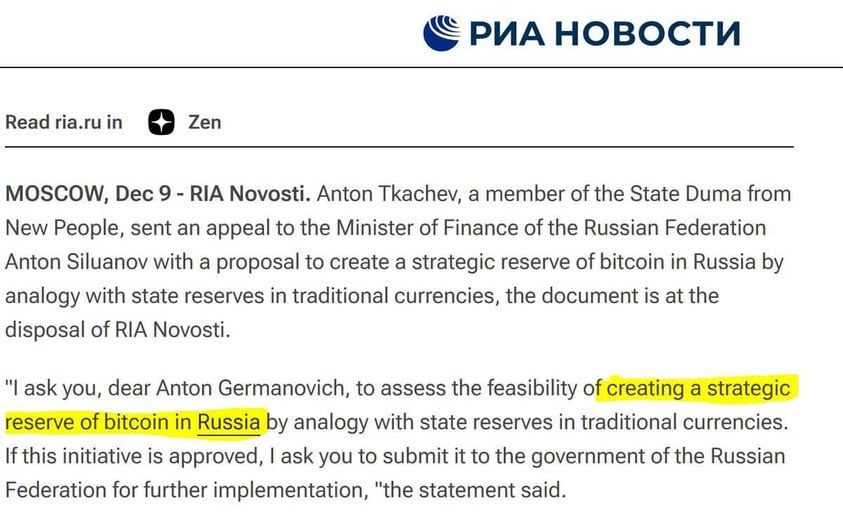
Donald Trump’s proposal for a U.S. Bitcoin reserve has catalyzed a wave of strategic moves globally. Notably:
- Russia: Deputy Speaker Anton Tkachev proposed a strategic Bitcoin reserve to diversify away from traditional fiat reserves, citing vulnerability to inflation and sanctions.
- Iran: The Central Bank of Iran approved a regulatory framework for crypto, facilitating broker licensing and encouraging blockchain innovation to bypass sanctions.
- Argentina: Regulators approved crypto ETFs, providing retail investors access to Bitcoin and Ethereum through local exchanges.
Institutional Moves and Crypto’s Growing Footprint
MicroStrategy’s Continued Accumulation
MicroStrategy expanded its Bitcoin holdings to 423,650 BTC, valued at $25.6 billion. The company’s strategy has not only stabilized its financial outlook but also cemented Michael Saylor’s role as a trusted advisor for traditional firms exploring crypto.
Bhutan’s Strategic Bitcoin Holdings
The Royal Government of Bhutan transferred 406 BTC ($40 million) to QCPCapital, likely for a sale. Bhutan actively mines and holds 12,202 BTC ($1.2 billion), exemplifying sovereign interest in Bitcoin as a strategic asset.
Market Trends and Emerging Risks
Gaming Sector Decline
The once-promising tap-to-earn model on Telegram faces dwindling user interest, with search volume dropping 80% from mid-2024. Games like Hamster Kombat have lost millions of users due to repetitive gameplay and withdrawal challenges.
IMF’s Bitcoin Influence on El Salvador
El Salvador is negotiating a $1.3 billion IMF loan conditional on making Bitcoin usage voluntary rather than mandatory for businesses. Speculation suggests the country may reinvest these funds into Bitcoin, maintaining its unique position as a national BTC pioneer.
Navigating Market Dynamics
Bitcoin’s short-term corrections, whether due to liquidations or macroeconomic factors, often serve as a healthy reset for long-term growth. While speculative fears like quantum computing persist, Bitcoin’s adaptability and decentralized ethos ensure its resilience. The global game theory surrounding Bitcoin adoption by nations and institutions further underscores its growing importance in the modern financial ecosystem.
Investors should approach these developments with a balanced perspective, focusing on long-term trends while managing short-term risks.
Disclaimer
The information provided herein is for educational and informational purposes only and does not constitute financial or investment advice. Cryptocurrency investments carry substantial risks, and readers are advised to consult a financial professional before making investment decisions.