Pump.fun Team and the Suspicious Transactions
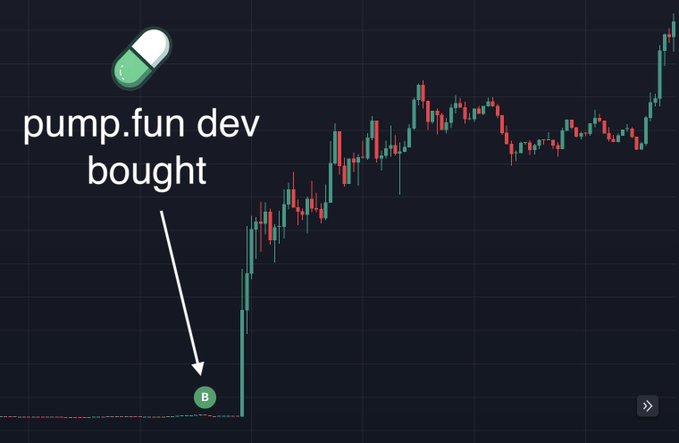
The controversy began when a researcher analyzed Pump.fun’s trading tutorial video and uncovered several suspicious transactions linked to the development team. Key findings include:
Highlighted Wallet Activities
- Wallet 831qmkeGhfL8…
- Traded 538 tokens and profited approximately $650,000.
- Notable tokens: SUPERCYCLE, MOTION, and OIIAOIIA.
- Wallet J2Q2j6kpSg7…
- Traded only 4 tokens but raked in a staggering $1.3 million.
- Most successful trade: RETARDIO.
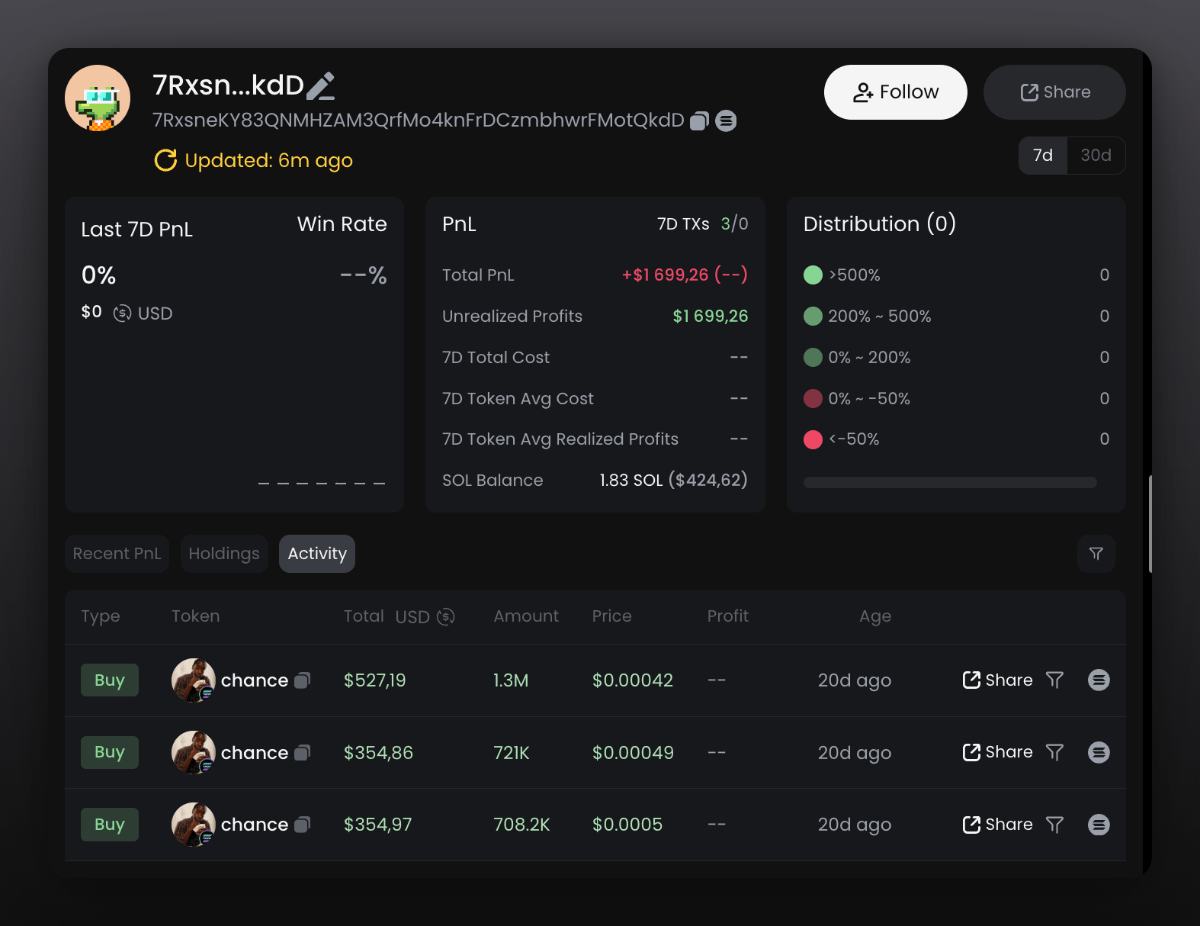
- Wallet 7RxsneKY83Q…
- Primarily funded other wallets but remains active and worth monitoring.
These wallets collectively hold millions of dollars in meme coins, raising questions about insider trading practices. The developers seem to have a head start, often cashing in before most users even participate.
What About the Users?
Pump.fun charges a 1% transaction fee on every trade until a token reaches a $60,000 market cap, enabling its listing on Raydium. However, data reveals a harsh reality for the majority of users:
- 60%+ of users end up in losses.
- Only 3% of users earn over $1,000.
- A mere 0.8% profit more than $10.
This disparity begs the question: Who truly benefits from the platform?
Meme Coins: Get Rich Quick or a Dangerous Trap?
The numbers are staggering. From August 11 to August 17, 181,000 new tokens were created on decentralized exchanges (DEXes). Of these, 89% were launched on Pump.fun, equating to 161,000 tokens. However:
- Only 1.2% of these tokens met the listing criteria for Raydium.
- 98.8% of tokens failed to attract meaningful trading volume, rendering them effectively worthless.
Why the High Attrition Rate?
- Thousands of new tokens are minted daily, but only a tiny fraction survive.
- Most tokens fail to generate trading interest or deliver any value, leaving users with empty bags.
Where Does the Profit Go?
Analyzing transaction data suggests that the developers are the biggest beneficiaries, with significant revenue generated from transaction fees. Meanwhile, users bear the brunt of risks and losses in this high-stakes meme coin game.
Key Insights for Meme Coin Traders
Pump.fun’s case is a cautionary tale for those drawn to the promise of quick riches in meme coins. Here’s what traders should consider:
- Understand the Risks:
Meme coins are extremely volatile, with prices capable of dropping 80-90% in a single day. - Research Thoroughly:
Before investing, investigate token fundamentals, the team, and community engagement. - Diversify and Limit Exposure:
Never allocate a significant portion of your portfolio to speculative assets like meme coins. - Be Wary of FOMO:
Chasing the hype often leads to buying at the top and selling at a loss.
Conclusion
Pump.fun illustrates how opportunities in the meme coin market often come with disproportionate risks. While some traders—often those closest to the source—make substantial profits, the majority of participants end up with losses. The platform’s business model highlights the importance of skepticism and caution in navigating this highly speculative space.
For users exploring the meme coin ecosystem, remember:
Do Your Own Research (DYOR), manage risk, and stay vigilant. Only invest what you can afford to lose, as the allure of meme coins often masks the harsh realities of their volatile nature.