Overview of New Binance Listings
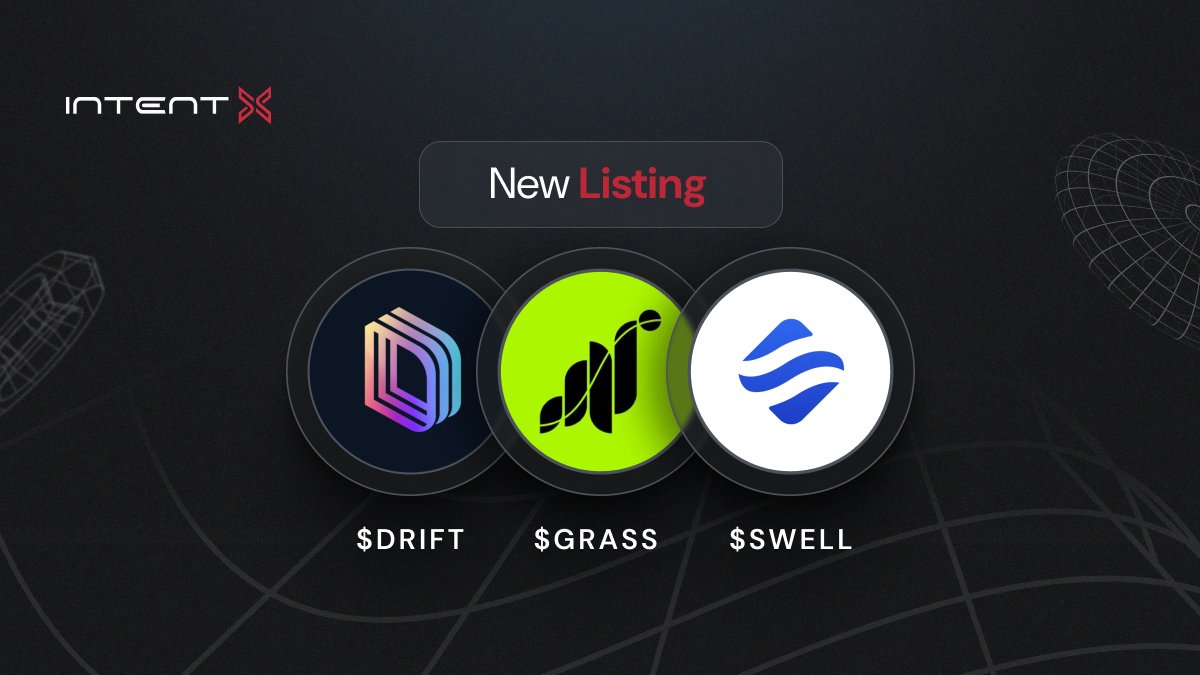
Binance Futures has added three promising projects to its platform: Swell Network (SWELL), Drift Protocol (DRIFT), and Grass (GRASS). Each project serves a unique niche within the blockchain ecosystem, covering liquid staking, decentralized derivatives trading, and AI-driven data infrastructure. Here’s a deep dive into each project and its impact.
1. Swell Network (SWELL): Ethereum Liquid Staking and Liquid Restaking
What is Swell Network?
Swell Network is a decentralized liquid staking protocol on Ethereum. It enables Ethereum holders to stake their ETH for rewards without locking up their funds. Through Swell’s protocol, users gain liquidity in the form of liquid staking tokens, allowing them to use their staked assets in DeFi applications.
Key Features of Swell Network:
- Liquid Staking: Swell offers a liquid staking solution where users receive “swellETH” tokens when they stake their ETH. These tokens can be used across DeFi applications, allowing users to earn staking rewards while also engaging in DeFi yield opportunities.
- Liquid Restaking: A relatively new concept, liquid restaking involves stacking staking rewards, enabling users to compound their earnings by restaking without additional effort. This maximizes the efficiency of staked assets on the Ethereum network.
- Decentralization and Security: Swell utilizes a network of validators to ensure decentralization and security, making it a reliable option for Ethereum holders.
Swell’s Impact on the Ethereum Ecosystem:
Swell Network’s approach aligns with Ethereum’s focus on decentralization and financial inclusivity. Liquid staking opens up new opportunities for users who want to earn staking rewards without losing liquidity. This can potentially lead to higher staking rates, enhancing the security and stability of Ethereum as it transitions to Ethereum 2.0.
2. Drift Protocol (DRIFT): Derivatives DEX on Solana
What is Drift Protocol?
Drift Protocol is a decentralized derivatives exchange (DEX) built on Solana, offering perpetual swaps and other derivative products. Drift combines the high-speed, low-cost infrastructure of Solana with features commonly seen on centralized exchanges to provide a seamless trading experience for users. Drift’s team is also working on Circuit Trading, a high-frequency trading platform intended to bring algorithmic trading strategies to Solana’s ecosystem.
Key Features of Drift Protocol:
- Perpetual Swaps: Drift enables users to trade perpetual contracts, similar to the offerings on centralized exchanges. This provides traders with an option to gain exposure to asset prices without holding the underlying asset.
- AMM v2: Drift’s AMM v2 is a significant upgrade that offers enhanced capital efficiency and improved pricing for traders. The AMM system enables traders to execute orders at a low slippage, leveraging Solana’s scalability.
- Circuit Trading: Aiming to bridge high-frequency trading with DeFi, Circuit Trading enables sophisticated trading algorithms and arbitrage strategies, providing a unique edge for Drift Protocol over other DEXs on Solana.
Drift’s Role in the DeFi Ecosystem:
Drift Protocol serves a critical role in the DeFi ecosystem by enabling decentralized derivatives trading on Solana, a space dominated by centralized exchanges. The combination of perpetual swaps and high-speed trading infrastructure creates an opportunity for Drift to cater to sophisticated traders looking for on-chain, permissionless alternatives.
3. Grass (GRASS): Web Data Mining and Bandwidth Sharing for AI Development
What is Grass?
Grass is an innovative project focused on data mining and bandwidth sharing to support AI development. Grass provides a decentralized infrastructure where users can share bandwidth and contribute to data mining efforts, which is then utilized by companies developing AI technologies. This model supports the growing demand for data in machine learning and artificial intelligence applications.
Key Features of Grass:
- Decentralized Web Data Mining: Grass enables individuals and entities to participate in web data mining, creating a distributed network that gathers useful datasets for AI companies.
- Bandwidth Sharing: Through Grass, users can share their bandwidth in exchange for rewards, which then serves as a data pipeline for AI models. This shared model not only improves access to valuable data but also provides users with an incentive for contributing to the network.
- Privacy and Security: Grass emphasizes privacy, ensuring that data gathered is anonymized and secure. This is a critical feature in today’s data-driven environment, where data privacy is a top concern.
Grass’ Contribution to the AI Ecosystem:
With the rise of machine learning and AI, access to data is crucial. Grass’ decentralized model makes it easier for AI companies to access datasets, fostering innovation and reducing data-related expenses. Additionally, bandwidth sharing incentivizes community participation, making it a sustainable data-sharing model for the AI industry.
Summary and Market Impact
The listing of SWELL, DRIFT, and GRASS on Binance Futures underscores the growing demand for decentralized financial solutions, data infrastructure, and innovative blockchain use cases. Each of these projects addresses specific needs within the blockchain ecosystem, positioning themselves for growth as their respective markets expand:
- Swell Network fills the need for liquid staking on Ethereum, with the potential to attract more ETH holders seeking staking rewards without locking liquidity.
- Drift Protocol taps into the derivatives market on Solana, offering perpetual swaps and high-speed trading features for DeFi traders.
- Grass pioneers a decentralized approach to data mining and bandwidth sharing, creating valuable infrastructure for AI developers.
Disclaimer: This article is for informational purposes only and should not be considered financial advice. Cryptocurrency investments carry risks, and it’s essential to conduct your research and consult a financial advisor before investing. The author does not hold positions in $GRASS, $DRIFT, or $SWELL, and this content is unbiased in evaluating these projects.