The blockchain gaming space has seen a sharp decline in activity since its peak in 2021-2022. As Web3 studios grapple with these challenges, it’s clear that blockchain games face many hurdles that must be addressed to ensure long-term success. Recent data shows a significant drop in active users, wallet activity, and the investment flow into the gaming sector.
As promising as blockchain technology and decentralization are, they aren’t yet mature enough to support the gaming industry on their own. So, what are the key challenges that blockchain games need to solve? Below are insights from leading experts in the Web3 gaming space.
The Key Challenges Blockchain Games Must Overcome:
1. Attracting Users
One of the biggest challenges for blockchain games is user acquisition. Without an effective marketing strategy and a clear distribution model, it becomes difficult to bring games into the hands of potential players. In the traditional gaming space, studios rely on well-established platforms like Steam or Epic Games, but Web3 gaming lacks a comparable, streamlined distribution network.
Additionally, there are regulatory hurdles surrounding digital assets that need to be navigated. Governments worldwide are still forming regulations for crypto assets, and any blockchain game that wants to achieve mass adoption must ensure compliance with these evolving laws.
2. User Experience (UX)
For blockchain games to succeed, they need to drastically improve the user experience (UX). The current process of creating a Web3 wallet and managing seed phrases is complex and intimidating, especially for new users who are unfamiliar with crypto.
To address this, blockchain games should aim for a frictionless experience akin to traditional online purchases. Imagine onboarding into a game with the simplicity of one-click buying on Amazon. Two promising solutions are ERC-6551 and ERC-4337 (Account Abstraction), which are working toward more seamless user experiences.
3. Sustainable Business Models
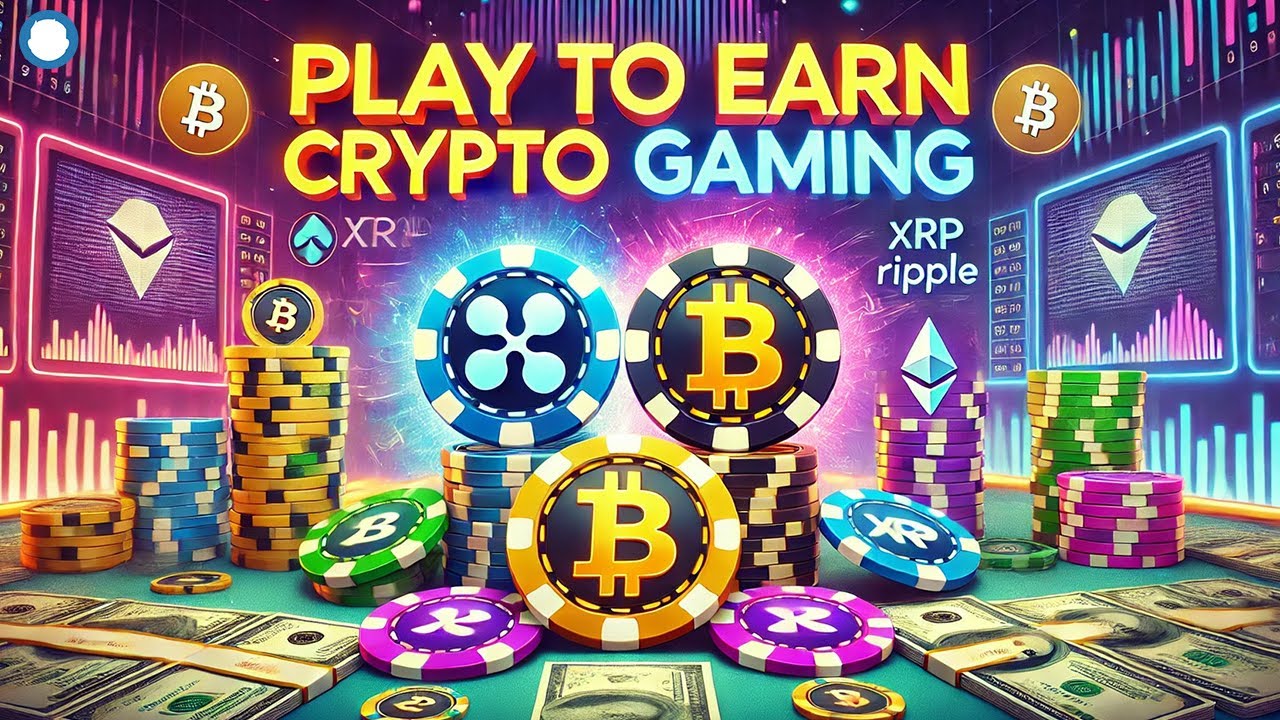
While many blockchain games focus on play-to-earn (P2E) or token economies, few have sustainable business models. Looking at the traditional gaming sector, games like CSGO (Counter-Strike: Global Offensive) have found great success through in-game economies. However, companies like Valve, the developers of CSGO, have little incentive to dive into Web3 gaming because they are already massively profitable.
Perhaps a model similar to Valorant by Riot Games, where in-game purchases are monetized without leaning heavily on blockchain features, could help these studios generate more sustainable revenue streams while gradually integrating blockchain elements.
4. Innovation Over Hype
The blockchain gaming space has often been plagued by hype-driven growth. Many games launch with significant buzz, only to fail in retaining daily active users (DAU). To thrive, studios must focus on solving the core challenges of user retention rather than relying on temporary trends or token-based incentives.
The key to long-term success is genuine engagement and sustainable growth, built on strong gameplay mechanics rather than inflated numbers that merely attract investor attention.
5. Building Engaging and Fun Games
Perhaps the most straightforward solution to blockchain gaming’s woes is to simply build fun and engaging games. No matter how advanced the underlying technology is, if the game isn’t enjoyable, it won’t attract or retain players.
Currently, there’s a noticeable gap between Web3 games and the high-quality, engaging gameplay found in traditional games. Closing this gap will be critical if blockchain games are to capture a meaningful share of the market.
6. Overcoming the Negative Perception of Crypto
Unfortunately, crypto often comes with a negative connotation due to the numerous scams and fraud cases that have emerged over the years. This has made it even harder to attract new users to blockchain games.
The best way to overcome this perception is to create a fantastic product—in this case, a high-quality game that appeals to both traditional gamers and crypto enthusiasts alike. A well-made game that stands out for its gameplay and community will be far more effective in changing perceptions than any marketing campaign.
Final Thoughts: The Future of Blockchain Games
While blockchain gaming holds tremendous potential, it is clear that the industry must overcome significant challenges to thrive. By improving user experience, developing sustainable business models, and focusing on innovative gameplay, Web3 studios can unlock new opportunities in the gaming world.
However, success won’t come from riding the next trend—it will require a commitment to solving these challenges and delivering value through high-quality games. In the end, the best way for blockchain games to achieve widespread adoption is by creating a product that people truly enjoy playing.