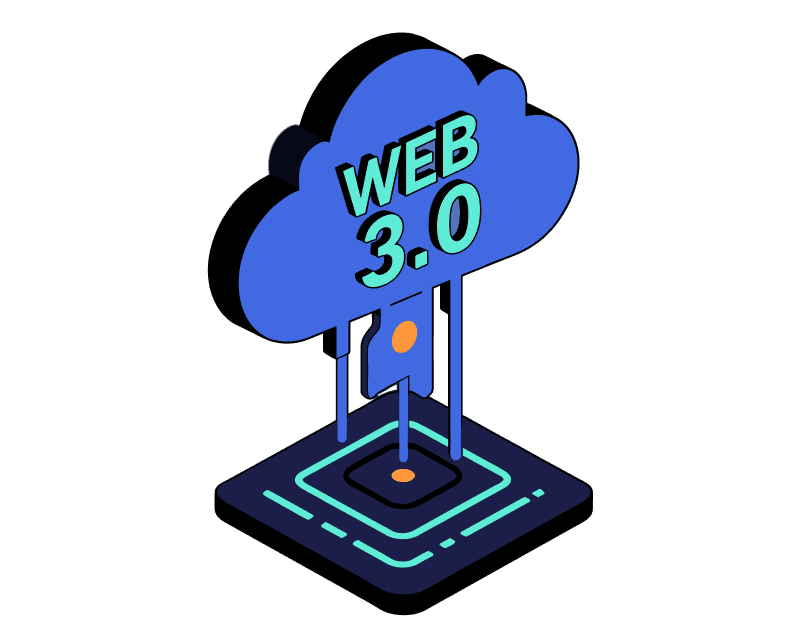
Web3 represents a paradigm shift in how we interact with the internet. It moves away from centralized platforms and empowers users with ownership and control over their data and digital assets. Built on blockchain technology, cryptocurrencies, and decentralized applications (dApps), Web3 promises a more transparent, secure, and user-centric online experience.
Web3: Redefining the Internet
Web3 signifies a fundamental change in how the internet works, shifting from centralized platforms controlled by big tech companies to a more decentralized and user-centric model. This new iteration of the internet is built on blockchain technology, the same technology that powers cryptocurrencies like Bitcoin and Ethereum. It aims to empower users with greater ownership and control over their data, digital assets, and online identities.
The Evolution of the Web: From Web1 to Web3
To understand Web3, let’s look at how the internet has evolved:
- Web1 (Early Internet): Primarily static websites with limited user interaction. Think of it as the read-only web.
- Web2 (Current Internet): Interactive platforms and social media, but controlled by centralized entities. This is the read-write web, where users can create and share content, but their data is often owned and controlled by large corporations.
- Web3 (Decentralized Internet): Empowering users with ownership and control, built on blockchain and decentralized technologies. This is the read-write-own web, where users have greater control over their data and digital assets.
Web2 vs. Web3: A Paradigm Shift
Web2, the current iteration of the internet, is characterized by centralized platforms like Facebook, Google, and Amazon controlling user data and online experiences. Web3 aims to dismantle this centralized model, empowering users with ownership and control.
Here’s a comparison:
FeatureWeb2Web3ControlCentralized platformsDecentralized, user-ownedData OwnershipPlatforms own and monetize user dataUsers own and control their dataApplicationsCentralized applicationsDecentralized applications (dApps)IdentityPlatform-controlled accountsSelf-sovereign, decentralized identitiesCurrencyFiat currenciesCryptocurrenciesInfrastructureCentralized serversBlockchain, peer-to-peer networksFeatureControlWeb2Centralized platformsWeb3Decentralized, user-ownedFeatureData OwnershipWeb2Platforms own and monetize user dataWeb3Users own and control their dataFeatureApplicationsWeb2Centralized applicationsWeb3Decentralized applications (dApps)FeatureIdentityWeb2Platform-controlled accountsWeb3Self-sovereign, decentralized identitiesFeatureCurrencyWeb2Fiat currenciesWeb3CryptocurrenciesFeatureInfrastructureWeb2Centralized serversWeb3Blockchain, peer-to-peer networks
Key Features and Components of Web3
Web3 combines several key technologies and concepts:
- Decentralization: Web3 distributes control across a network, reducing reliance on centralized platforms.
- Blockchain Technology: Provides a secure and transparent foundation for transactions and data management.
- Cryptocurrencies and Digital Assets: Enable new forms of ownership, value transfer, and economic models.
- Decentralized Applications (dApps): Applications built on blockchain, offering transparency and user control.
- Smart Contracts: Self-executing contracts that automate agreements and transactions.
- Crypto Wallets: Tools for managing cryptocurrencies and digital assets.
- Decentralized Autonomous Organizations (DAOs): Community-governed organizations that manage projects and resources.
- Non-Fungible Tokens (NFTs): Unique digital assets that represent ownership of digital or physical items.
- Decentralized Exchanges (DEXs): Platforms for trading cryptocurrencies without intermediaries.
- The Metaverse: Immersive digital worlds where users can interact and own virtual assets.
The Potential and Challenges of Web3
Web3 has the potential to reshape various aspects of our online lives:
- Data Privacy and Security: Users regain control over their data, reducing reliance on centralized platforms that collect and monetize personal information.
- Censorship Resistance: Decentralized platforms are more resistant to censorship by governments or corporations.
- Economic Empowerment: Cryptocurrencies and DeFi enable new economic models and opportunities for creators and users.
- Innovation and Creativity: Web3 fosters innovation by empowering developers and creators with greater control and ownership.
However, Web3 also faces challenges:
- Scalability: blockchain technology needs to scale to handle the growing number of users and transactions.
- Usability: Web3 applications can be complex and difficult for non-technical users to understand and use.
- Regulation: The regulatory landscape for Web3 is still evolving, creating uncertainty for developers and investors.
- Security: Ensuring the security of smart contracts and user wallets.
- Interoperability: Enabling seamless communication and data transfer between different blockchains.
- Centralization Concerns: Some critics argue that Web3 is not as decentralized as it claims to be, with certain entities still holding significant influence.
The Future of Web3 and Getting Started
Web3 is still in its early stages of development, but its potential to transform the internet is undeniable. As the technology matures and adoption grows, we can expect to see more innovative and user-centric applications emerge. The future of Web3 will likely be shaped by technological advancements, increased adoption, and regulatory clarity.
If you’re interested in exploring Web3, here are some steps to get started:
- Learn the Basics: Familiarize yourself with blockchain technology, cryptocurrencies, and DeFi.
- Get a Crypto Wallet: Set up a crypto wallet to manage your digital assets.
- Explore dApps: Try out different dApps and explore the various use cases of Web3.
- Join the Community: Engage with the Web3 community through online forums, social media, and events.
Conclusion
Web3 represents a paradigm shift in how we interact with the internet, empowering users with ownership and control. While challenges remain, its potential to create a more decentralized, transparent, and user-centric online experience is immense. As the technology continues to evolve, Web3 is poised to reshape the future of the internet.