Smart trading decisions rely on analyzing market trends, asset valuation, and investor behavior. Three key approaches are fundamental, technical, and sentimental analysis. This article explores these methods, explaining their principles, applications, and how combining them can lead to more informed trading.
Trade Bitcoin and other cryptocurrencies with the self-custody Bitcoin.com Wallet app.
Fundamental, Technical, and Sentimental Analysis: A Trader’s Toolkit
Making informed trading decisions requires understanding market trends, asset valuation, and investor psychology. Traders rely on three core analytical approaches: fundamental analysis, technical analysis, and sentimental analysis. This article breaks down these methods, providing real-world examples and showing how combining them can offer a comprehensive market perspective.
Understanding these analytical tools equips traders with the knowledge to navigate market fluctuations and refine their trading strategies.
Get started with a quick introduction to Bitcoin and cryptocurrencies.
Fundamental Analysis: Assessing Intrinsic Value
Fundamental analysis evaluates an asset’s intrinsic value by examining economic, financial, and market factors. It helps determine whether an asset is overvalued or undervalued and is widely used in both traditional finance (stocks, bonds) and the maturing cryptocurrency market.
Key Factors in Fundamental Analysis
Traditional Markets:
- Financial statements: Revenue, expenses, and profits
- Industry trends: Competitive landscape and market positioning
- Economic indicators: GDP growth, inflation, and interest rates
Cryptocurrency Markets
- Project Whitepaper & Team Expertise: Learn about Bitcoin’s foundation
- Adoption & Market Position: Measured by Bitcoin dominance
- Tokenomics: Supply, distribution, and utility, explored in What is a Token?
- Bitcoin’s Value: Understand its role as a store of value.
Applying Fundamental Analysis to Bitcoin
Unlike traditional assets, Bitcoin does not have financial statements. Instead, its fundamental analysis relies on:
- Network Adoption: Growth in users, transactions, and active addresses
- Technology & Upgrades: Innovation, including the Lightning Network and Layer-2 Solutions
- Regulation: Government policies and their effect on Bitcoin, explored in Bitcoin Governance
- Supply & Demand: Scarcity, halving cycles, and market demand
Example Application:
Analyzing Bitcoin’s Lightning Network adoption can help assess its potential for scalability and long-term value appreciation in the evolving crypto ecosystem.
By combining these factors, fundamental analysis offers a broader perspective on Bitcoin’s market position and future potential.
Technical Analysis: Decoding Price Patterns
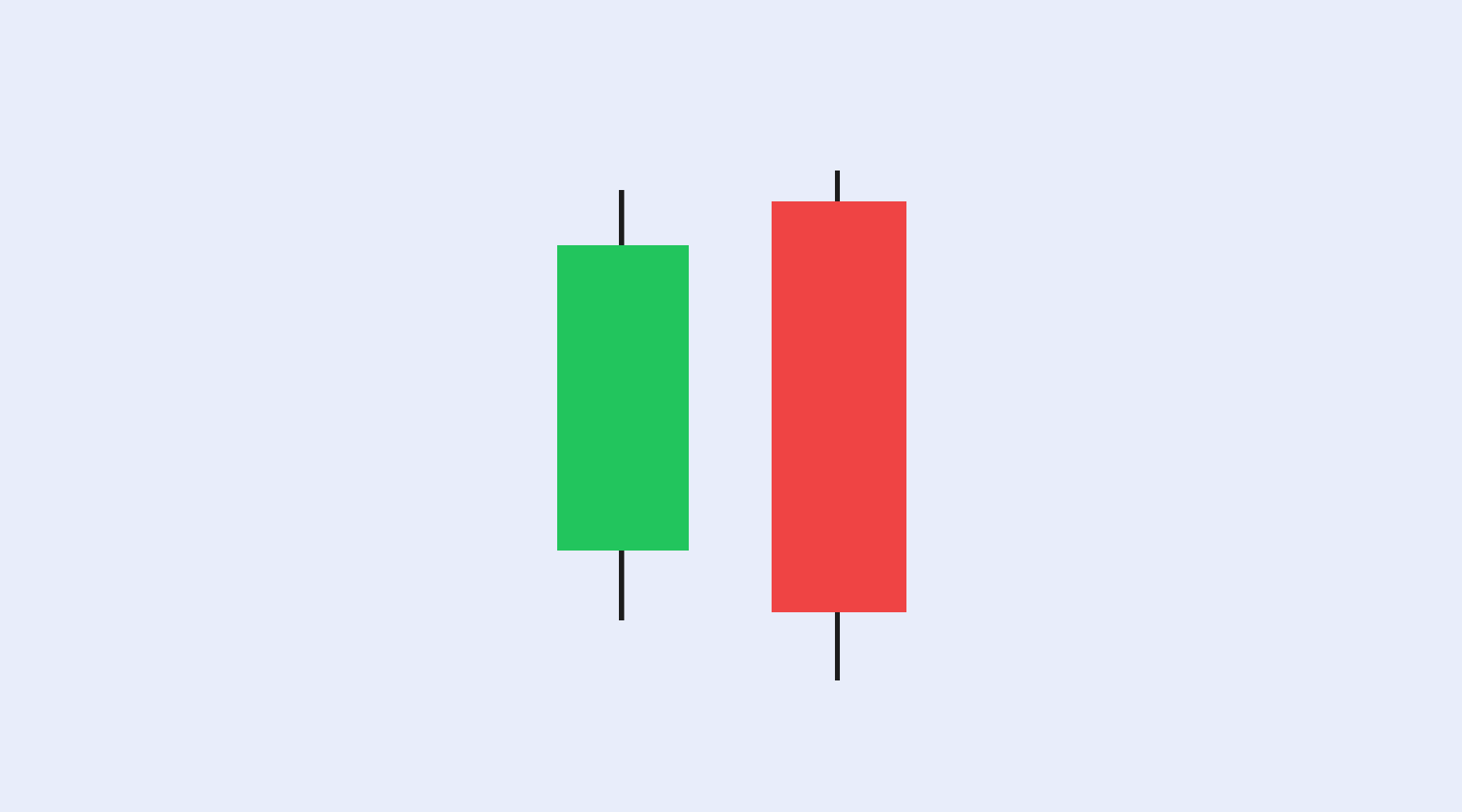
Technical analysis uses historical price and volume data to predict future price movements. By analyzing charts, patterns, and indicators, traders can identify trends and potential trading opportunities.
Key Tools in Technical Analysis
- Chart Patterns: Identify formations like head and shoulders, triangles, and flags that signal possible trend reversals or continuations.
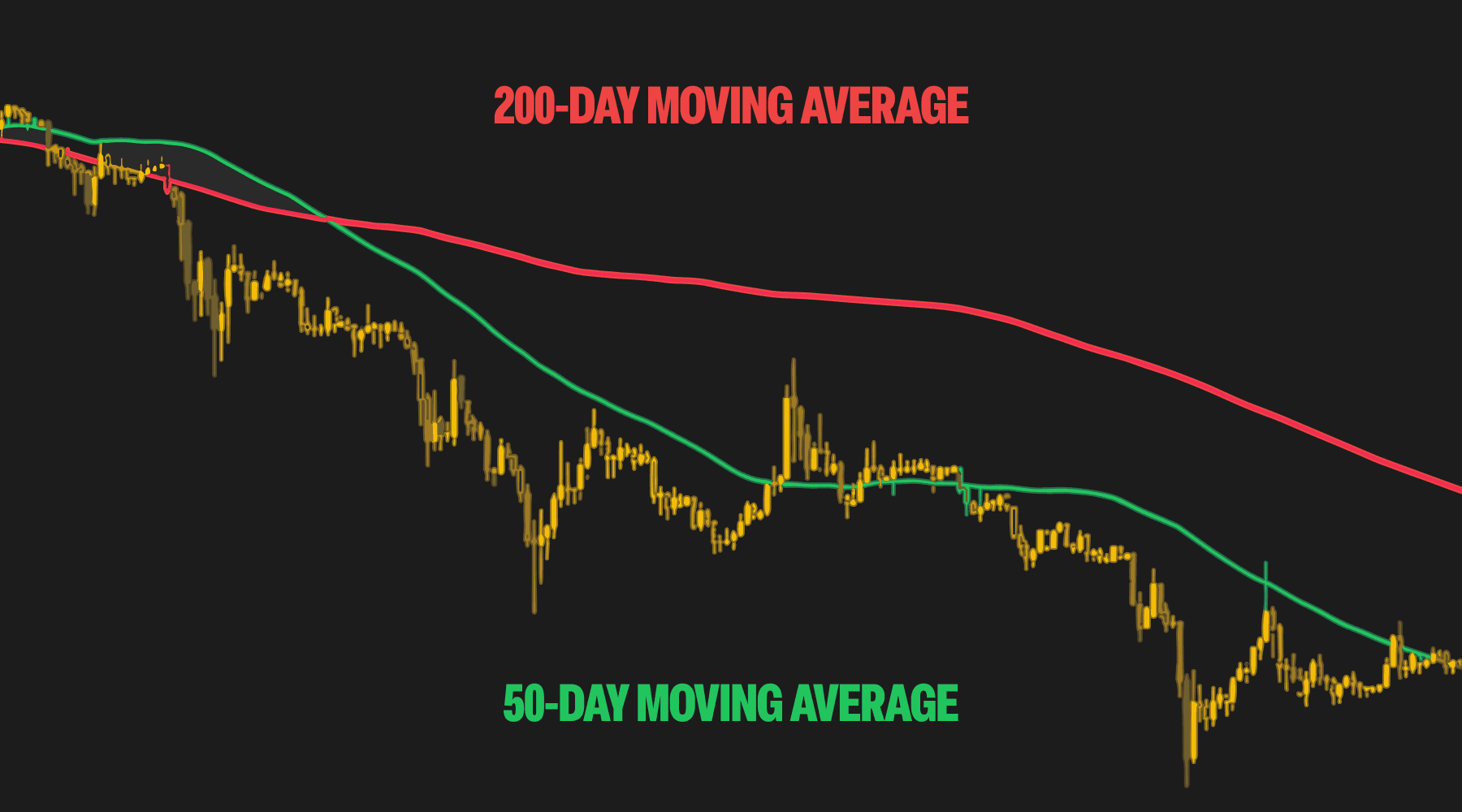
- Indicators: Use tools like moving averages, RSI, MACD, and Bollinger Bands to gauge momentum and market trends.
- Support & Resistance Levels: Recognize price zones where buying or selling pressure is strong, helping predict price movements.
- Trading Volume: Confirm trends and identify breakouts.
- Timeframes: Analyze price action across different timeframes (minutes, hours, days, weeks) to adjust strategies for short-term and long-term trading.
Example Application:
A trader identifies a head and shoulders pattern on a Bitcoin chart, suggesting a potential price drop. Before selling, they confirm the signal using RSI or MACD, ensuring better decision-making.
By leveraging these technical tools, traders can make more data-driven trading decisions and anticipate market movements effectively.
Sentimental Analysis: Gauging Market Psychology
Sentimental analysis evaluates investor emotions and market sentiment to predict price movements. It involves analyzing news, social media, and other sources to understand the overall mood of traders and investors.
Sources of Sentiment Data
- Social Media: Tracking discussions, trends, and mentions across platforms like X (Twitter), Reddit, and Telegram.
- News & Media: Analyzing headlines, articles, and expert opinions that influence public perception.
- Surveys & Polls: Gathering data on investor expectations and market confidence.
- Fear & Greed Index: Measuring overall market psychology-whether traders are overly optimistic (greedy) or fearful.
- Whale Activity: Monitoring large Bitcoin holders and their trades for potential market moves.
Example Application:
A trader notices a surge in positive social media mentions about a particular NFT project, signaling increased bullish sentiment. This may indicate a potential price increase due to growing investor interest.
By incorporating sentimental analysis, traders can anticipate market shifts and gain an edge in crypto trading.
Combining the Three Approaches: A Holistic View
Integrating fundamental, technical, and sentimental analysis provides a comprehensive market perspective, allowing traders to make better-informed decisions.
How to Combine These Approaches:
- Confirming Trends: Fundamental analysis identifies undervalued assets, technical analysis confirms a bullish trend, and sentiment analysis gauges market optimism.
- Identifying Reversals: Declining fundamentals, bearish technical indicators, and negative sentiment can signal potential price drops or reversals.
Trading Platforms and Tools:
- TradingView: Advanced charting, indicators, and market data for technical analysis.
- CoinMarketCap / CoinGecko: Real-time crypto prices, market cap, and historical data for fundamental analysis.
- Social Media Monitoring Tools: Track mentions and trends for sentiment analysis.
- News Aggregators: Get curated news and expert analysis to stay updated on market events.
Conclusion: Informed Trading with a Multifaceted Approach
Fundamental, technical, and sentimental analysis are valuable tools for understanding the market. By combining these approaches, traders gain a comprehensive perspective, leading to more informed trading decisions. However, it’s important to remember that trading involves risk. Always conduct your own research and consider consulting a financial advisor before making any investment decisions.
Make sure to safeguard your digital assets. Learn how to buy and sell Bitcoin and crypto and understand the importance of self-custody for greater control.