Russia Returns to Barter Trade to Counter Crippling Western Sanctions
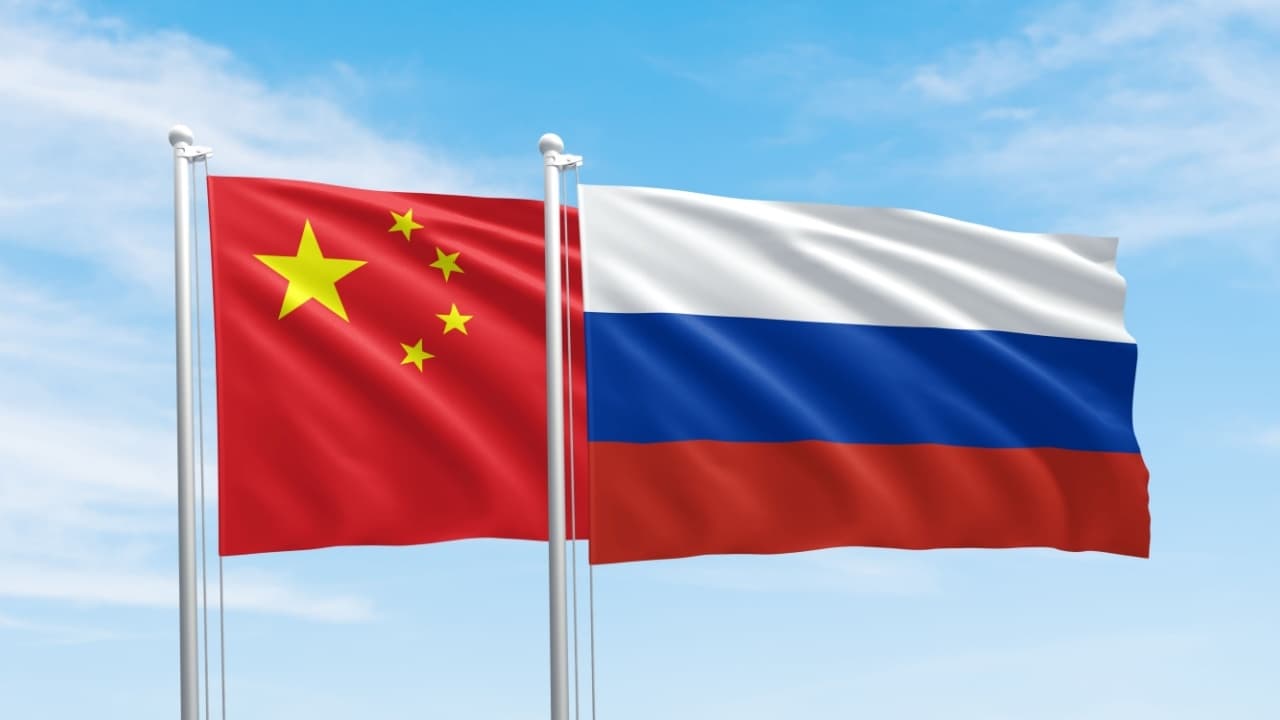
Russia, one of the most sanctioned economies in the world, has returned to barter trade in some of its exchanges with China, using this practice as a solution for secondary sanctions for payment agents.
Some Russian companies are using the most basic payment method, which leaves no banks or intermediaries open to suffering unilateral sanctions. Since the start of the Russo-Ukrainian conflict, several Chinese companies and banks have been included in sanctions packages for allegedly collaborating with the Russian war effort.
Reuters identified eight barter operations using statements of customs services and company statements, and sources declared that, while still relatively rare, the practice was becoming more common.
In one of these transactions, the companies traded cars for wheat, with the Chinese party providing the vehicles and specifically requesting Russian grain in exchange. In another one, Russian flax seeds were traded in-kind for Chinese appliances and building materials.
Returning to barter trade signals that economic agents will adapt to the growing number of sanctions affecting not only Russia but also its main economic partners.
Sergey Putyatinsky, IT operations vice-president at BCS, explained that there is still no one-size-fits-all solution for the settlements issue. “Small businesses are actively using crypto. Some transport cash, some work through offsets, some diversify accounts with different banks,” he declared.
India is currently facing 50% tariffs as the Trump administration considers that its recurring purchases of Russian oil directly support the Russian economy in its current conflict. Trump has also proposed issuing new major sanctions if NATO countries stop purchasing Russian crude.
Maxim Spassky, Secretary of the General Council of the Russian-Asian Union of Industrialists and Entrepreneurs, concluded that barter trade is expected to keep growing, as the factors pushing it are unlikely to disappear soon.