
The Solar Paradox
In a shift that seemed impossible only two years ago, South African state-owned power utility company, Eskom, is reportedly pursuing the exact demographic it once had to avoid: power-hungry, high-intensity energy consumers.
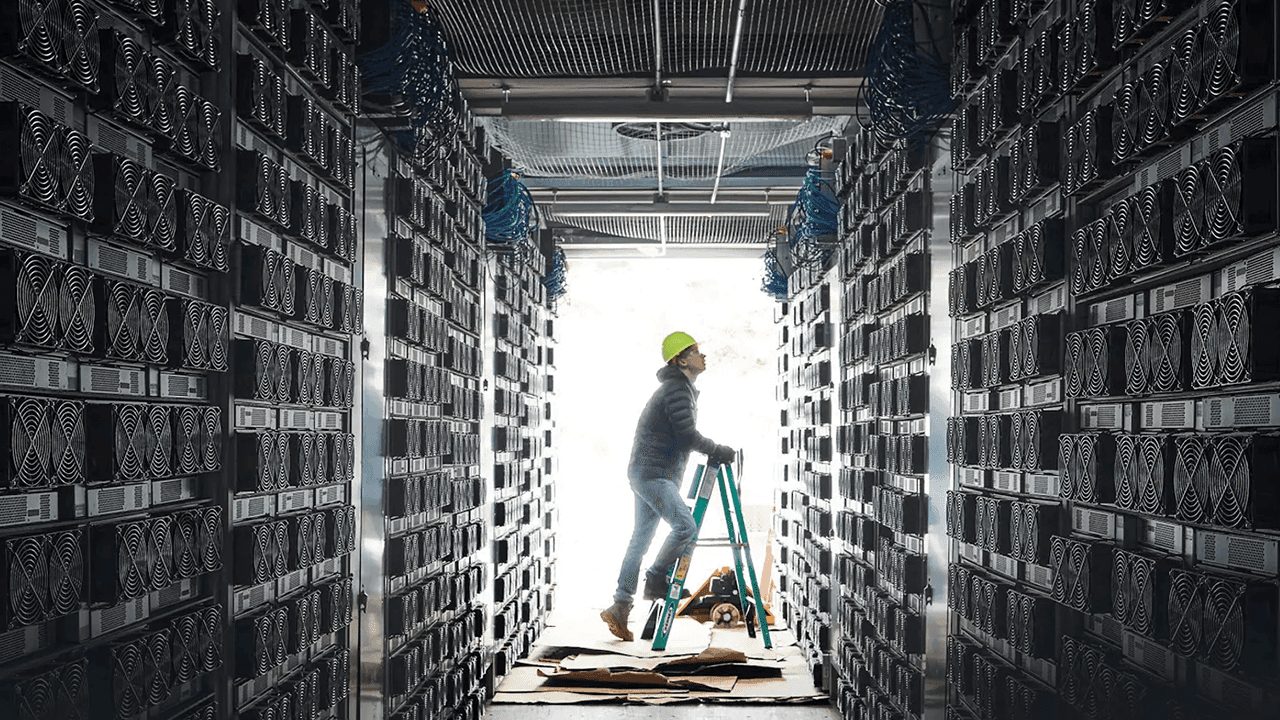
Speaking at a recent conference, Eskom Chairman Mteto Nyati reportedly revealed that the state-owned utility is planning to sell excess daytime electricity to bitcoin mining companies. The strategy represents a 180-degree turn for an entity that, for much of the last decade, was defined by chronic shortages and a crumbling national grid.
The catalyst for this creative pivot is an ironic byproduct of South Africa’s energy crisis. Years of unreliable power forced wealthy households and massive corporations to invest heavily in private solar photovoltaic (PV) installations. Now, as solar power kicks in during the day, Eskom is finding itself with a surplus of generation capacity during daylight hours—a period when demand used to be at its peak.
Nyati explained that there is a huge demand in the morning as people wake up and prepare for work, followed by a significant drop during the day as solar power takes over. To address this, he confirmed that Eskom will be selling that excess capacity to bitcoin mining companies in South Africa at a lower price.
The decision to embrace bitcoin mining is a significant shift in Eskom’s survival strategy. By offering electricity at a discount during off-peak daytime hours, Eskom hopes to monetize capacity that would otherwise go to waste. This strategy aligns with views shared by CEO Dan Marokane, who previously identified bitcoin mining, artificial intelligence, and data centers as the primary drivers of future growth.
Strategic Reform and Cost Reduction
The pivot is not just about finding new customers; it is about institutional survival. As the South African energy market opens up to competition, Eskom faces a potential downward spiral if the private sector is allowed to dominate the renewables market.
To prevent this, the board has mandated that Eskom must participate in and compete within the renewables sector while simultaneously improving service levels in distribution. A central pillar of this reform is a target to eliminate $6.05 billion (R112 billion) in costs over the next five years, which the utility hopes will lead to cheaper, more abundant energy for households and energy-intensive industries such as mining and smelters.
For a public that spent years planning their lives around rolling blackouts, known locally as load-shedding, the concept of “excess capacity” feels surreal. Nyati acknowledged that the idea of selling off extra power to bitcoin miners is something that might have previously seemed beyond their wildest dreams.
However, he cautioned against those hoping the utility would simply disappear. He argued that a strong, reformed Eskom is necessary to provide the reliable base load—supported by coal and nuclear stations—required to enable industrial growth and reindustrialization in South Africa.
FAQ ❓
- What is Eskom’s new approach to energy customers? Eskom plans to sell excess daytime electricity to bitcoin mining companies, targeting high-intensity energy consumers.
- Why is Eskom shifting its focus to bitcoin mining? The utility aims to monetize surplus electricity generated from increased solar power usage during the day.
- How does this impact South Africa’s energy sector? Eskom’s strategy is meant to enhance competition in the renewables market and prevent a decline in its market share.
- What are Eskom’s long-term goals with this pivot? The utility seeks to eliminate $6.05 billion in costs over five years, leading to more affordable energy for households and industries.