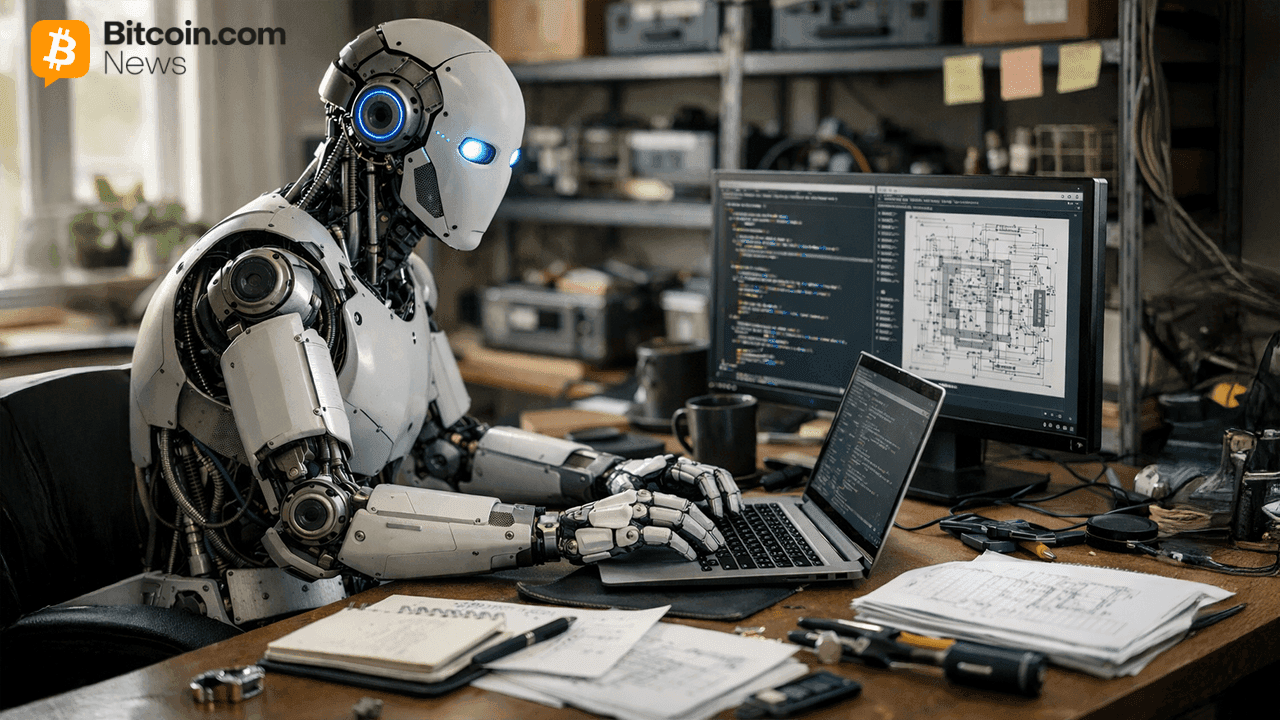

A Closer Look at the Unseen Synergy Between Bitcoin Mining Farms and AI Hosting Centers
Bitcoin mining—where transactions are verified and added to the blockchain—leans heavily on application-specific integrated circuits (ASICs). These chips are tailor-made to crunch complex math problems, helping miners snag bitcoin rewards. Humming away in large, power-hungry warehouses, often in locations with cheap energy, these ASICs work non-stop to maximize earnings.
On the flip side, HPC services and AI cloud centers harness more flexible hardware. They run on mighty graphics processing units (GPUs) and tensor processing units (TPUs) that can tackle a variety of tasks. While AMD and Intel are making moves in the AI GPU arena, Nvidia still holds the crown. Nvidia’s A100, RTX 4090, and RTX A6000 are the top three AI-focused GPUs leading the charge today.
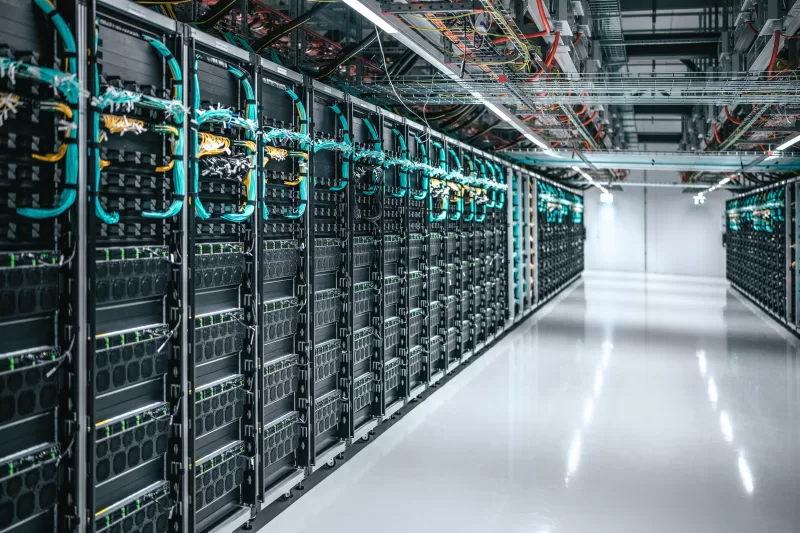
Unlike ASICs, which have a single purpose, GPUs and TPUs can be retooled for different AI projects, from training neural networks to running intricate simulations. Nvidia’s A100 is considered the gold standard for AI tasks, with its ampere architecture and Tensor Cores designed for AI speed boosts. Meanwhile, the Nvidia RTX A6000 strikes a solid balance between top-tier performance and cost.
Despite their differences, bitcoin (BTC) mining and AI data centers share several commonalities in terms of infrastructure and operational needs. That’s one reason these industries have begun to overlap. Both demand hefty power supplies, advanced cooling systems, and high-speed internet connections. These operations typically require strategic locations near reliable, low-cost energy sources.
The key distinction is in the flexibility of their hardware. ASICs are laser-focused on bitcoin mining and can only be repurposed for mining other altcoins, while AI datacenters can pivot to various computational tasks, making them more adaptable to changing market needs.
The final difference lies in their end goals. Bitcoin mining seeks to secure the cryptocurrency network and earn rewards, whereas AI data centers aim to push the limits of machine learning and deliver cloud-based AI services to businesses and researchers. While bitcoin miners grind through endless hashes to maintain the network, AI centers process and analyze vast swaths of data, spurring innovation across numerous industries.
Interestingly, some bitcoin mining companies are now dipping their toes into the HPC and AI services world. This move is fueled by the compatibility of their current infrastructure and the lure of new revenue opportunities. The recent Bitcoin halving event, which slashed mining rewards from 6.25 BTC to 3.125 BTC per block, has only sped up this shift as companies look to broaden their horizons.
The shift from cryptocurrency mining to AI services marks a natural progression for these data-driven industries. As the lines between various forms of computational work blur, we could see even more blending between these once-separate sectors down the road.
What are your thoughts on this subject? Let us know what you think in the comments section below.