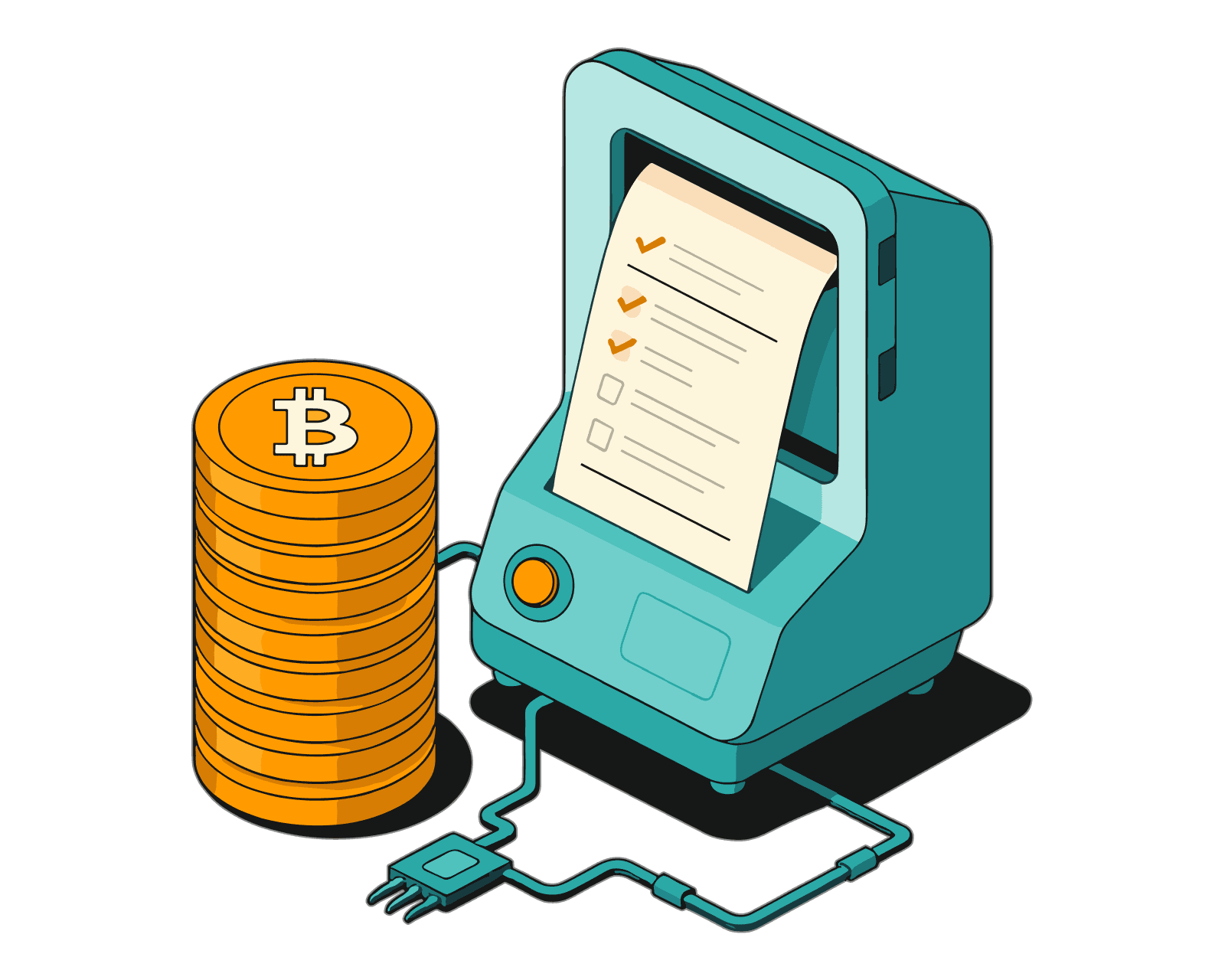

A Bitcoin node is a computer that runs the Bitcoin software and participates in the Bitcoin network. Nodes are essential for the functioning of Bitcoin, as they validate transactions, maintain the blockchain, and ensure the integrity of the network. They contribute to the decentralization, security, and reliability of the Bitcoin network.
Manage your Bitcoin securely with the self-custody Bitcoin.com Wallet app.
Bitcoin Nodes: The Foundation of the Network
A Bitcoin node is a computer running the Bitcoin software and participating in the Bitcoin network. These nodes are crucial for Bitcoin’s operation, acting as its backbone. They validate transactions, maintain the blockchain, and ensure the network’s integrity. This distributed network of nodes ensures that no single entity controls Bitcoin, making it resistant to censorship and single points of failure.
Why Are Bitcoin Nodes Important?
Bitcoin nodes are essential for several reasons:
- Decentralization: Nodes distribute control, preventing any single entity from controlling the network. This aligns with Bitcoin’s core philosophy of decentralization, empowering individuals and reducing reliance on intermediaries.
- Security: Nodes validate transactions, ensuring they adhere to the Bitcoin protocol and preventing double-spending and fraud. This validation process is crucial for maintaining the integrity of the blockchain and protecting users’ funds.
- Maintaining the Blockchain: Nodes store and update the blockchain, the record of all Bitcoin transactions.
- Reliability: The distributed network of nodes ensures that Bitcoin remains operational even if some nodes go offline. This redundancy makes Bitcoin a robust and reliable system.
- Consensus: Nodes work together to agree on the state of the blockchain, ensuring everyone has the same information. This consensus mechanism is essential for the proper functioning of Bitcoin.
Types of Bitcoin Nodes
There are different types of Bitcoin nodes, each with varying functions and resource requirements:
- Full Nodes: Store the entire blockchain and independently validate all transactions. They are crucial for network security and decentralization. Running a full node requires significant storage space and bandwidth.
- Lightweight Nodes (SPV Clients): Store only a portion of the blockchain (block headers) and rely on full nodes for transaction validation. They are more resource-efficient but less secure. These nodes download only the block headers, which contain summarized information about each block, and rely on full nodes for transaction details.
- Pruned Full Nodes: Store the entire blockchain but discard older blocks to save disk space. They offer a balance between security and resource efficiency. Similar to full nodes, pruned nodes validate transactions and enforce rules, but they store only a portion of the blockchain, reducing storage requirements.
- Mining Nodes: Full nodes that also participate in mining, creating new blocks and earning Bitcoin rewards. In addition to validating transactions, mining nodes participate in the process of adding new blocks to the blockchain.
- Lightning Network Nodes: Nodes that participate in the Lightning Network, enabling faster and cheaper off-chain transactions. These nodes participate in the Lightning Network, a layer-2 scaling solution built on top of Bitcoin.
How Bitcoin Nodes Work Together & How to Run One
Bitcoin nodes communicate with each other, sharing transaction and block information to maintain a consistent view of the blockchain. This peer-to-peer network ensures that all nodes have the same information and agree on the state of the ledger.
Running a Bitcoin node contributes to the network’s decentralization and enhances your own transaction verification capabilities. Here’s a simplified overview:
- Download Bitcoin Core: Download the Bitcoin Core software, the official Bitcoin client, from bitcoincore.org.
- Install and Sync: Install the software and allow it to synchronize with the Bitcoin blockchain. This process can take several days, depending on your internet connection and hardware.
- Configuration: Configure your node based on your needs and resources, such as setting up port forwarding for remote access.
Benefits and Challenges of Running Your Own Node
Running a Bitcoin node offers several advantages:
- Increased Security and Privacy: Verify transactions independently, reducing reliance on third parties.
- Support for the Network: Contribute to Bitcoin’s decentralization and resilience.
- Faster Transaction Verification: Verify transactions locally without relying on external services. Potentially faster transaction confirmations by broadcasting directly to the network.
- Lower Fees: Potentially lower fees by setting custom fees.
However, running a full node requires resources:
- Disk Space: Storing the entire blockchain requires significant disk space (hundreds of gigabytes).
- Bandwidth: Downloading and sharing blockchain data consumes bandwidth.
- Processing Power: Validating transactions requires some processing power. Some technical knowledge is needed for setup and maintenance. Initial synchronization with the blockchain can take time.
Lightweight nodes (SPV clients) require fewer resources but offer less security.
Choosing the Right Node Type and The Importance of Node Diversity
The best node type depends on your needs and resources.
- Full Node: For maximum security and supporting the network.
- Lightweight Node: For limited resources and basic functionality.
- Pruned Full Node: A balance between security and resource efficiency.
A diverse distribution of nodes geographically and across different network types is crucial for Bitcoin’s decentralization and resilience. This prevents any single entity or group from controlling the network.
Bitcoin Nodes and the Future of Bitcoin
As Bitcoin evolves, nodes will continue to play a vital role in maintaining its security, decentralization, and functionality. Ongoing developments, such as the implementation of Schnorr signatures and Taproot, are already improving efficiency and privacy. Future upgrades and innovations will continue to shape the landscape of Bitcoin nodes, ensuring the network’s long-term scalability, security, and decentralization. Bitcoin nodes are essential for validating and storing Bitcoin Ordinals inscriptions, contributing to the security and permanence of these unique digital assets. Sidechains, independent blockchains pegged to Bitcoin, often use a federation of nodes to manage the two-way peg.
Conclusion
Bitcoin nodes are the backbone of the Bitcoin network, ensuring its decentralization, security, and integrity. By understanding the different types of nodes and their functions, you can appreciate their crucial role in the Bitcoin ecosystem.