
The financial world is evolving, with Bitcoin challenging the dominance of traditional fiat currencies. This article explores the core differences between these two monetary systems, examining their implications for the future of finance.
Manage your Bitcoin and other cryptocurrencies securely with the self-custody Bitcoin.com Wallet app.
Bitcoin vs. Fiat: A Comparative Analysis for the Modern Investor
Bitcoin’s emergence has sparked a debate about the future of money. This article compares Bitcoin and fiat currencies, exploring their core differences and potential impact on finance.
What is Fiat Currency?
Fiat money is government-issued currency not tied to a physical commodity. Its value relies on government regulation and public trust. Most global currencies (USD, EUR, JPY) are fiat, managed by central banks controlling money supply.
What is Bitcoin?
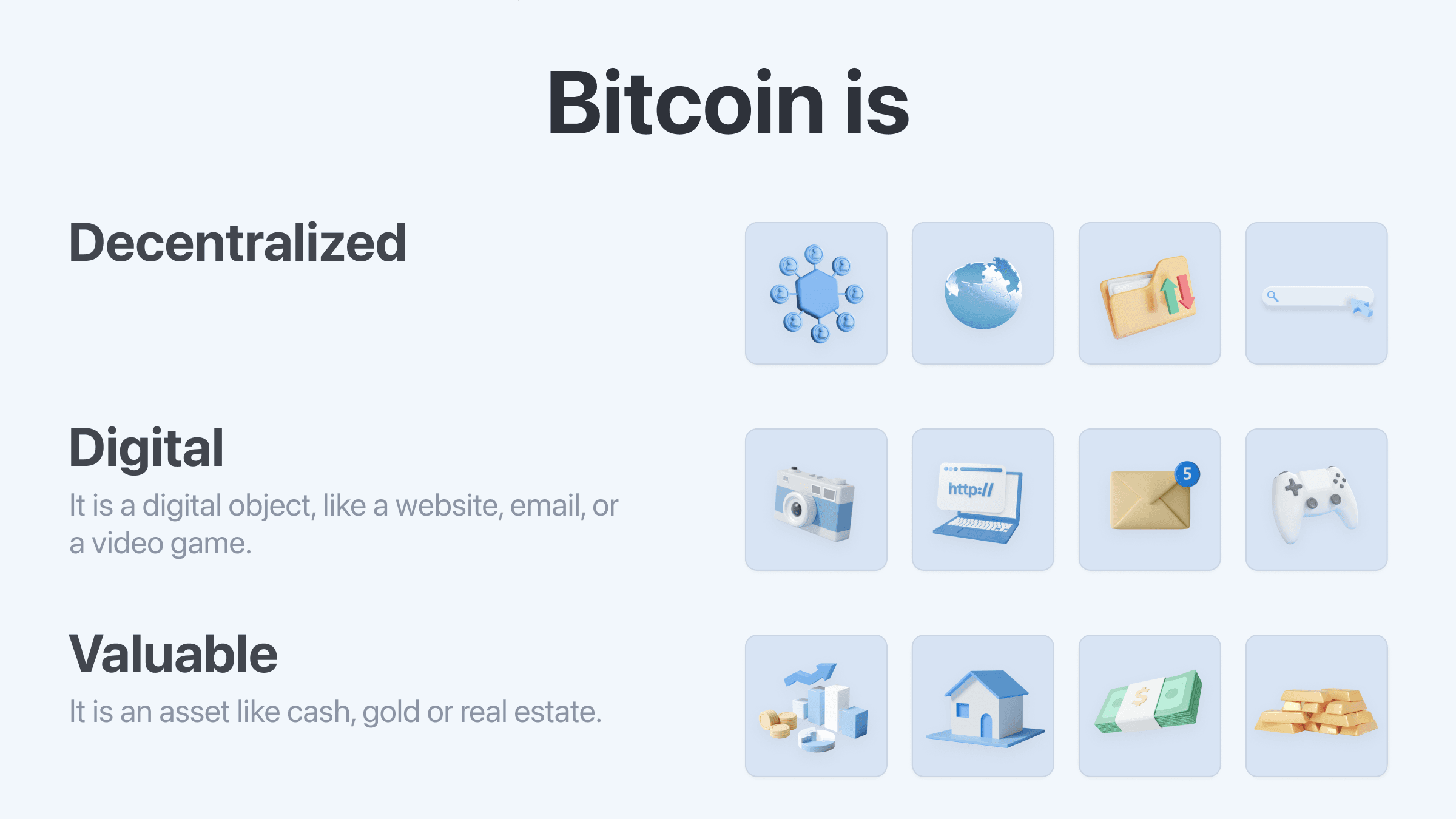
Bitcoin is a decentralized digital currency, independent of central banks. Cryptography secures transactions and controls new unit creation. Transactions are recorded on a public, distributed ledger (blockchain).
Key Differences: A Head-to-Head Comparison
FeatureBitcoinFiat CurrencyIssuanceDecentralized, by the networkCentralized, by central banksSupplyFixed at 21 million coinsUnlimited, subject to printingControlDistributed, no single entityCentralized, government-controlledTransparencyPublic, transparent blockchainOpaque, limited visibilityCensorshipResistant to censorshipSusceptible to censorshipTransaction FeesSet by users, paid to minersSet by intermediariesVolatilityHighRelatively lowSecurityCryptographic securityVulnerable to counterfeiting/fraudFeatureIssuanceBitcoinDecentralized, by the networkFiat CurrencyCentralized, by central banksFeatureSupplyBitcoinFixed at 21 million coinsFiat CurrencyUnlimited, subject to printingFeatureControlBitcoinDistributed, no single entityFiat CurrencyCentralized, government-controlledFeatureTransparencyBitcoinPublic, transparent blockchainFiat CurrencyOpaque, limited visibilityFeatureCensorshipBitcoinResistant to censorshipFiat CurrencySusceptible to censorshipFeatureTransaction FeesBitcoinSet by users, paid to minersFiat CurrencySet by intermediariesFeatureVolatilityBitcoinHighFiat CurrencyRelatively lowFeatureSecurityBitcoinCryptographic securityFiat CurrencyVulnerable to counterfeiting/fraud
Bitcoin’s Strengths and Weaknesses
Strengths:
- Decentralization: No single point of failure.
- Scarcity: Limited supply, potential hedge against inflation.
- Transparency: Verifiable transactions on the blockchain.
- Censorship Resistance: Transactions are difficult to block.
- Global Accessibility: Usable with an internet connection.
- Programmability: Enables smart contracts.
- Potentially Lower Transaction Fees: Especially for cross-border payments.
Weaknesses:
- Volatility: Significant price fluctuations.
- Scalability: Challenges handling large transaction volumes.
- Evolving Regulation: Regulatory landscape is still developing.
- Energy Consumption: Mining can be energy-intensive.
- Usability: Can be complex for new users.
- Security: Users must protect private keys.
Fiat’s Strengths and Weaknesses
Strengths:
- Relative Stability: Less volatile than Bitcoin short-term.
- Wide Acceptance: Used for everyday transactions.
- Government Backing: Supported by governments and central banks.
- Established Infrastructure: Integrated into existing financial systems.
Weaknesses:
- Inflation: Purchasing power can erode.
- Centralized Control: Risk of manipulation and censorship.
- Counterfeiting and Fraud: Vulnerabilities exist.
- Transaction Fees: Can be high, especially internationally.
- Counterparty Risk: Reliance on banks and financial institutions.
The Future of Money: Coexistence, Replacement, or Evolution?
The future likely involves a combination of Bitcoin and fiat. Bitcoin offers decentralization and a potential inflation hedge, while fiat has established infrastructure. Stablecoins could bridge the gap. Factors shaping the future include technological advancements, government regulations, user adoption, economic conditions, competition from altcoins, and the rise of Central Bank Digital Currencies (CBDCs).
Bitcoin’s Evolving Role in Finance
Bitcoin challenges traditional finance with its decentralized nature and fixed supply. Growing adoption and integration into financial systems suggest a significant future role.
Getting Started with Bitcoin
- Create a Wallet: Learn how to create a Bitcoin wallet.
- Buy Bitcoin: Learn how to buy Bitcoin and how to locate and use a Bitcoin ATM.
Conclusion
Bitcoin and fiat represent different approaches to money. Understanding their characteristics is crucial for navigating the evolving financial landscape. Bitcoin’s decentralized nature and potential as a store of value make it a compelling alternative.