Understanding market cycles is essential for long-term investing success. Bull and bear markets shape price movements, investor behavior, and risk across all asset classes. This guide explains how these cycles work, how to recognize them, and how to adapt your strategy across different market conditions – with a specific focus on Bitcoin and crypto markets.
Manage your Bitcoin and crypto securely with the self-custody Bitcoin.com Wallet app.

Bull Market vs. Bear Market: Navigating the Investment Landscape
Market cycles repeat, but investor mistakes often repeat even faster. Whether you’re investing in stocks, Bitcoin, or other digital assets, understanding the difference between bull and bear markets helps you manage risk, set realistic expectations, and avoid emotionally driven decisions.
This guide explains how bull and bear markets work, what typically drives each phase, and how Bitcoin has historically behaved across market cycles. The goal is not to predict the next move, but to help you respond more effectively when market conditions change.
Beyond Bitcoin, the crypto ecosystem includes altcoins, decentralized finance (DeFi), and blockchain technology, which together enable new financial systems and digital asset models.
What is a Bull Market?
A bull market is a prolonged period of rising asset prices, strong demand, and growing investor confidence. Bull markets often develop gradually as economic conditions improve, liquidity increases, and sentiment shifts from caution to optimism.
In crypto markets, bull phases tend to accelerate quickly once momentum builds. Rising prices attract attention, participation increases, and risk tolerance expands as investors begin to expect higher returns.
Common characteristics of a bull market include:
- Rising prices: Sustained upward trends across major assets.
- Investor optimism: Confidence increases as prior resistance levels are broken.
- High trading volume: Increased buying and selling activity, where trading volume often confirms the strength of market participation and price trends.
- Increased liquidity: Assets are easier to buy and sell with minimal price impact, as overall liquidity improves across the market, including Bitcoin liquidity.
- Positive media coverage: Market narratives shift toward growth and innovation.
- FOMO (Fear of Missing Out): New investors enter late-cycle, often driven by recent price performance.
- New project launches: Higher risk tolerance leads to more token sales and experimentation.
What investors often underestimate in bull markets is how quickly sentiment can reverse. As prices rise, leverage tends to increase, risk controls loosen, and expectations detach from fundamentals – especially near market peaks.
Historically, Bitcoin has experienced multiple bull markets. One of the most well-known occurred in 2020-2021, driven by institutional adoption, global monetary expansion, and growing recognition of Bitcoin as a scarce digital asset. More recently, on October 6, 2025, Bitcoin reached an all-time high of around $126,000, reflecting continued adoption and expanding market participation across cycles.
What is a Bear Market?
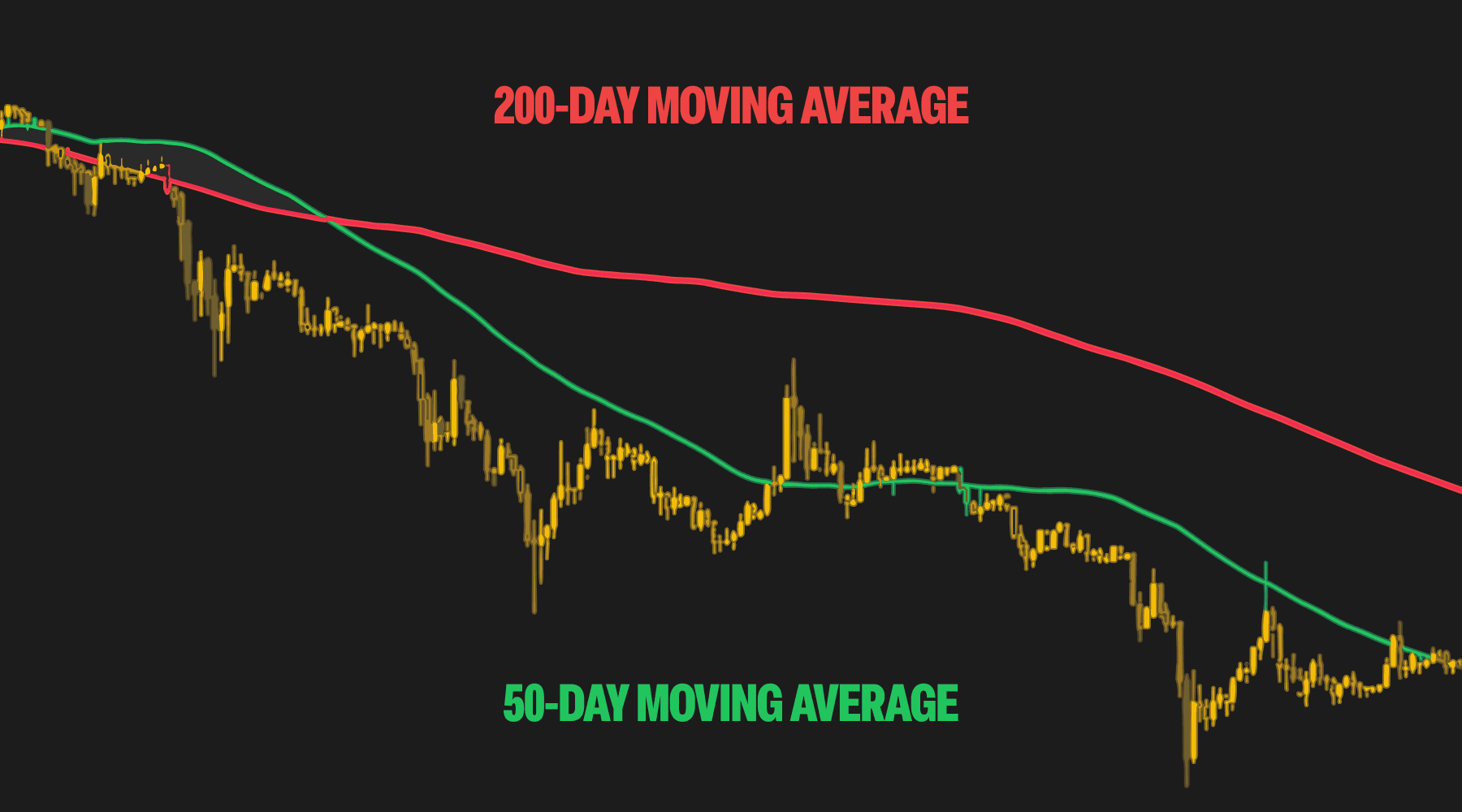
A bear market is a sustained period of declining prices, weakening demand, and declining investor confidence. Bear markets often follow periods of excess, where valuations, leverage, or expectations have moved too far ahead of underlying fundamentals.
In crypto markets, bear phases are often marked by sharp drawdowns, extended consolidation, and reduced public interest, reflecting the high market volatility common in emerging asset classes. Many participants exit entirely during these periods, even though some of the most important learning and accumulation opportunities occur during downturns.
Common characteristics of a bear market include:
- Falling prices: Prolonged downward trends across major assets.
- Investor pessimism: Confidence erodes as losses accumulate.
- Lower trading volume: Participation declines as attention shifts elsewhere.
- Reduced liquidity: Buying and selling large positions becomes more difficult.
- Negative media narratives: Coverage focuses on failures, risks, and losses.
- Fear-driven selling: Capitulation often occurs after prolonged declines.
- Project failures: Overleveraged or weak projects exit the market.
Bitcoin bear markets have historically been triggered by a combination of macroeconomic tightening, regulatory uncertainty, and natural market corrections following periods of rapid growth.
Bull vs. Bear Market: Key Differences
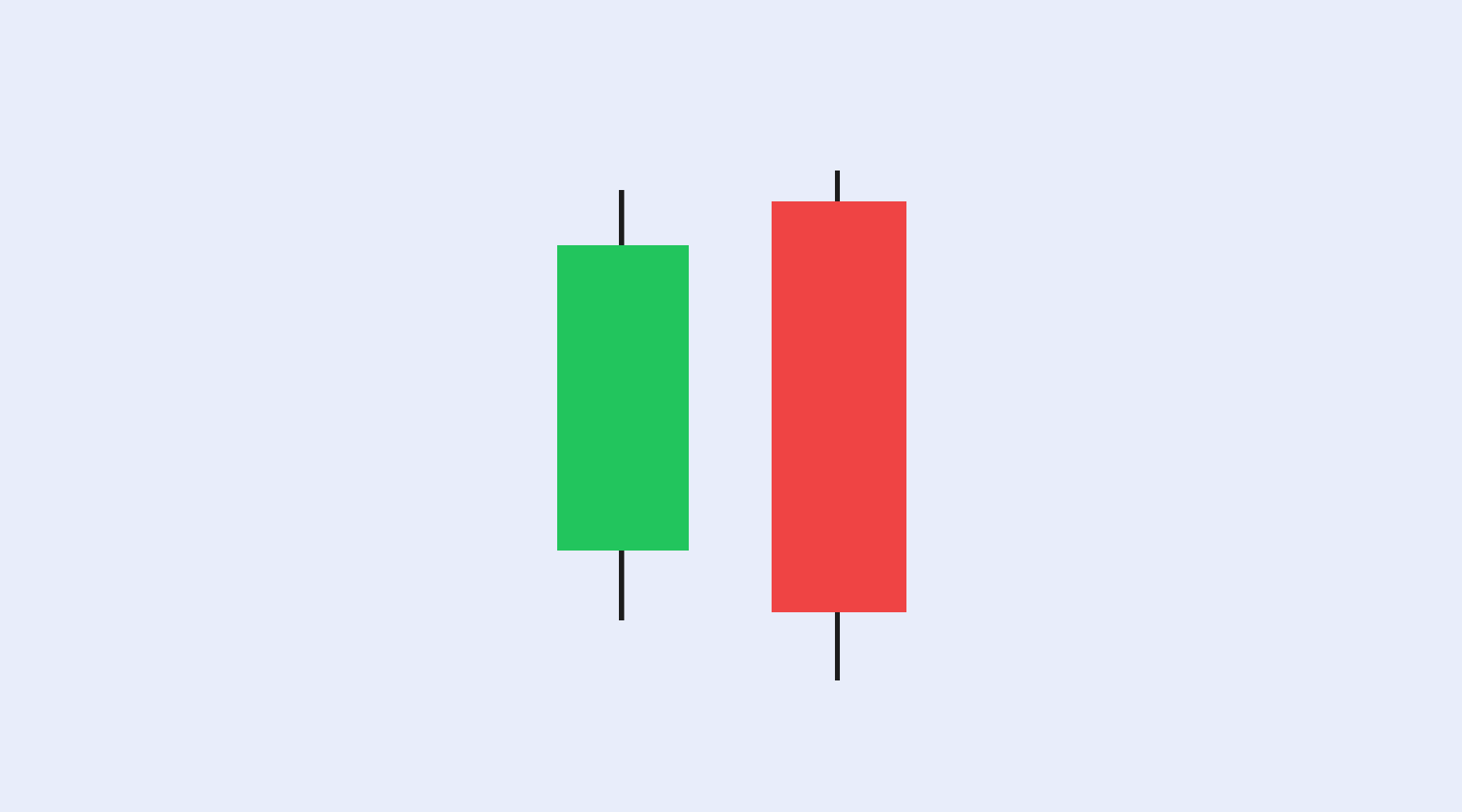
FeatureBull MarketBear MarketPrice TrendRisingFallingInvestor SentimentOptimisticPessimisticTrading VolumeHighLowLiquidityHighLowMarket MomentumStrongWeakCommon Investor MistakeOverconfidencePanic selling
Investment Strategies Across Market Cycles
No single strategy works in every environment. Successful investors adjust their approach based on market conditions, risk tolerance, and time horizon.
Bull market strategies often focus on managing upside risk rather than maximizing exposure:
- Ride established trends: Participate in momentum while monitoring signs of exhaustion.
- Take profits systematically: Gradually reduce exposure instead of attempting to time exact tops.
- Diversify exposure: Spread risk across assets and sectors, with Bitcoin increasingly viewed as a distinct asset class within a broader portfolio.
- Manage leverage carefully: Rising markets often mask risk until conditions change.
Bear market strategies prioritize capital preservation and long-term positioning:
- Dollar-cost averaging (DCA): A strategy that reduces timing risk by investing gradually at regular intervals, regardless of short-term price movements.
- Long-term holding: Avoid emotionally driven decisions during periods of low sentiment.
- Risk management first: Preserve capital before seeking returns.
- Advanced strategies: Short selling may be used by experienced traders, but carries significant risk.
Identifying Bull and Bear Markets
No indicator can definitively identify market cycles in real time. However, combining multiple signals can improve decision-making:
- Price action: Sustained higher highs or lower lows.
- Trading volume: High volume can confirm trend strength.
- Investor sentiment: Extreme optimism or pessimism often precedes reversals.
- Economic conditions: Inflation, interest rates, and GDP growth shape market conditions, with inflation often influencing investor demand for assets like Bitcoin as a potential inflation hedge.
- Technical analysis: Chart patterns help contextualize momentum.
- Fundamental analysis: Long-term value drivers provide context beyond price.
Rather than relying on any single metric, experienced investors combine technical and fundamental analysis with disciplined risk management, supported by a strong understanding of market psychology and chart structure.
Bitcoin and Market Cycles
Bitcoin follows market cycles, but its structure differs from traditional assets. It trades globally, operates 24/7, and is influenced by liquidity flows, adoption trends, and supply dynamics rather than earnings or dividends.
Key factors influencing Bitcoin’s cycles include:
- Halving cycles: Bitcoin’s issuance rate is cut roughly every four years through the Bitcoin halving, which has historically tightened supply. Some market frameworks emphasize halving mechanics, while others focus on broader liquidity-driven explanations of the four-year crypto cycle.
- Adoption trends: Institutional and retail participation expand and contract over time.
- Technology development: Scaling solutions like the Lightning Network, layer-2 solutions, sidechains, and Bitcoin Ordinals influence network utility.
- Regulatory shifts: Policy clarity or uncertainty impacts sentiment.
- Macroeconomic liquidity: Global capital conditions strongly affect risk assets, a dynamic explored in how liquidity, debt, and market cycles interact across financial systems.
Taken together, these factors have shaped Bitcoin’s long-term role as a distinct asset. Its fixed supply, evolving utility, and growing adoption have led many investors to view Bitcoin as a potential store of value, while ongoing comparisons with altcoins highlight how different networks respond to market cycles. Bitcoin’s broader impact, from its early origins to its role in today’s financial system, reflects how market structure and adoption continue to evolve over time.
Conclusion: Adapting to Market Dynamics
Bull and bear markets are not anomalies – they are fundamental features of investing. While prices fluctuate, disciplined decision-making, risk management, and education consistently separate long-term investors from short-term speculation.
By understanding how market cycles work and how Bitcoin historically behaves within them, you can reduce emotional decision-making and respond more deliberately to changing conditions.
Success in investing comes from continuous learning, strategic adaptation, and maintaining a disciplined approach – allowing you to navigate any market environment with greater confidence.