A Warning of ‘State Capture’
The Central African Republic is facing a “grave risk of state capture” by foreign criminal organizations through its aggressive adoption of opaque cryptocurrency schemes, according to a scathing report released on Dec. 17.
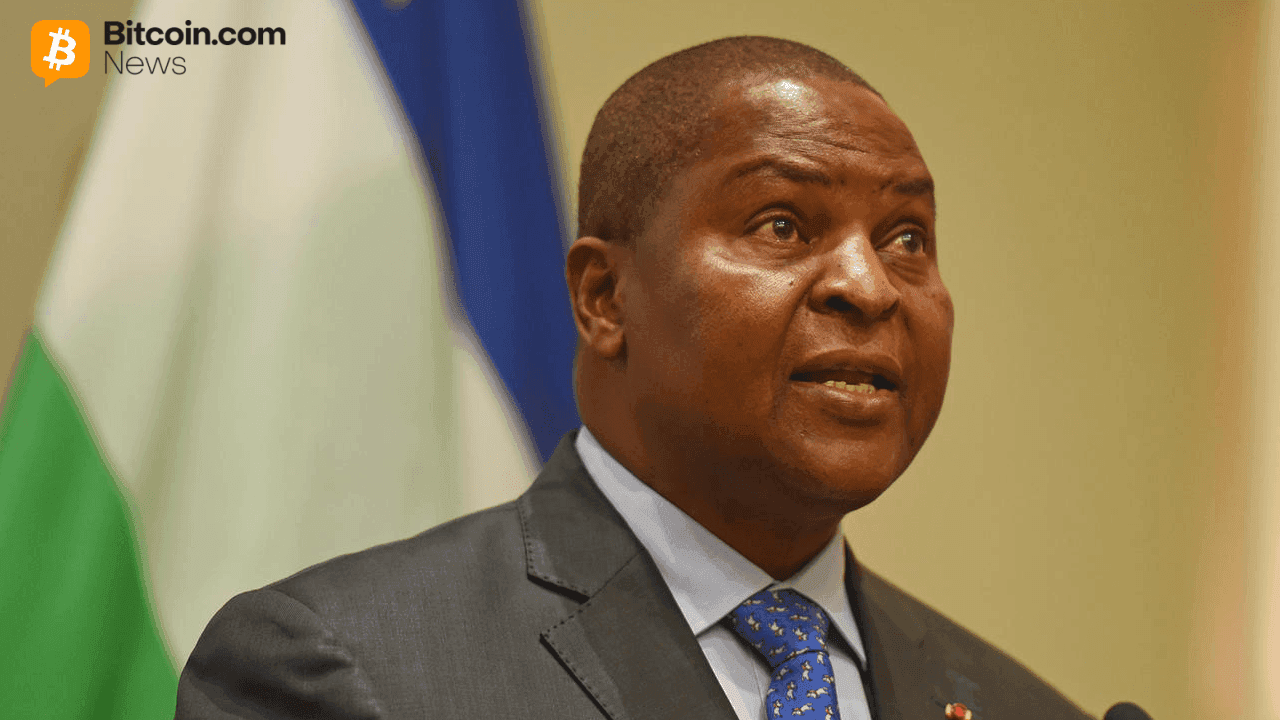
The findings from the Global Initiative Against Transnational Organized Crime (GI-TOC) come as President Faustin-Archange Touadéra seeks a third term in the Dec. 28 elections. Touadéra, who has championed digital assets as a path to prosperity for the landlocked nation, is accused in the report of “trading away the country’s sovereignty” to a small circle of insiders and shadow networks.
Since 2022, the Central African Republic (CAR) has pursued a series of crypto initiatives, starting with the adoption of bitcoin (BTC) as legal tender. However, Touadéra’s government eventually reversed the decision under pressure from the International Monetary Fund (IMF) and regional regulators.
The government subsequently pivoted to Sango Coin, a national cryptocurrency intended to fund a futuristic “Crypto City” and offer citizenship and land to foreign investors. However, GI-TOC reports that Sango Coin “flopped,” selling less than 10% of its target tokens. In early 2025, the government launched a second venture: a meme coin known as CAR.
Marketed as an experimental tool for national development, CAR has been used to tokenize approximately 1,700 hectares of land in Bosongo, near the capital city of Bangui. The report notes that these land sales — accessible on the Solana blockchain — lack transparency and have not been clearly channeled into the national budget.
Digital Dreams Meet Infrastructure Realities
Analysts and researchers cited in a Reuters report point to a stark divide between the government’s high-tech ambitions and the country’s physical infrastructure. With only 15.7% of the population connected to electricity and fewer than 40% holding mobile subscriptions, meaningful participation by the country’s 5.5 million citizens is virtually impossible.
“An impoverished population, exposed to mass executions and extreme insecurity, cannot engage in crypto investments in any meaningful way,” the report states. Instead, it argues these schemes are “tailored to the interests of foreign investors” and transnational criminal organizations looking for ways to launder money and bypass international sanctions.
The Bangui government has officially declined to comment on the report. However, a senior official, speaking on condition of anonymity, dismissed the findings as an effort to “discredit” the administration. The official defended the projects as necessary alternatives to the “monopoly of banks” and tightening international financial regulations.
As the election approaches, GI-TOC warns that plans to extend crypto-based tokenization to mineral concessions — including gold, diamonds and oil — could lead to the permanent loss of control over national resources. For a country that has seen decades of conflict and remains one of the poorest in the world, the report concludes that these blockchain ventures may be deepening elite control at the expense of the wider population.
FAQ 💡
- Why is the Central African Republic under scrutiny? A GI‑TOC report warns that CAR’s crypto projects pose a “grave risk of state capture” by foreign criminal networks.
- What crypto initiatives has CAR launched? The government has rolled out bitcoin, Sango Coin, and a new CAR meme coin tied to tokenized land sales.
- Why are these projects controversial locally? Critics say the schemes lack transparency and exclude most citizens due to limited electricity and mobile access.
- What risks do analysts highlight ahead of the election? Expanding tokenization to minerals like gold and diamonds could erode national control over key resources.