Chainlink is a decentralized oracle network that allows smart contracts on various blockchains to securely and reliably access real-world data, APIs, and traditional payment systems. This connection is essential for many smart contract applications, particularly in decentralized finance (DeFi), where real-time market data and off-chain events play a crucial role.
Use the multichain Bitcoin.com Wallet app, trusted by millions, to safely and easily explore the world of cryptocurrencies, dApps, and DeFi.
Chainlink: Connecting Smart Contracts to the Real World
Chainlink is a decentralized oracle network that bridges the gap between smart contracts and real-world data. It enables smart contracts to securely and reliably interact with off-chain information and systems, expanding their capabilities and unlocking a wide range of applications. This article provides a comprehensive overview of Chainlink, its functionality, use cases, and importance in the blockchain ecosystem.
The Oracle Problem: Why Chainlink is Necessary
Smart contracts, self-executing agreements written in code, operate within the confines of a blockchain. They can access on-chain data but cannot directly interact with off-chain information or systems. This limitation presents a challenge for many smart contract applications that require real-world data, such as financial market prices, weather information, or supply chain data.
For example, a decentralized finance (DeFi) lending platform needs access to real-time market data to determine collateralization ratios and manage risk. Similarly, a smart contract for insurance payouts needs a way to verify the occurrence of real-world events, such as flight delays or natural disasters.
How Chainlink Works: A Decentralized Solution
Chainlink solves this problem by providing a decentralized network of oracles that act as intermediaries between smart contracts and off-chain data sources. Here’s a simplified breakdown of the process:
- Request: A smart contract requests specific data through a Chainlink “request contract.”
- Selection: Chainlink’s network selects multiple independent oracles to fulfill the request, incentivized by LINK tokens and a staking mechanism.
- Retrieval: Selected oracles retrieve the requested data from designated off-chain sources using APIs or other methods.
- Aggregation: Retrieved data is aggregated and validated by multiple Chainlink nodes to ensure accuracy and reliability.
- Delivery: Validated data is delivered back to the requesting smart contract, triggering its execution based on the received information.
This decentralized approach enhances security and reliability by mitigating the risk of single points of failure or manipulation.
The LINK Token: Fueling the Chainlink Ecosystem
LINK, an ERC-677 token (a variation of ERC-20), is the native cryptocurrency of the Chainlink network. It incentivizes node operators for their services and plays a crucial role in network security and governance.
Chainlink Use Cases: Transforming Industries
Chainlink’s ability to connect smart contracts to real-world data has a wide range of applications across various industries:
- DeFi: Providing price feeds, interest rates, and other market data to DeFi protocols, enabling complex and automated financial instruments.
- Insurance: Triggering automated insurance payouts based on real-world events.
- Supply Chain: Tracking goods and verifying authenticity throughout the supply chain for increased transparency and efficiency.
- Gaming and NFTs: Integrating real-world data into games and NFT marketplaces for dynamic and interactive experiences.
- Decentralized Governance (DAOs): Enabling secure and transparent voting systems based on real-world events or data.
Chainlink’s Impact and Future Potential
Chainlink has become a vital part of the blockchain ecosystem, enabling the development of more sophisticated and real-world connected smart contracts. Its decentralized architecture, security focus, and flexible connectivity position it as a key driver of innovation in the blockchain space. As blockchain technology and smart contract adoption continue to grow, Chainlink’s role in bridging the gap between on-chain and off-chain worlds will likely become even more critical.
Getting Started with Chainlink
- Official Website: Visit the official Chainlink website: chain.link
- Explore dApps: Discover dApps and DeFi platforms utilizing Chainlink oracles.
- Manage LINK: Securely store and manage your LINK tokens using a self-custody wallet like the Bitcoin.com Wallet app.
Conclusion
Chainlink’s decentralized oracle network is revolutionizing how smart contracts interact with the real world. By providing secure and reliable access to off-chain data, Chainlink empowers developers to build more robust and impactful dApps, transforming industries and shaping the future of decentralized technology.
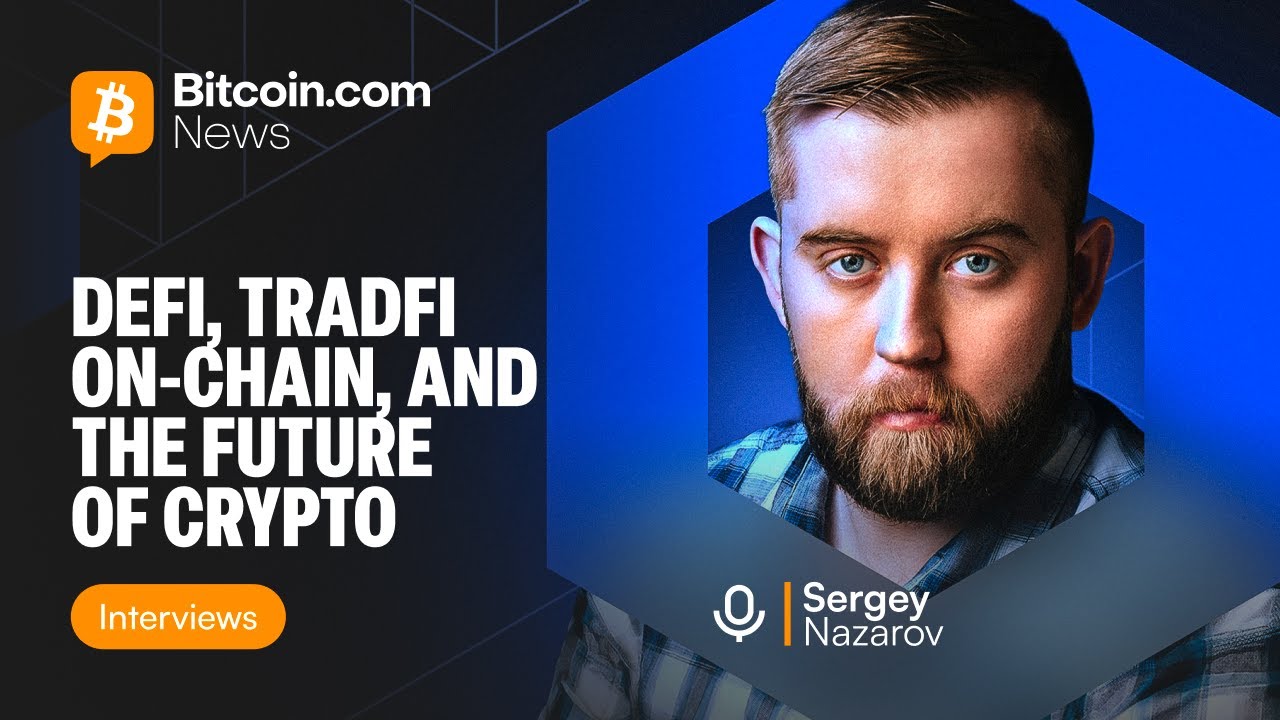
Interview with Chainlink Co-Founder Sergey Nazarov
Bitcoin.com recently spoke with Sergey Nazarov, co-founder of Chainlink, about the expanding role of decentralized infrastructure in connecting crypto markets with traditional finance.
In the interview, Nazarov discusses the importance of cross-chain DeFi, the function of oracles in enabling secure onchain applications, and why much of the global financial system has yet to be built on blockchain rails. He also explains why major institutions such as JPMorgan, Fidelity, and UBS are increasingly moving onchain, and what this shift could mean for the future of decentralized and traditional financial integration.