Spot vs. Futures: Navigating the Crypto ETF Landscape
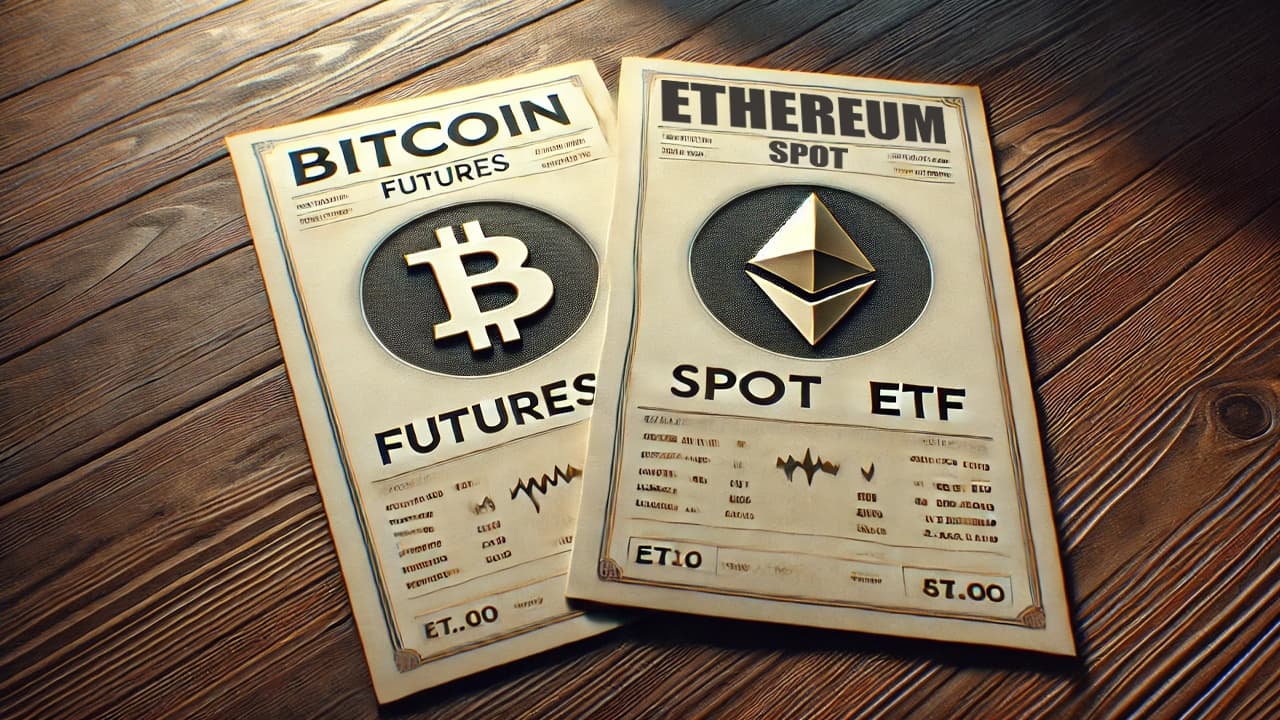
In the realm of traditional finance (tradefi), a spot crypto ETF directly holds the underlying cryptocurrency, such as bitcoin or ether, allowing investors to buy shares that correspond to ownership of the digital asset. This setup mirrors the live price of the cryptocurrency, giving investors a direct way to follow its value without the hassle of managing the digital assets themselves. For instance, investors don’t need to sign up for an exchange or figure out how to use a non-custodial wallet.
Spot ETFs trade on established stock exchanges like Nasdaq, NYSE, and CBOE, offering increased liquidity and enhanced regulatory oversight. This can be particularly appealing to institutional investors wary of the risks tied to holding cryptocurrencies outright. Among the 12 spot BTC ETFs currently available in the U.S. are IBIT, GBTC, BTC, FBTC, ARKB, BITB, HODL, BRRR, EZBC, BTCW, DEFI, and BTCO. The nine spot ether ETFs include ETHE, ETH, ETHA, FETH, ETHW, ETHV, EZET, QETH, and CETH. The ETFs with ETH and BTC tickers are Grayscale’s mini bitcoin and mini ethereum trusts.
On the flip side, a futures crypto ETF doesn’t involve direct ownership of the cryptocurrency. Instead, it invests in futures contracts—agreements to buy or sell the asset at a set price on a future date. These ETFs track the anticipated future price of the cryptocurrency, not its current market price. This can lead to discrepancies from the spot price due to factors like contract roll costs and market conditions such as contango or backwardation, which influence the performance of the futures contracts. Leading the charge among U.S. bitcoin and ether futures ETFs are BITO, BTF, XBTF, BITS, EETH, EFUT, and BETE.
When deciding between spot and futures ETFs, investors should weigh the differing risk profiles and cost structures. Spot ETFs provide straightforward exposure to the cryptocurrency’s price but come with the challenges of trusting a custodian and its security. Futures ETFs bypass these custody concerns but are subject to the complexities of the futures market, including potential tracking errors and extra costs linked to rolling contracts. Ultimately, the choice between these two types of ETFs boils down to an investor’s risk tolerance and investment objectives.
What do you think about the difference between spot and futures crypto ETFs? Share your thoughts and opinions about this subject in the comments section below.