Clarifications on Digital Content and Bread Taxes
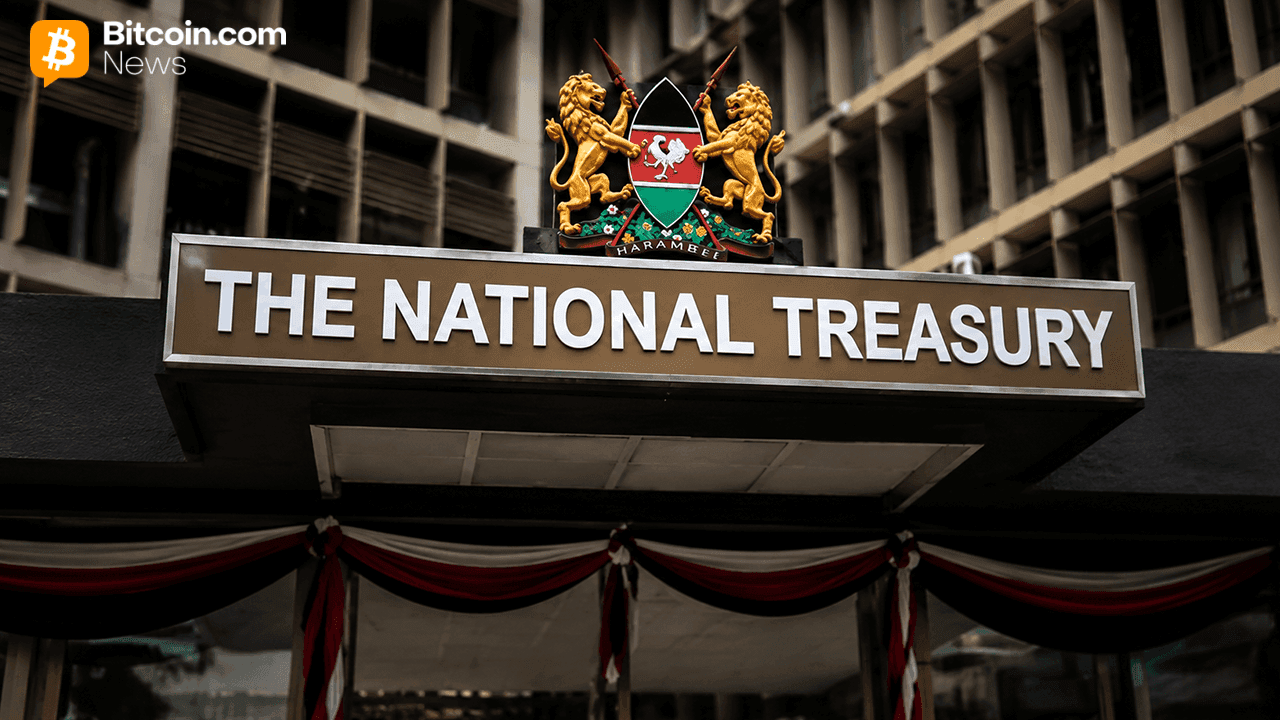
In a bid to quell growing public anxiety, Kenyan Treasury Cabinet Secretary John Mbadi has dismissed reports that the government is imposing fresh tax levies on cryptocurrency transactions. The objective behind the virtual asset adjustments in the Finance Bill 2026, Mbadi argues, is not capital extraction, but rather the systematic resolution of regulatory omissions.
“The rapid growth of digital and virtual asset transactions has created a gap within the existing legal framework due to the absence of clear reporting obligations governing such transactions. The proposal, therefore, seeks to apply reporting and record-keeping principles that are already common within traditional financial and commercial activities to the emerging virtual asset sector,” Mbadi said.
According to a local report, the cabinet secretary also refuted claims that the government has introduced a new tax on digital content monetization. However, an independent technical analysis of the bill published by KPMG indicates that while direct retail tax rates remain unchanged, the operational landscape for digital asset entities will face substantial friction.
KPMG’s tax analysts noted that the bill introduces sweeping statutory disclosure obligations under the Tax Procedures Act, mandating that Virtual Asset Service Providers — including cryptocurrency exchanges, custodial wallets, and token marketplaces — compile and submit comprehensive annual activity reports directly to the Kenya Revenue Authority (KRA).
The KPMG report reveals that the new domestic reporting architecture goes beyond localized tracking. The statutory language includes explicit legal adjustments that empower Kenyan fiscal authorities to exchange transaction records and user identity data with foreign tax jurisdictions. This framework embeds Kenya into global cross-border compliance nets, leaving a permanent digital paper trail for capital gains and multi-jurisdictional web3 operations.
Operational Friction and Fintech Revenue Rails
The convergence of the Treasury’s public remarks and KPMG’s specialized analysis demonstrates a legislative strategy focused on oversight infrastructure rather than simple consumer tax hikes. KPMG highlights that this compliance push will trigger significantly higher administrative and operational overhead costs for digital platforms to implement the required transaction-tracking tools.
Furthermore, broader components of the bill are poised to affect the financial rails that connect digital assets to fiat markets. KPMG’s analysis points out an expanded interpretation of “management and professional fees” under the Income Tax Act to explicitly sweep up interchange and merchant service fees within card networks.
This design, combined with proposals to formalize standard value-added tax parameters for specific platform-based fintech operations, means cross-border processing networks and fiat-to-crypto on-ramps may absorb heavier fiscal friction.
Beyond the tech and digital asset landscape, Mbadi addressed several highly controversial rumors that have driven public pushback amid a broader national conversation regarding fuel inflation and cost-of-living constraints. Importantly, Mbadi addressed concerns over data sovereignty and digital tracking, clarifying that the Finance Bill 2026 does not grant the KRA or law enforcement agencies unchecked access to private mobile money transaction logs or personal smartphone files.
“Existing data protection and privacy laws remain fully in force. So, KRA cannot access your Mpesa account or statements,” an official follow-up statement from the Treasury confirmed.