US–China Trade Deficit Draws Focus to BRICS Relations and Supply Chain Risks
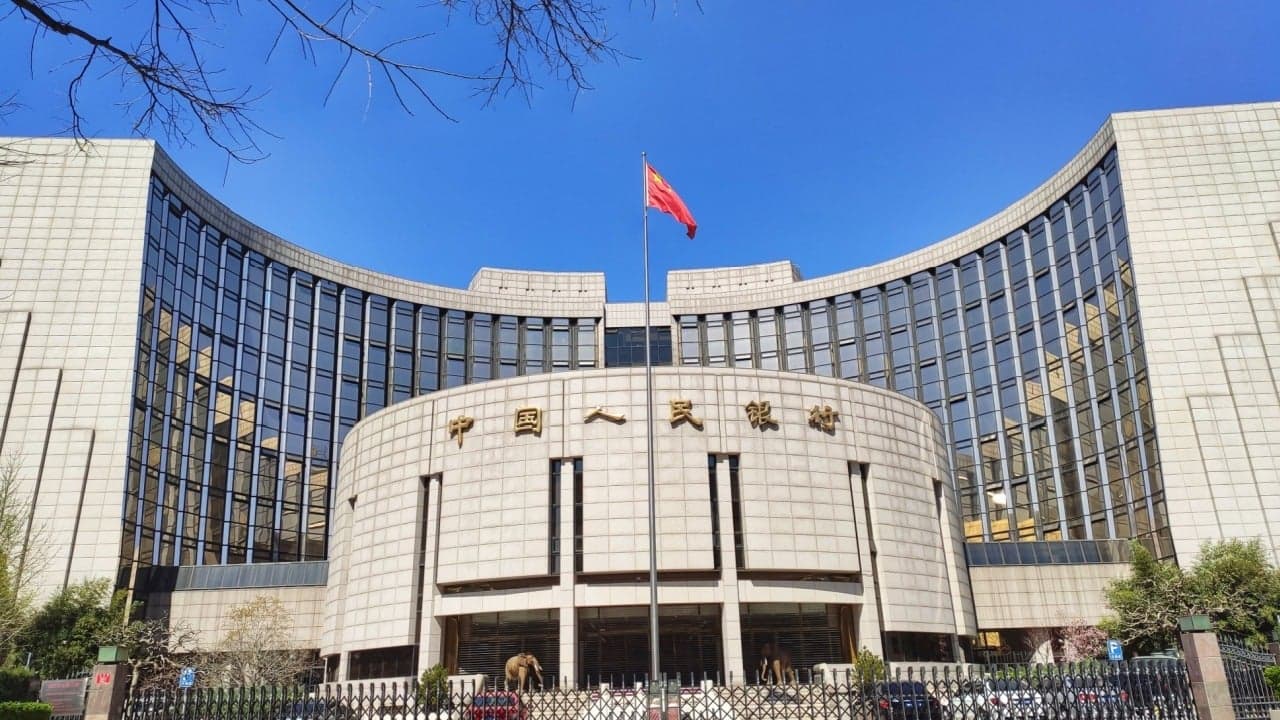
Mounting concerns over the U.S. trade deficit with China have reignited debate over whether the problem originates abroad or within the domestic economy. Economists and global leaders are offering sharply different perspectives, with some attributing the imbalance to structural weaknesses inside the United States rather than aggressive tactics by foreign partners. The discussion has been further intensified by criticism of BRICS members’ trade practices.
Boris Kopeikin, chief economist at the Stolypin Institute for Economic Growth, stated in an interview with Tass on Sept. 9 that the deficit reflects deeper issues at home rather than policy actions of trading partners. He opined:
The large US trade deficit with China and a number of other countries and the growing national debt are a consequence of the declining competitiveness of a number of sectors of the American economy, not the policies of other countries.
His remarks came in response to Peter Navarro, senior counselor to the U.S. president, who told Real America’s Voice, “When they sell to the US, their exports are like vampires sucking our blood dry with their unfair trade practices.” He was referring to BRICS members, whom he also said “historically hate each other and kill each other,” predicting the group would not survive without U.S. trade. Kopeikin responded that the U.S. is heavily reliant on imports from China, India, and Brazil, just as those countries view American demand as essential.
The economist pointed to the early conclusion of the U.S.–China trade war as evidence that mutual reliance makes full disengagement impractical.
Speaking at a virtual BRICS summit a day earlier, Chinese President Xi Jinping said unilateral tariffs and trade disputes driven by some nations are destabilizing the global economy. The summit focused on the international economic and trade environment, particularly U.S. trade and tariff policies. Leaders also discussed multilateralism, economic cooperation, and global governance. Xi urged BRICS members to promote openness, uphold multilateralism, and protect global trade rules. While critics in Washington argue the bloc exploits American markets, some economists and leaders warn that pulling back from global trade could weaken U.S. supply chains, limit consumer access, and harm long-term growth.