Verifying Bitcoin transactions is crucial for ensuring their authenticity and security. This process, handled by the Bitcoin network’s nodes and miners, confirms that transactions are legitimate and haven’t been tampered with. This guide explains how to verify Bitcoin transactions, the tools available, and why it’s essential for the Bitcoin network.
Manage your Bitcoin securely with the self-custody Bitcoin.com Wallet app.
Verifying Bitcoin Transactions: Ensuring Authenticity and Security
Verifying Bitcoin transactions is a fundamental aspect of ensuring their legitimacy and security within the decentralized Bitcoin network. This process, primarily carried out by nodes and miners, confirms that transactions adhere to the Bitcoin protocol and haven’t been altered or double-spent. This guide provides a clear understanding of how to verify Bitcoin transactions, the tools available, and why it’s essential for the Bitcoin network.
Bitcoin is the foundation of the crypto revolution, offering a decentralized and secure way to store and transfer value. Dive into the essentials – Get a high-level overview of what Bitcoin is and why it matters in a quick introduction to Bitcoin, and explore Bitcoin’s key features, how it works, and its role in the financial system in What is Bitcoin?.
Why Verify Bitcoin Transactions?
Verification is crucial for several reasons:
- Confirming Transaction Legitimacy: Ensures the transaction is valid according to the Bitcoin protocol, meaning the sender has the necessary funds and hasn’t attempted double-spending. Understand how Bitcoin transactions work.
- Preventing Fraud: Protects against fraudulent transactions, ensuring that the Bitcoin you send or receive is genuine. Learn about avoiding Bitcoin fraud.
- Maintaining Network Integrity: By verifying transactions, nodes contribute to the overall health and security of the Bitcoin network.
Understanding the Role of Nodes and Miners
The Bitcoin network relies on two key participants for transaction verification:
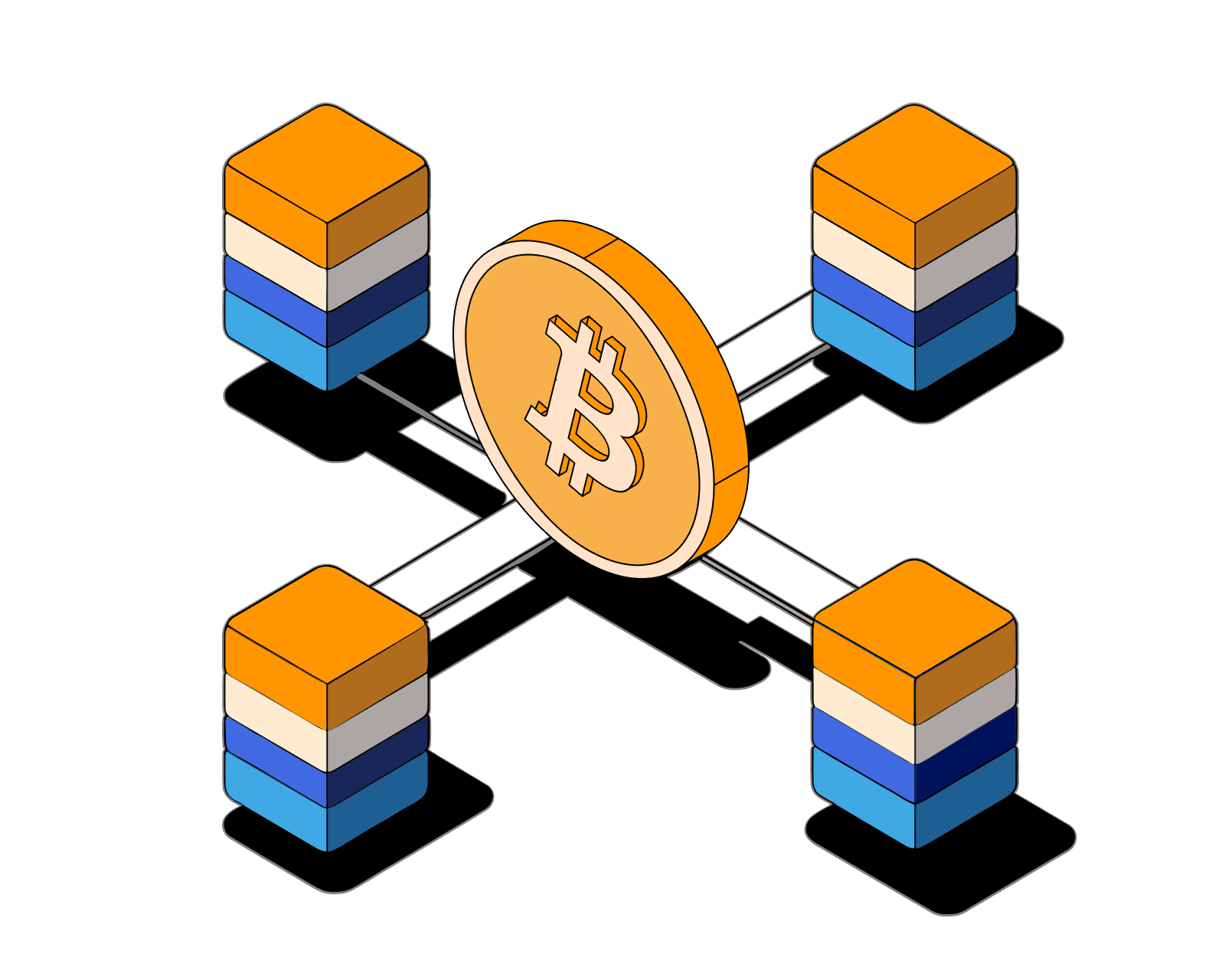
- Nodes: Computers running the Bitcoin software and maintaining a copy of the blockchain. Nodes validate transactions by checking adherence to the Bitcoin protocol’s rules, ensuring sufficient sender funds, proper signing, and preventing double-spending. Learn more about Bitcoin nodes.
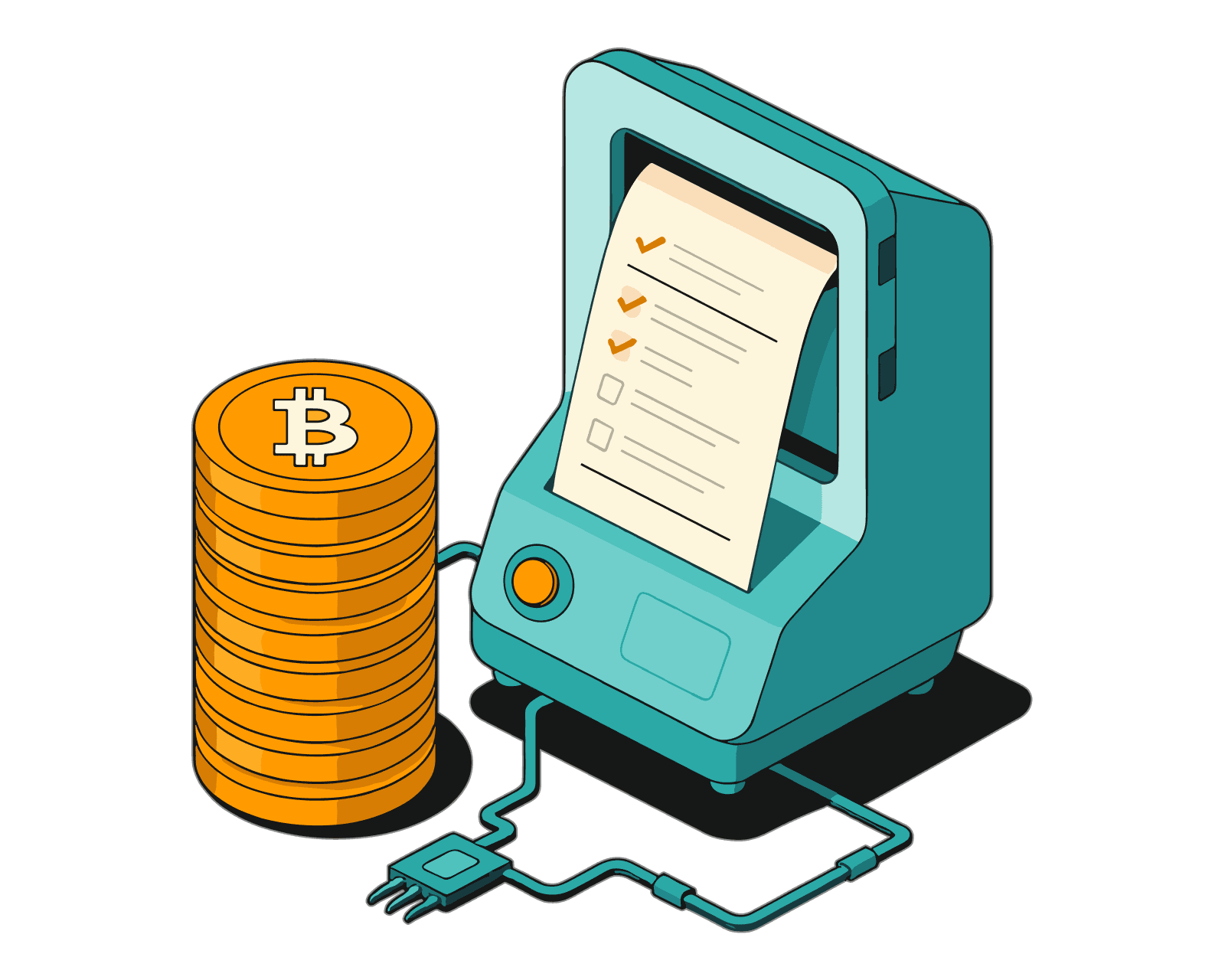
- Miners: Specialized nodes competing to add new blocks of transactions to the blockchain. They verify transactions within a block and solve complex mathematical problems (Proof-of-Work) to add the block to the chain. Learn more about Bitcoin mining.
This decentralized verification process ensures the integrity and security of Bitcoin transactions.
Methods for Verifying Bitcoin Transactions
- Using a Block Explorer: Online tools providing a user-friendly interface to access the Bitcoin blockchain. Enter a transaction ID (TXID) or Bitcoin address to view transaction details (inputs, outputs, confirmations, timestamp). This is the most common method. Try blockexplorer.com and read What is a blockchain explorer?.
- Running Your Own Full Node: Direct access to the blockchain for independent verification without third-party services. Offers the highest security and privacy but requires significant resources.
- Using a Bitcoin Wallet: Many wallets, especially self-custody wallets like the Bitcoin.com Wallet app, provide transaction details and confirmation status. While convenient, this relies on the wallet provider, so independent verification via a block explorer or full node is recommended. Learn more about Bitcoin wallets and how to create one.
Understanding Transaction Details
Key details to review when verifying a transaction:
- Transaction ID (TXID): Unique alphanumeric string identifying the transaction.
- Inputs and Outputs: Sending and receiving Bitcoin addresses.
- Amount: Amount of Bitcoin transacted.
- Fees: Transaction fee paid to miners. Learn more about Bitcoin network fees.
- Confirmations: Number of blocks added after the transaction’s block. More confirmations indicate higher security. Learn more in What is a confirmation?.
- Timestamp: Date and time of transaction recording.
Common Issues and Troubleshooting
- Unconfirmed Transactions: Transactions with zero or few confirmations are pending. Wait for more confirmations or consider a transaction accelerator.
- Invalid Transactions: A block explorer or full node will indicate invalidity.
- Double-Spending: A block explorer or full node will reveal double-spending attempts.
Best Practices for Secure Transactions
- Double-Check Addresses: Carefully verify recipient addresses before sending. Transactions are irreversible. Learn more about Bitcoin addresses.
- Use a Reputable Wallet: Choose a secure wallet. Learn how to choose the right Bitcoin wallet and how to create one.
- Be Aware of Phishing Scams: Avoid suspicious links and protect personal information. Understand how to avoid Bitcoin fraud.
The Importance of Verification in the Bitcoin Network
Verification by nodes ensures the integrity and security of the blockchain, preventing fraud and maintaining trust.
The Future of Bitcoin Transaction Verification
As Bitcoin evolves, so will verification methods. Scalability solutions like the Lightning Network and sidechains impact verification.
Conclusion
Verifying Bitcoin transactions is essential for security and authenticity. By understanding the process, using available tools, and following best practices, you protect yourself and contribute to the Bitcoin network’s health.