

Bitcoin’s retreat from its recent high above $100,000 to around $94,000, along with declining U.S. stocks, has reignited investor concerns. Here’s a closer look at what’s driving the market dynamics.
Market Overview
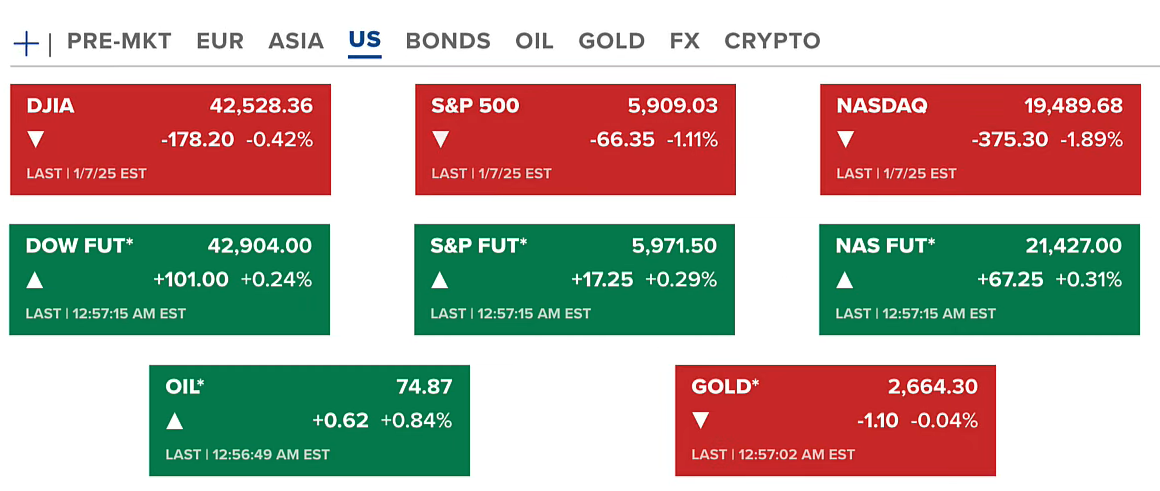
- U.S. Stocks:
- On Tuesday (Jan. 7, 2025), all three major U.S. stock indices fell:
- Nasdaq: -1.89%
- S&P 500 and Dow Jones: Moderate declines
- Meanwhile, futures for both oil and stocks indicated slight recovery:
- Crude Oil: $74.87/barrel
- Gold: $2,664/ounce.
- On Tuesday (Jan. 7, 2025), all three major U.S. stock indices fell:
- Crypto Markets:
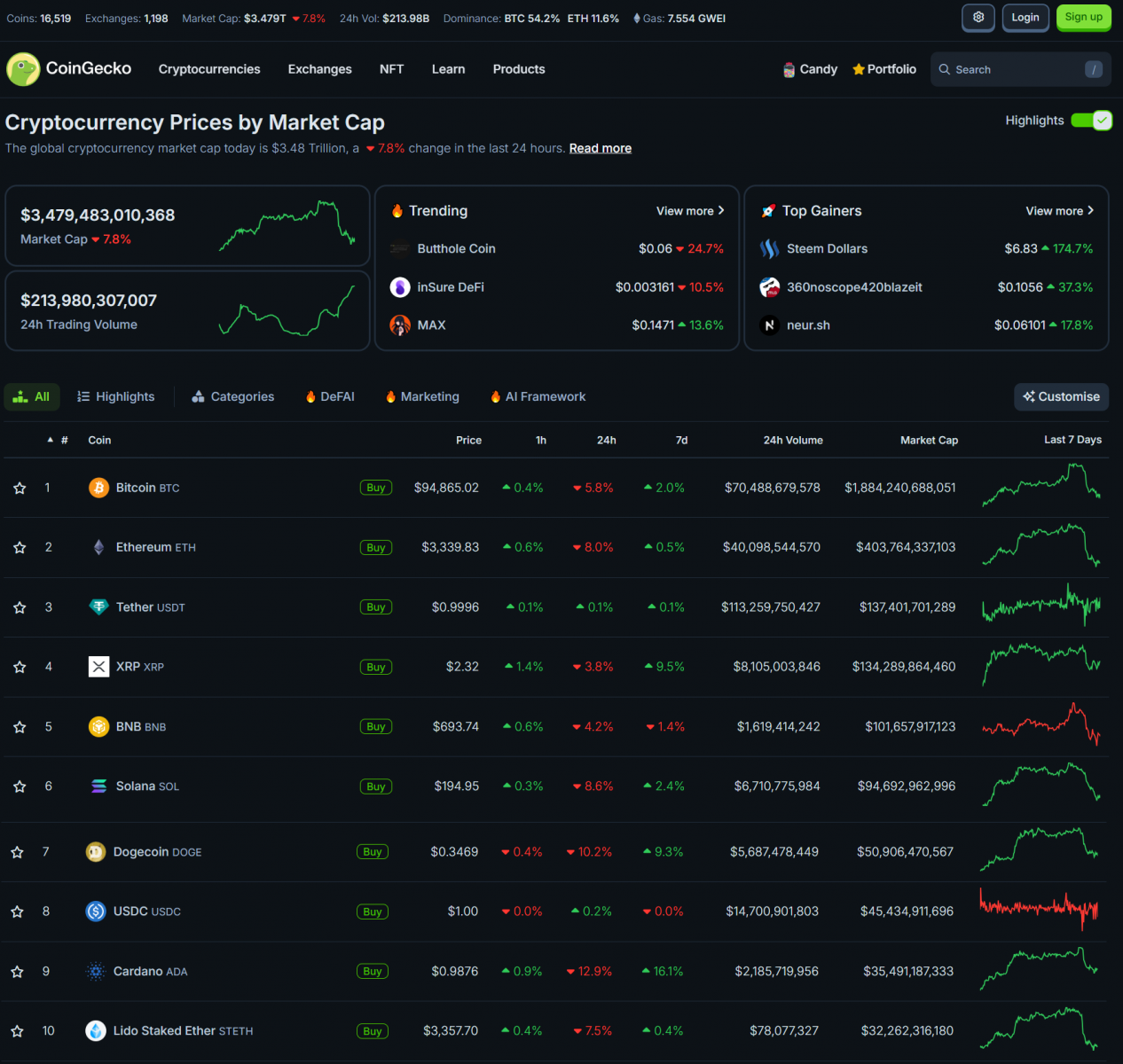
- Bitcoin dropped to $94,000, with altcoins also following a bearish trend.
- Total crypto market cap decreased to $3.479 trillion.
- Spot ETFs for Bitcoin saw modest inflows of $52.4 million, led by BlackRock’s IBIT, while Ethereum ETFs faced outflows of $86.8 million.
Rising Yields and Economic Uncertainty
- Labor Market Strength:
- U.S. job openings in November surpassed expectations, hitting 8 million, above the forecasted 7.73 million.
- Strong job data implies resilience in the U.S. economy, potentially delaying rate cuts by the Federal Reserve (FED).
- Inflation Pressures:
- U.S. inflation remains stubborn, with rising concerns globally:
- Eurozone inflation reached 2.4% in December, marking its third consecutive monthly increase.
- U.S. inflation remains stubborn, with rising concerns globally:
- Bond Yields Surge:
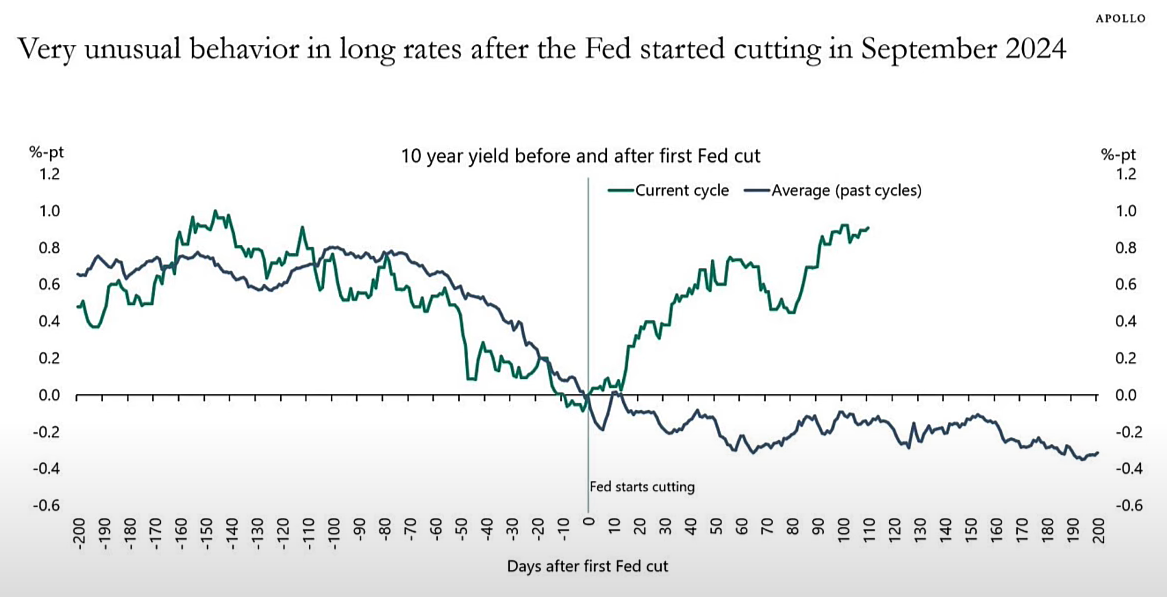
- The 10-year Treasury yield rose to 4.695%, signaling higher borrowing costs.
- Elevated yields challenge the FED’s efforts to lower rates and indicate market skepticism about FED policies.
- Federal Reserve Dilemma:
- Despite cutting rates over the past three months, market participants doubt the FED’s ability to control inflation.
- Investors anticipate only one rate cut in 2025, potentially in June, or even the possibility of further hikes if inflation persists.
Bitcoin and Crypto Markets: A Reflection of Broader Trends
- High Correlation to Macro Factors:
- The strong U.S. Dollar Index (DXY) above 108.50 continues to weigh on risk assets, including crypto.
- Rising bond yields undermine speculative investments by increasing opportunity costs.
- Market Sentiment:
- Despite Bitcoin’s correction, inflows into Bitcoin spot ETFs reflect continued institutional confidence.
- Ethereum ETFs’ outflows suggest investors are reallocating towards Bitcoin during macroeconomic uncertainty.
Regulatory Update: Coinbase vs. SEC

- A federal judge has temporarily paused the SEC’s lawsuit against Coinbase, emphasizing the need for consistent legal interpretations of crypto across jurisdictions.
- This decision marks a setback for the SEC and raises hopes for more transparent regulations under the Trump administration.
Positive Developments for Crypto
- Court Halts SEC’s Case Against Coinbase:
- Judge Katherine Failla paused the SEC’s case against Coinbase, citing inconsistencies across courts regarding crypto regulations.
- The move raises hopes for clearer regulatory frameworks under President Trump’s pro-crypto administration.
- Government Adoption of Bitcoin:
- President Trump reiterated his ambition to add Bitcoin to the U.S. Treasury reserves, fueling optimism for institutional and national adoption.
- Senator Cynthia Lummis proposed a “Bitcoin arms race” to position the U.S. ahead of rivals like Russia and China.
- Decreasing Transaction Fees:
- Average transaction fees on Bitcoin and Ethereum networks dropped below $2, boosting usability for payments and trading.
- Strong Institutional Momentum:
- Institutions continue to accumulate Bitcoin and Ethereum ETFs, with JPMorgan forecasting Bitcoin as a hedge against geopolitical risks and inflation.
Expert Opinions
Economic analysts at Franklin Templeton and JPMorgan view Bitcoin’s recent decline as a short-term correction driven by macroeconomic headwinds. Long-term, they project continued institutional adoption, particularly through Bitcoin ETFs, to fuel its resurgence.
Outlook for 2025
- Bitcoin: Consolidation around $90,000-$100,000 before a potential rally.
- Crypto Regulation: Greater clarity and support under the current U.S. administration.
- DeFi and Blockchain Adoption: Advancements in tokenized securities and stablecoins will underpin a broader crypto recovery.
- Global Trends: Countries like Russia and Switzerland exploring Bitcoin reserves indicate growing sovereign interest in crypto.
Disclaimer
This article is for informational purposes only and does not constitute financial advice. Crypto investments are volatile and subject to market risks. Consult a financial advisor before investing.