Augustus Clears First OCC Hurdle for AI Clearing Bank
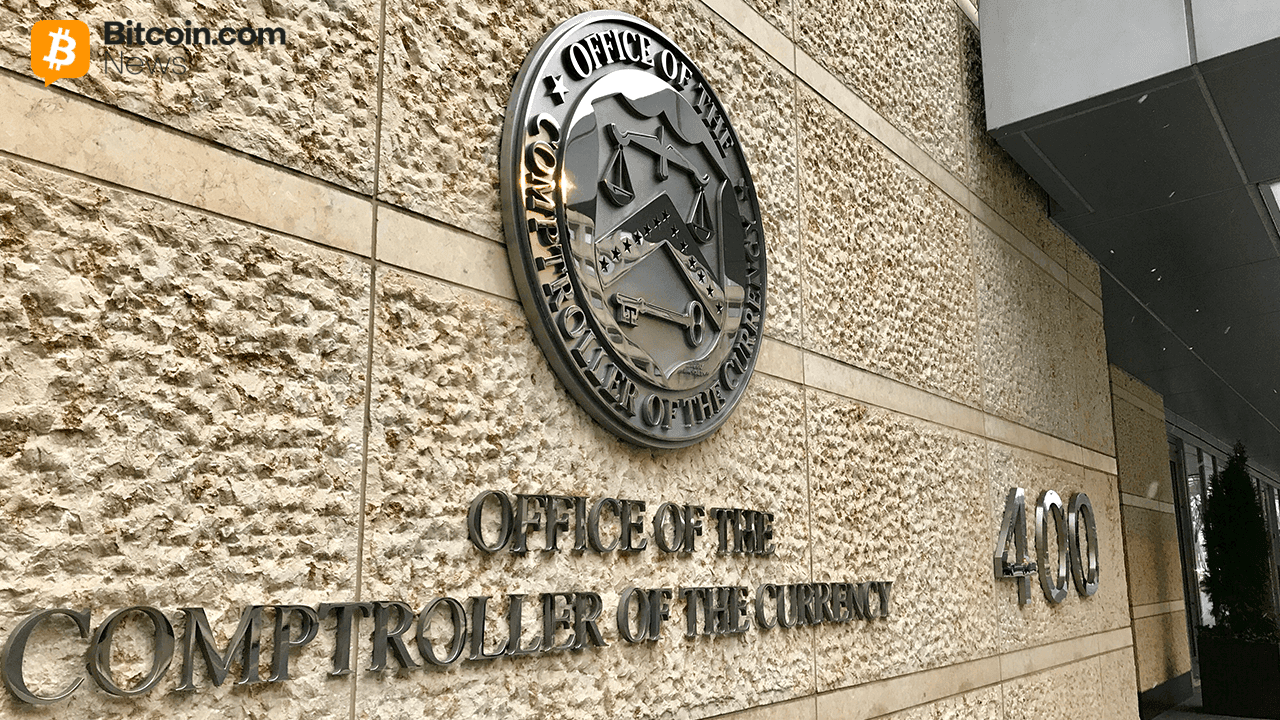
The New York-based company, formerly known as Ivy, announced the conditional approval on May 11. Augustus Bank, N.A. will target global financial institutions that require always-on, programmable settlement of major Western currencies.
The release explains that the company’s thesis centers on a specific gap in the existing model. The legacy correspondent clearing system closes roughly 115 days per year, runs on a two-day settlement cycle, and was built before programmable money existed.
Co-founder Ferdinand Dabitz, 25, will serve as CEO of Augustus Bank, N.A. If the charter reaches full approval, Dabitz would become the youngest CEO of a federally chartered U.S. bank in at least 140 years. He is also a Thiel Fellow.
Greg Quarles will serve as president. Quarles spent 18 years at the OCC as a commissioned national bank examiner and assistant deputy comptroller before serving as CEO of Green Dot Bank, United Texas Bank, and H&R Block Bank.
The broader executive team includes Joe Schenone as CFO, who held prior roles at JPMorgan Chase and MUFG and is credited with helping convert both Lendingclub and Smartbiz into chartered banks. Andy Riggs, named chief credit officer, was on the founding team of Brex’s asset management business.
Kyle Steed will serve as chief risk officer after most recently holding an interim CRO role at United Texas Bank. Bruce Wallace, with prior board and advisory experience at Brex and Revolut, joins the bank’s board.
Augustus’s European subsidiaries are already regulated and processing euro clearing. The company reported 10x year-over-year growth in 2024, processing billions in volume. Kraken, the digital asset exchange, is among its current clients. U.S. dollar clearing would require the full national bank charter to become operational.
The company’s core banking system is said to be built from scratch for machine-initiated, agent-driven workflows. Legacy cores handle short-lived, human-initiated requests. Augustus’s infrastructure is designed for durable, non-deterministic operations at scale.
Augustus’s release explains that since 2010, fewer than ten full-service national bank charters have been granted in the United States. The average U.S. bank is more than 100 years old. The conditional approval comes as Congress advances the GENIUS Act, which would allow federally chartered banks to engage directly with stablecoins.
Augustus also points to growing competitive pressure on Western currency infrastructure. China’s CIPS network now connects 4,800 banks. Russia-backed BRICS Pay is scheduled to launch in 2026 and is designed to route cross-border payments outside SWIFT and the U.S. dollar system entirely.
The approval arrives as banking trade groups push back against crypto firms gaining access to federal banking infrastructure. This week, the Independent Community Bankers of America (ICBA) has asked the OCC to pause consideration of Kraken’s separate national trust charter application, filed by Kraken’s parent company, Payward Inc.
ICBA President Rebeca Romero Rainey has argued that crypto firms pursuing stablecoin access, Federal Reserve master accounts, and trust charters simultaneously create “interconnected risks” to financial stability without facing equivalent regulatory requirements.
The American Bankers Association’s (ABA) Rob Nichols separately urged bank CEOs on May 10 to contact senators directly ahead of the Senate Banking Committee’s scheduled vote on the CLARITY Act, a digital asset market structure bill.
Augustus’s conditional approval does not resolve those debates. The full charter remains subject to OCC review.