
Key Takeaways:
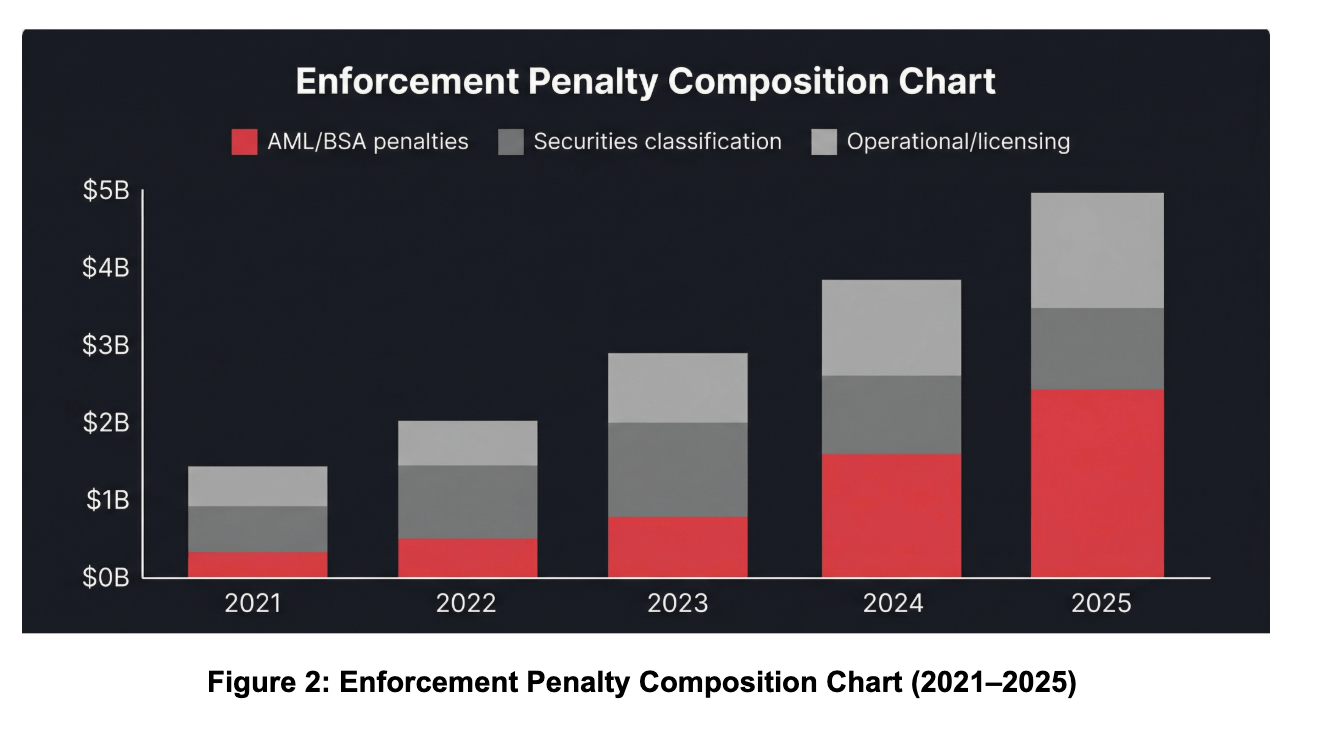
- Certik reports EMEA fines hit $168.2M in H1 2025, a 767% surge as regulators shift to active supervision.
- The EU’s MiCA framework is driving major exchanges to France and Ireland by providing 100% legal certainty.
- 2026 stablecoin laws will treat assets like USDC as money market funds to prevent global market contagion.
The EU Sets the Standard with MiCA
As digital assets move from the periphery of finance to the mainstream, global regulators are grappling with the challenge of fostering innovation while ensuring market stability and consumer protection. A new report released by Certik details how major economies are navigating this “regulatory frontier,” revealing a patchwork of approaches that vary significantly by region.
The European Union (EU) continues to lead in providing a structured framework through the Markets in Crypto-Assets (MiCA) regulation. Unlike other regions that rely on existing financial laws, MiCA creates a bespoke regime for crypto-assets, issuers and service providers. The report notes that the implementation of these rules has provided much-needed legal certainty, prompting several major exchanges to consolidate their European operations in crypto-friendly hubs like France and Ireland.
In contrast, the U.S. seemingly remains characterized by a regulation by enforcement model. The report highlights the ongoing jurisdictional tension between the Securities and Exchange Commission (SEC) and the Commodity Futures Trading Commission (CFTC). While recent judicial rulings have provided some clarity on what constitutes a security, the report warns that the lack of a federal legislative framework continues to drive American Web3 firms toward more predictable jurisdictions. However, the anticipated progress on stablecoin legislation is viewed as a potential turning point for the U.S. market.
Asia has emerged as a region of sharp contrasts, with mainland China maintaining its strict ban on most crypto activities while Hong Kong aggressively positions itself as a regulated virtual asset hub through a new licensing regime for retail trading platforms. The report also points to Singapore and Japan as leaders in stablecoin regulation. Singapore’s focus on institutional-grade crypto services and Japan’s early adoption of consumer protection laws following historical exchange hacks have made them preferred destinations for digital asset custody and settlement services.
As frameworks like MiCA move into full application, the global regulatory focus is shifting from drafting rules to delivering outcomes. Regulators are no longer satisfied with “paper compliance” manuals that fail in practice. Instead, enforcement teams are conducting deep-dive audits of automated transaction monitoring systems and “proof of reserves” to ensure operational reality matches stated policy.
A Global Shift Toward Active Supervision
According to the report, this year has also seen a surge in joint investigations, with agencies sharing real-time data to track illicit fund flows across jurisdictions.
“H1 2025 EMEA fines reached $168.2 million, a 767% increase year over year. The FCA led enforcement activity, imposing penalties of £44 million ($56 million) against Nationwide Building Society, £39.3 million [$50 million] against Barclays, and £21.1 million [$26.8 million] against Monzo, all for AML deficiencies. The Central Bank of Ireland fined Coinbase Europe €21 million [$22.7 million] for AML/CFT breaches. The activation of MiCA and the establishment of AMLA will extend this enforcement trajectory across the EU,” the report disclosed.
While pure decentralized finance (DeFi) remains a complex target, enforcement actions are increasingly focused on centralized intermediaries—such as website front-ends and bridge operators—that provide the primary entry points for retail users.
Meanwhile, several key themes are dominating the regulatory agenda this year, beginning with stablecoin de-risking. Regulators are increasingly focusing on the reserves backing these assets, treating them similarly to traditional money market funds to prevent systemic contagion. Simultaneously, AML compliance is reaching a new milestone as the Travel Rule sees wider global adoption, despite technical hurdles for decentralized protocols.
The report concludes that the “wait and see” era of digital asset regulation has ended. As central banks continue to explore central bank digital currencies (CBDCs), the line between traditional and digital finance will continue to blur. For market participants, the message is clear: Compliance is no longer optional but a prerequisite for long-term viability in the global financial system.