CFTC Targets Emerging Tech Oversight Framework
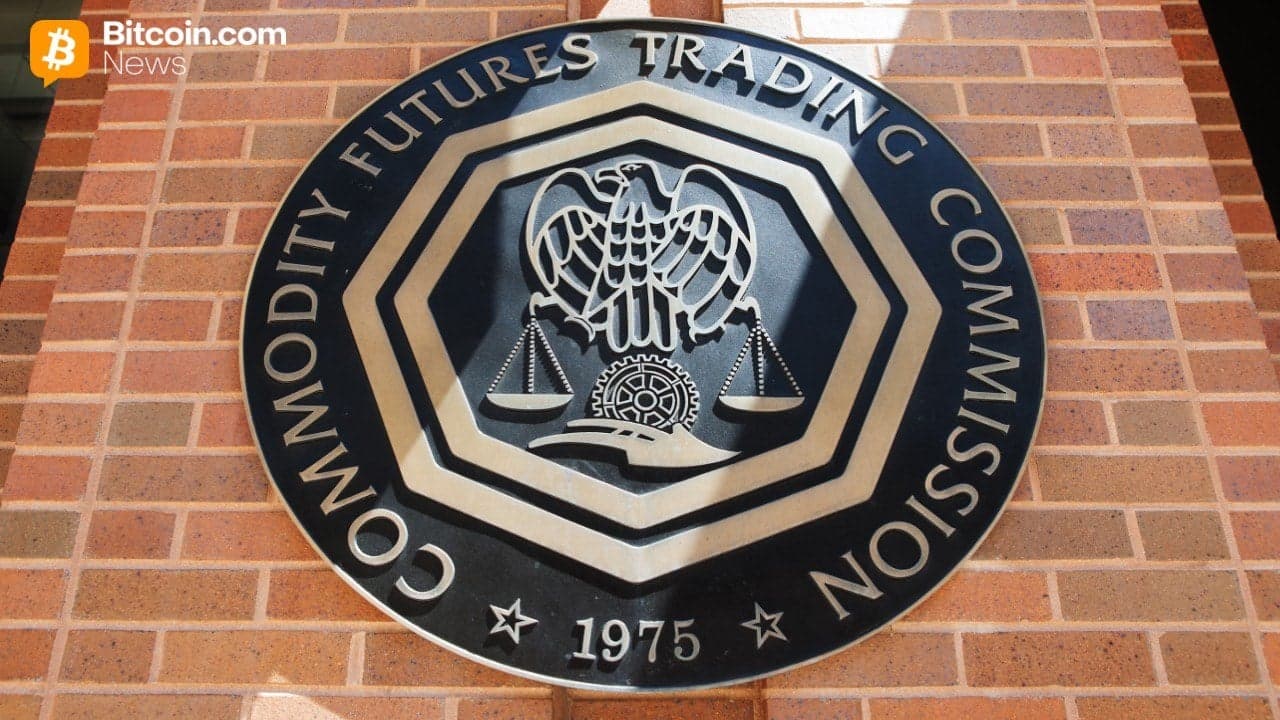
Regulatory priorities for emerging financial technologies advanced as the Commodity Futures Trading Commission (CFTC) announced on March 24 that Chairman Michael S. Selig has formed the Innovation Task Force. The effort focuses on oversight of novel products developing in U.S. derivatives markets.
Operational design of the task force centers on building regulatory conditions for emerging technologies while coordinating policy input across advisory and federal channels. The agency stated:
“The Innovation Task Force, in partnership with the Innovation Advisory Committee, will work with the Commission to develop a clear regulatory framework for innovators focused on: (i) crypto assets and blockchain technologies; (ii) artificial intelligence and autonomous systems; and (iii) prediction markets and event contracts.”
Chairman Selig said: “By establishing a clear regulatory framework for innovators building on the new frontier of finance, we can foster responsible innovation at home and ensure American market participants are not left on the sidelines.”
The Innovation Advisory Committee functions independently as a source of expert analysis, examining issues at the intersection of technology, law, policy, and finance. Formerly known as the Technology Advisory Committee, it provides recommendations on how technological developments affect financial markets and the broader U.S. economy, informing—but not executing—the Commission’s regulatory work.
Cross-Agency Alignment Expands Crypto Clarity
The Innovation Task Force, distinct from the advisory body, is charged with carrying out policy development and coordinating regulatory efforts across agencies. Its role includes working with federal counterparts and supporting the creation of frameworks that govern blockchain-based systems, artificial intelligence applications, and event-driven derivatives within established compliance structures.
Parallel regulatory activity on March 17 involved joint interpretation with the U.S. Securities and Exchange Commission (SEC) on how federal securities laws apply to certain crypto assets and transactions. That effort established alignment in administering the Commodity Exchange Act while defining classifications for digital asset categories and clarifying treatment of mechanisms such as staking, airdrops, and protocol mining.
Cross-agency coordination remains integral to the task force’s function, including collaboration with the SEC and its Crypto Task Force. This structure supports consistent oversight across jurisdictions as innovation expands, while reinforcing efforts to establish clarity for developers, issuers, and market participants navigating evolving derivatives markets.
FAQ 🧭
- Why is the CFTC forming an Innovation Task Force?
To create clearer regulatory frameworks for crypto, AI, and emerging derivatives markets. - How does this impact crypto investors?
It signals increased regulatory clarity that could reduce uncertainty and support market participation. - What role does the SEC play in this initiative?
The SEC is coordinating with the CFTC to align oversight of digital assets and securities laws. - What areas of fintech are being prioritized?
Crypto assets, blockchain systems, artificial intelligence, and prediction markets are key focus areas.