Cryptocurrency exchanges are the digital marketplaces where you can buy, sell, and trade cryptocurrencies. They come in two primary forms, each with its unique advantages and drawbacks:
1. Centralized Exchanges (CEXs)
Centralized exchanges are traditional exchanges operated by a central authority. They typically offer a user-friendly interface, a wide range of trading pairs, advanced charting tools, and high liquidity. However, they often require users to undergo Know Your Customer (KYC) and Anti-Money Laundering (AML) procedures, which can be time-consuming and privacy-invasive.
Some of the Popular CEXs are:
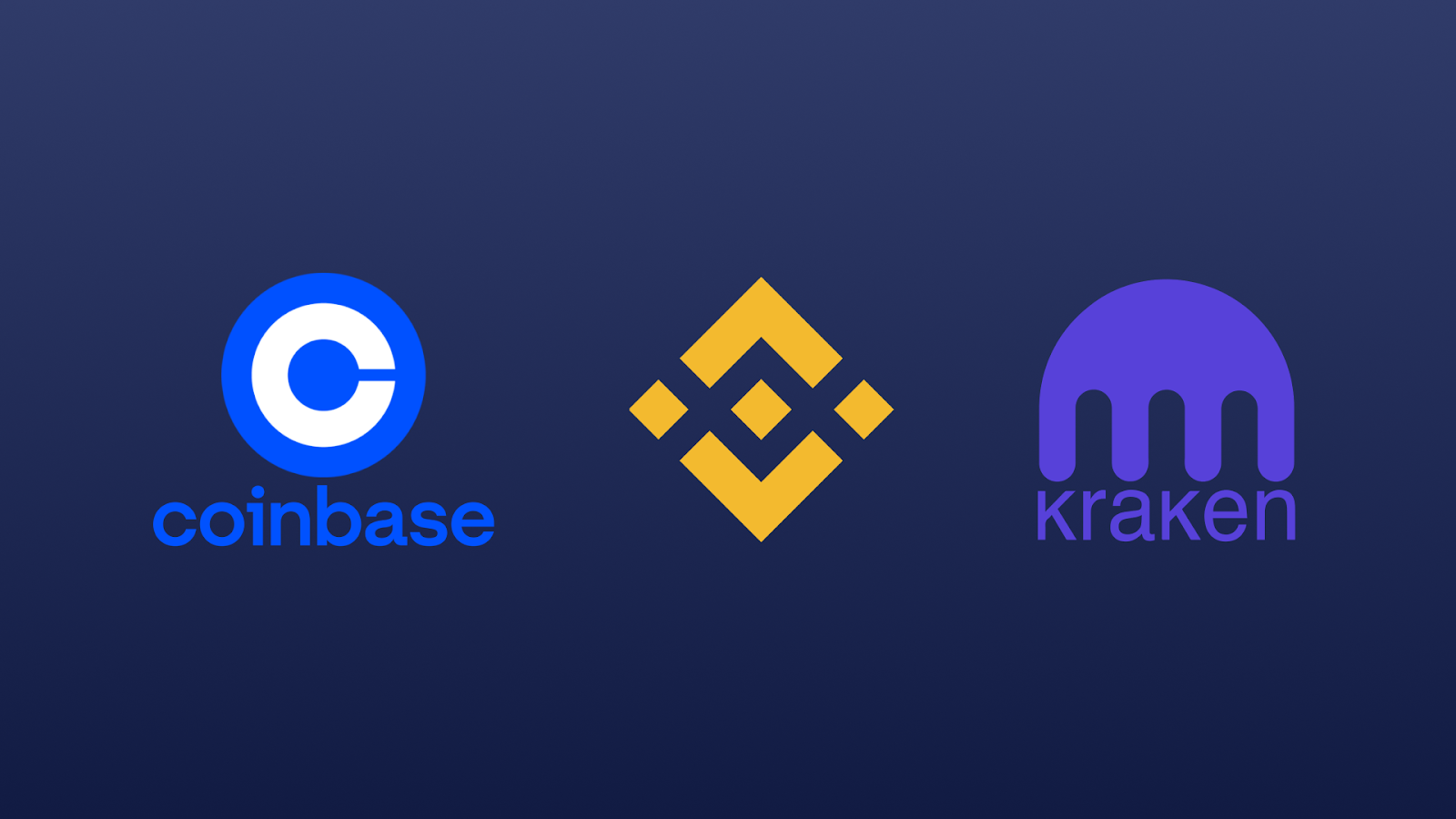
- Binance: One of the largest and most popular crypto exchanges, offering a wide range of features and services.
- Coinbase: A user-friendly exchange that is popular among beginners.
- Kraken: A reputable exchange known for its security and advanced trading features.
2. Decentralized Exchanges (DEXs)

Decentralized exchanges (DEXs) operate on blockchain technology and do not rely on a central authority. They prioritize user privacy and security by eliminating the need for intermediaries. While DEXs offer greater autonomy and security, they can be more complex to use and may have lower liquidity compared to CEXs.
Examples of Popular DEXs:
- Uniswap: A leading decentralized exchange that allows users to trade tokens directly on the Ethereum blockchain.
- PancakeSwap: A popular DEX on the Binance Smart Chain, offering a wide range of features and services.
- SushiSwap: A fork of Uniswap with a focus on community governance and yield farming.
Choosing the Right Exchange
When selecting a cryptocurrency exchange, consider the following factors:
- Security: Prioritize exchanges with strong security measures, such as two-factor authentication and cold storage.
- User Interface: Choose an exchange with a user-friendly interface that suits your technical expertise.
- Fees: Compare the trading fees, withdrawal fees, and other charges associated with the exchange.
- Supported Cryptocurrencies: Ensure the exchange supports the cryptocurrencies you want to trade.
- Liquidity: Higher liquidity means better price execution and lower slippage.
- Regulation: Consider the regulatory environment of the exchange and its compliance with local laws.
Get 20% off trading fee on Binance when you register with our register link:
Popular Crypto Trading Strategies
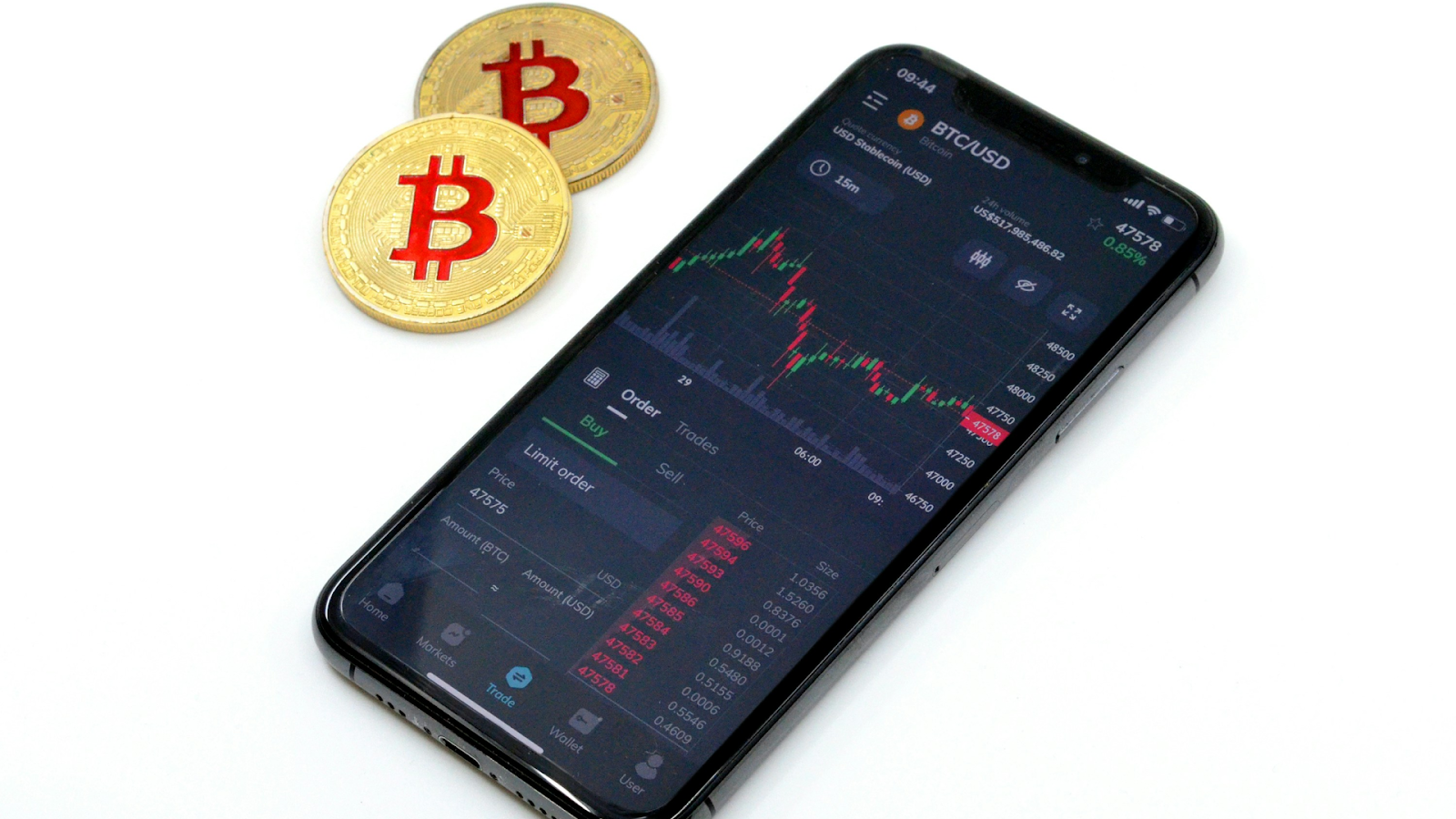
Once you’ve chosen a suitable exchange, you can explore various trading strategies to maximize your returns. Here are some common approaches:
- HODL (Hold On for Dear Life): A long-term investment strategy where you buy and hold cryptocurrencies for an extended period, often years.
- Swing Trading: A short-term to medium-term strategy that involves buying and selling cryptocurrencies to capitalize on price swings.
- Day Trading: A high-risk, high-reward strategy that involves buying and selling cryptocurrencies multiple times within a single day.
- Dollar-Cost Averaging (DCA): A strategy where you invest a fixed amount of money in cryptocurrency at regular intervals, regardless of market conditions.
Key Considerations for Crypto Trading
- Market Research: Stay informed about market trends, news, and technical analysis.
- Risk Management: Diversify your portfolio, set stop-loss orders, and avoid emotional decision-making.
- Security: Use strong passwords, enable two-factor authentication, and be cautious of phishing scams.
- Taxes: Understand the tax implications of cryptocurrency trading in your jurisdiction.
Remember, cryptocurrency trading involves significant risk. It’s crucial to conduct thorough research and only invest what you can afford to lose. By carefully evaluating these factors, you can choose a crypto exchange that aligns with your trading goals and risk tolerance.
![How to Use edgeX (エッジエックス) | Explanation of Registration, Deposits, Withdrawals, and Trading Methods [Latest 2025] 1](https://livecryptomarketcap.com/wp-content/uploads/2026/03/how-to-use-edgex-e382a8e38383e382b8e382a8e38383e382afe382b9-explanation-of-registration-deposits-withdrawals-and-trading-methods-latest-2025-1.webp)