

1. Market Overview
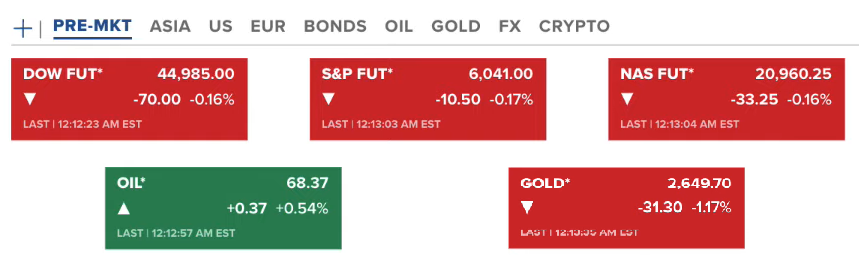
As of December 1, U.S. stock futures opened slightly lower, with all three major indices declining by approximately 0.16%. Oil prices climbed to $68.3 per barrel, while gold traded at $2,649 per ounce.
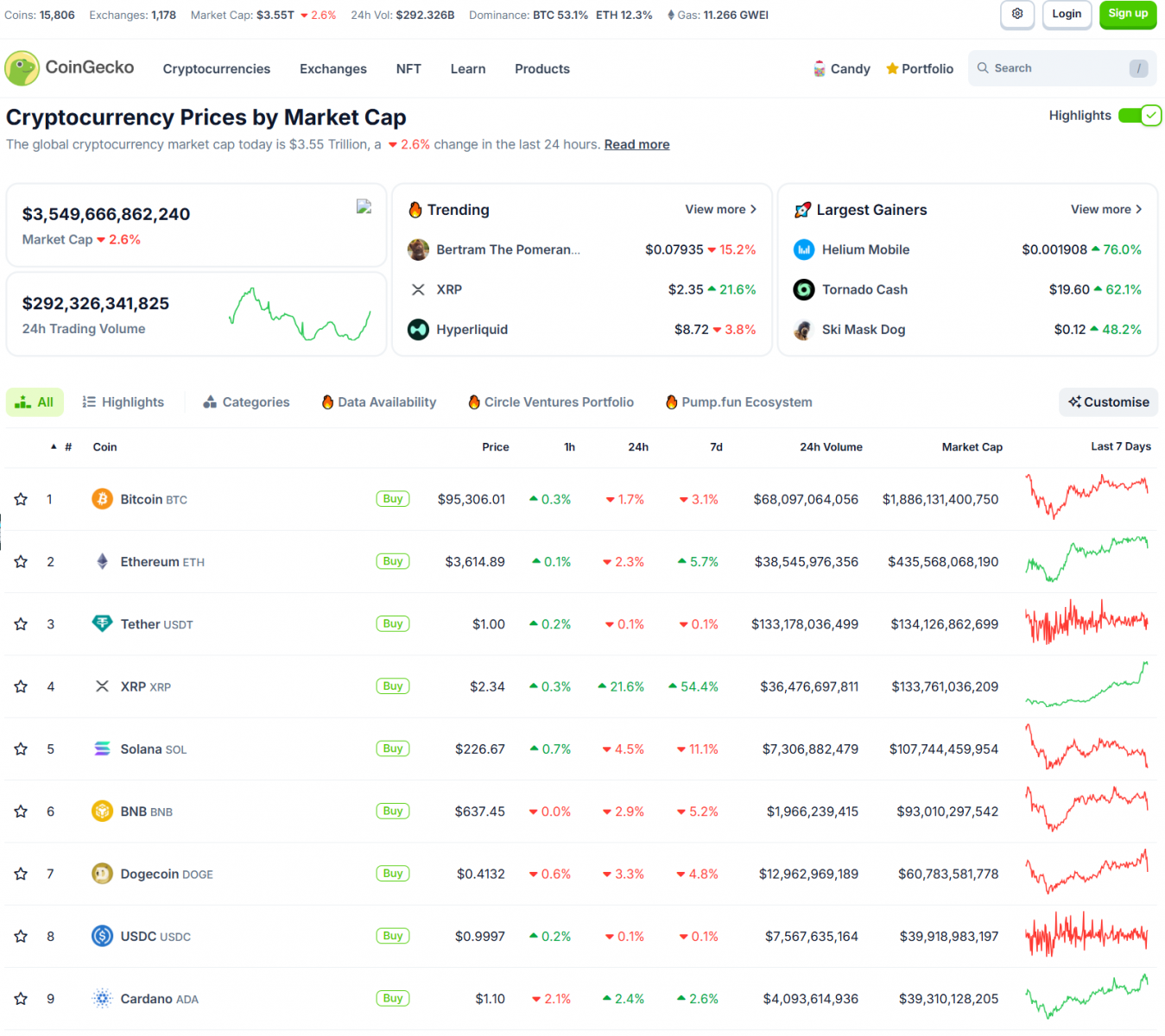
In the cryptocurrency market, Bitcoin (BTC) has dipped slightly to hover around $95,000, while altcoins show mixed performance. The total crypto market capitalization stands at $3.549 trillion.
Key Economic Events
This week, several U.S. economic reports could significantly impact Federal Reserve policies:
- Tuesday: Job openings report.
- Wednesday: ADP employment data and the Fed’s Beige Book.
- Thursday: Initial jobless claims and unemployment rate updates.
- Friday: Remarks by Federal Reserve Chicago President Goolsbee.
2. Bitcoin Price Trends: November Performance
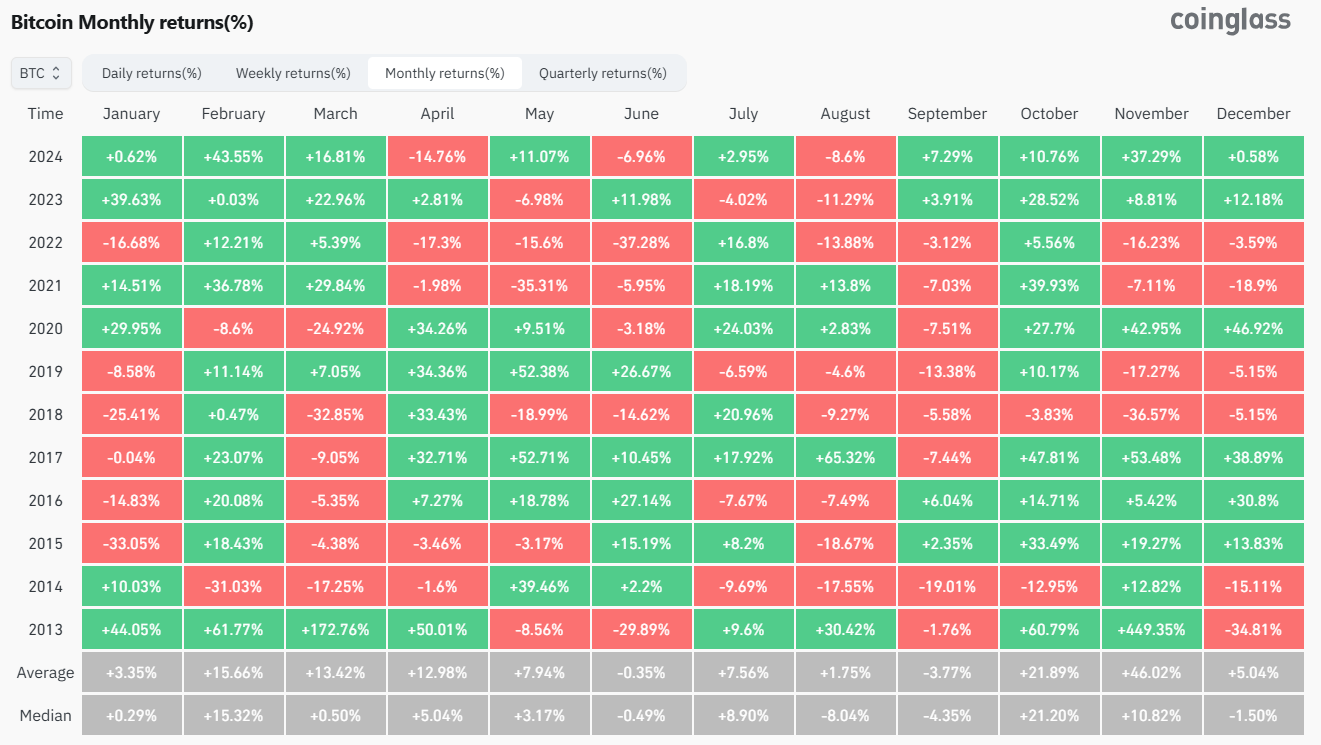
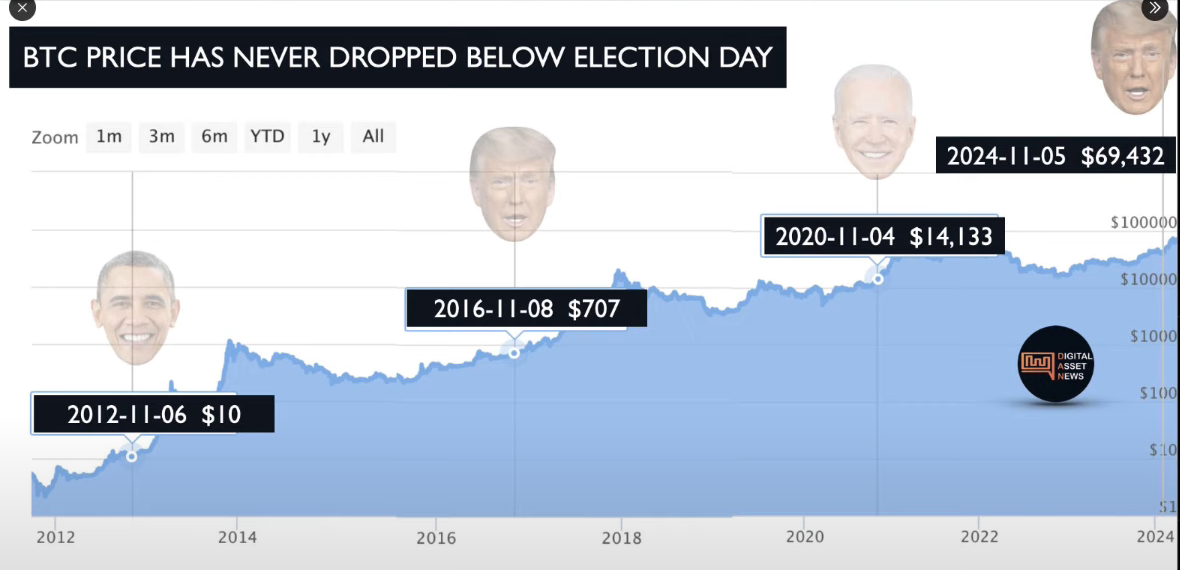
Bitcoin ended November with a 37% price increase, marking the third consecutive month of growth. Historical data suggests that Bitcoin often rallies during the year’s final months, with November proving particularly bullish. However, the current cycle exhibits unique characteristics driven by external factors like regulatory clarity and institutional adoption.
BTC Dominance and Altcoin Growth
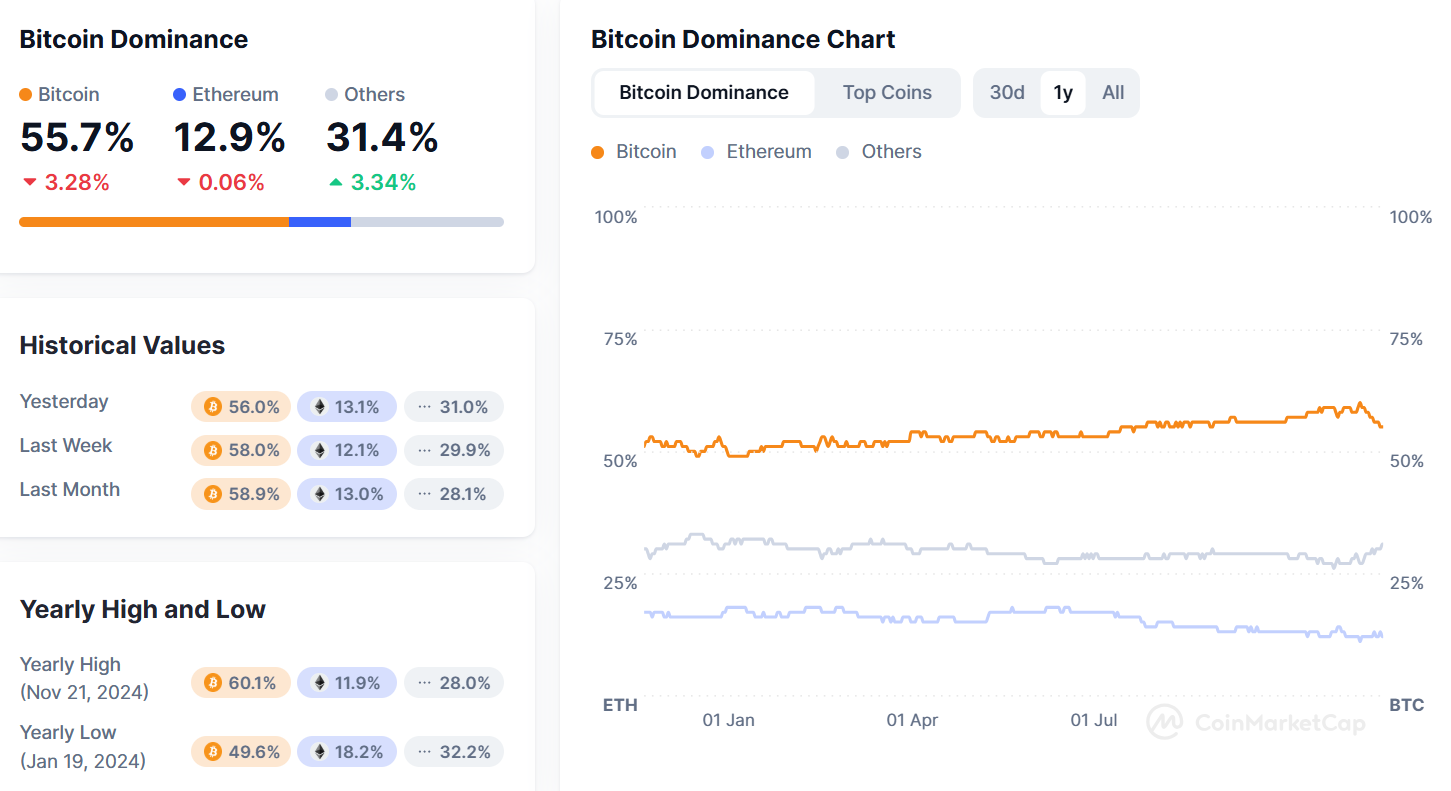
Bitcoin’s dominance has declined slightly, signaling capital rotation into altcoins. Ripple’s XRP continues to outperform, supported by favorable legal developments. Despite this shift, Bitcoin remains the market’s anchor, trading consistently within the $90,000–$100,000 range.
BTC’s Path to $100,000
While BTC’s ascent to $100,000 seems inevitable, the journey is unlikely to be linear. Market corrections and volatility are natural, as seen in past cycles. This phase of consolidation could serve as a springboard for future growth.
3. A Journey Through Bitcoin’s Historical Cycles
The Four-Year Cycle Framework
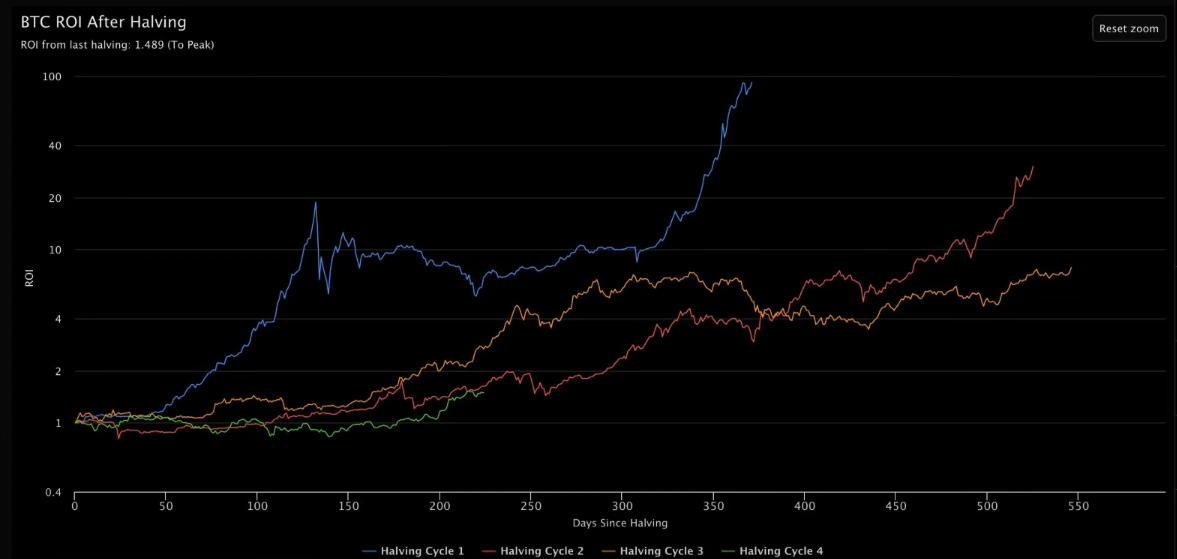
Bitcoin’s price historically moves in four-year cycles, influenced by halving events that reduce miner rewards by 50%. Each cycle has distinct phases of growth, correction, accumulation, and recovery. While no two cycles are identical, patterns emerge that offer insights into future price behavior.
- First Cycle (2012 Halving)
- Price at Halving: $12.35
- Cycle Peak: 100x increase within one year.
- Second Cycle (2016 Halving)
- Price at Halving: $650
- Cycle Peak: 30x increase approximately 18 months post-halving.
- Third Cycle (2020 Halving)
- Price at Halving: $8,821
- Cycle Peak: $69,000 (~8x increase within 18 months).
Current Cycle (2024 Halving)
The 2024 halving introduces unique variables:
- BTC Spot ETFs: Early approvals have driven pre-halving price action, with BTC breaking previous highs before the halving.
- Political Support: Crypto-friendly policies under the Trump administration may accelerate adoption.
Despite differences, historical data suggests that BTC peaks 12–18 months post-halving, albeit with diminishing returns as the market matures.
The Long-Term Perspective
Bitcoin’s cyclical nature reinforces the need for patience and strategy:
- Short-term fluctuations are influenced by external factors like macroeconomics and market sentiment.
- Long-term, Bitcoin’s scarcity and increasing adoption position it as a store of value comparable to digital gold.
4. Investment Reflections: Lessons from the Past
Strategic Diversification
Experienced investors have learned to diversify during bull runs. For example, some shift profits from Bitcoin into altcoins or traditional assets to balance portfolios.
Accumulation During Crypto Winters
The harsh lessons of past cycles underscore the importance of accumulation during bear markets. Veteran investors often capitalize on market fear, accumulating Bitcoin at discounted prices while others exit the market.
The Road to $100,000
Bitcoin’s rise to $100,000 will test investor resolve:
- Those who endure market corrections and volatility will reap the rewards.
- “Not everyone deserves Bitcoin when it reaches $100,000,” reflects a common sentiment among seasoned investors.
5. Michael Saylor’s Bitcoin Strategy with Microsoft
Michael Saylor, a prominent Bitcoin advocate and Executive Chairman of MicroStrategy, recently presented a compelling Bitcoin strategy to Microsoft shareholders and board members. The proposal could see Microsoft integrating Bitcoin into its corporate treasury strategy.
Key Points from Saylor’s Presentation
- Bitcoin as Digital Real Estate: Saylor likens Bitcoin to “digital land” with unparalleled scarcity and value retention.
- Generational Wealth: He argues that Bitcoin is an asset families and institutions will hold for generations, akin to prime real estate.
- A Network of Value: Saylor envisions Bitcoin as the foundation of a global financial system, with its value multiplying as trillions of dollars migrate into the network.
MicroStrategy as a Case Study
MicroStrategy, under Saylor’s leadership, has pioneered the corporate adoption of Bitcoin. The company’s strategy of accumulating BTC has positioned it as a trailblazer in leveraging Bitcoin as a long-term store of value.
Looking Ahead: BTC and the Broader Crypto Market
Bitcoin’s journey reflects a blend of predictability and uncertainty:
- Cyclical patterns provide a roadmap, but external factors like regulations and macroeconomic conditions add complexity.
- Innovations like Bitcoin spot ETFs and political endorsements could redefine the current cycle’s trajectory.
Investors must navigate this landscape with clear strategies and risk management. As Saylor famously states, “Those who hold the most Bitcoin will win.”
Disclaimer
This article is for informational purposes only and does not constitute financial advice. Always conduct thorough research before making investment decisions.