

A Landmark Moment for Crypto as Trump Signs Executive Order for Bitcoin Reserve
In a groundbreaking move for the crypto industry, President Donald Trump has officially signed an executive order to establish the U.S. Bitcoin Reserve Fund. This marks the first time in history that the U.S. government has formally recognized Bitcoin as a strategic asset.
While this is a long-term bullish development for Bitcoin, the market reacted negatively in the short term, triggering a sharp decline in BTC prices. Investors are now analyzing the implications of this decision and the broader impact of ongoing trade disputes.
Market Overview: Equities and Crypto Hit by Tariff Uncertainty
U.S. stock markets plunged sharply on March 6, with the Dow Jones, S&P 500, and Nasdaq all experiencing steep losses as concerns over an extended trade war with China weighed on investor sentiment.

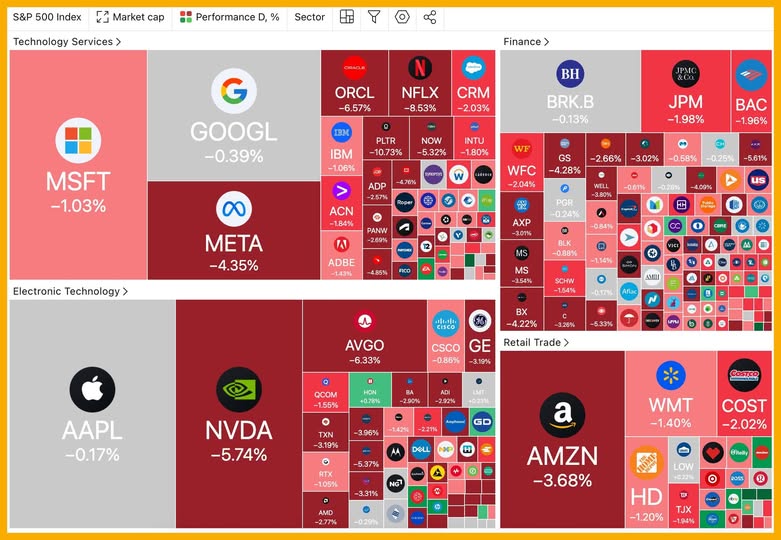
The U.S. equity market saw an astonishing $1.15 trillion wiped out in a single trading session. For comparison, the entire market capitalization of Bitcoin is only $1.7 trillion, highlighting the scale of the sell-off.
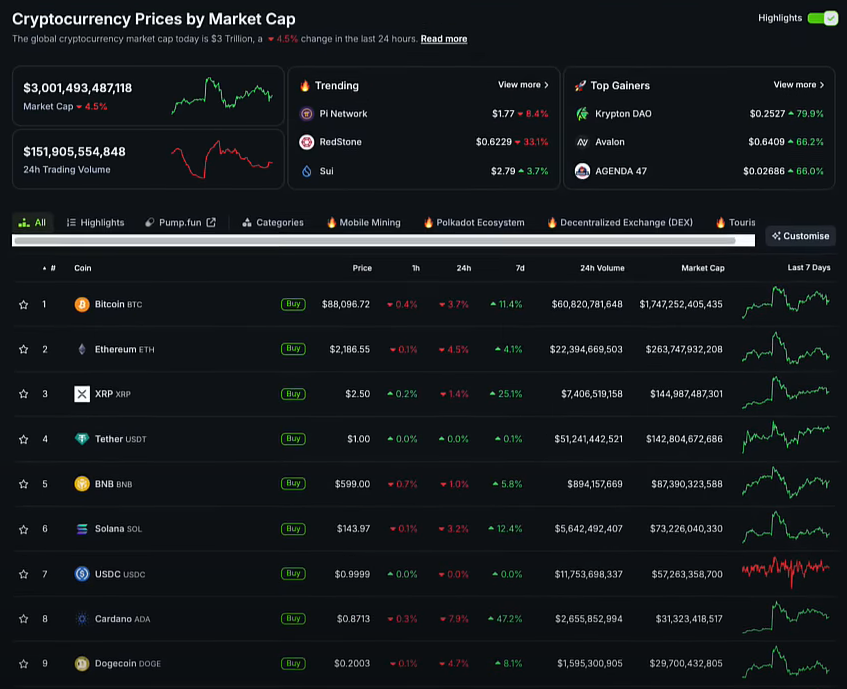
Despite these developments, Bitcoin managed to stabilize around $90,000, even as the traditional market turmoil fueled a “sell the news” reaction among crypto traders.
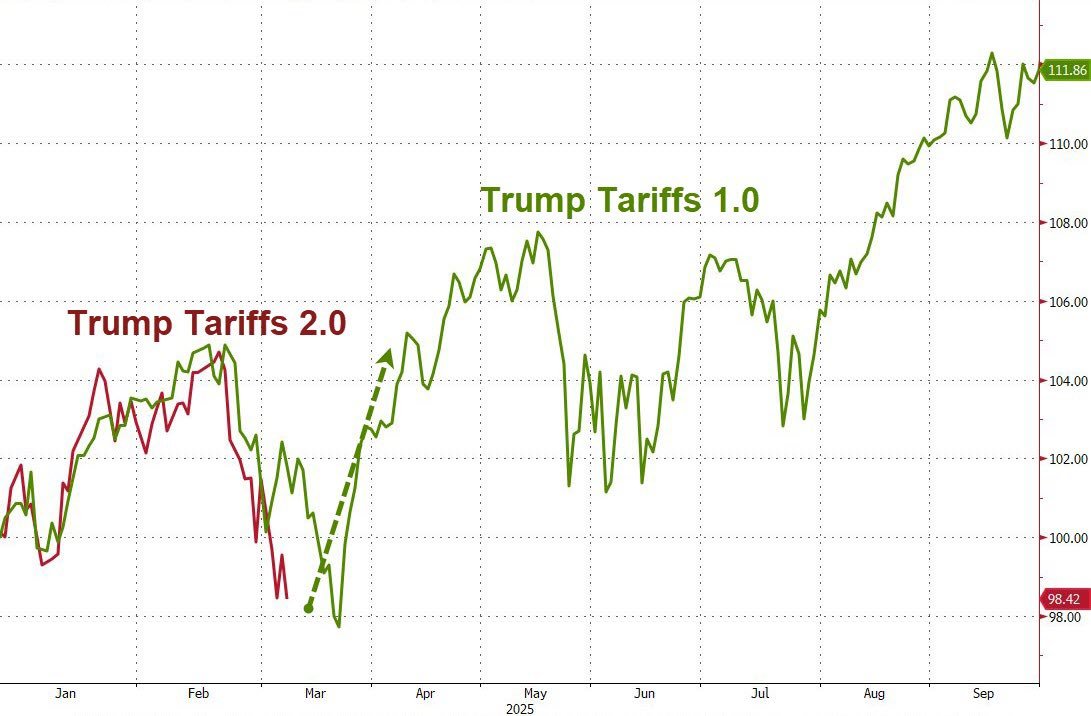
Data from The Kobeissi Letter, a widely followed market analysis platform, drew parallels between Trump’s current tariff war (2.0) and his previous one in 2018-2019 (1.0). Historical patterns suggest that while stocks initially suffer during a tariff war, they tend to recover strongly afterward. Many investors now view this dip as a potential buying opportunity.
The latest U.S. jobless claims data showed that first-time unemployment claims fell to 221,000, lower than the projected 235,000. This marks a notable drop from the previous three-month high of 242,000.
In the crypto space, Bitcoin briefly dropped to $83,000 before rebounding to $88,000, while major altcoins continued to struggle. The total crypto market capitalization remains around $3 trillion, indicating that investors are maintaining cautious optimism despite recent volatility.
Bitcoin ETFs Continue to See Outflows
The U.S. spot Bitcoin ETF market saw another day of outflows, with a net withdrawal of $134.3 million on March 6. Outflows were widespread across multiple funds, reflecting investor caution in light of regulatory and macroeconomic uncertainties.
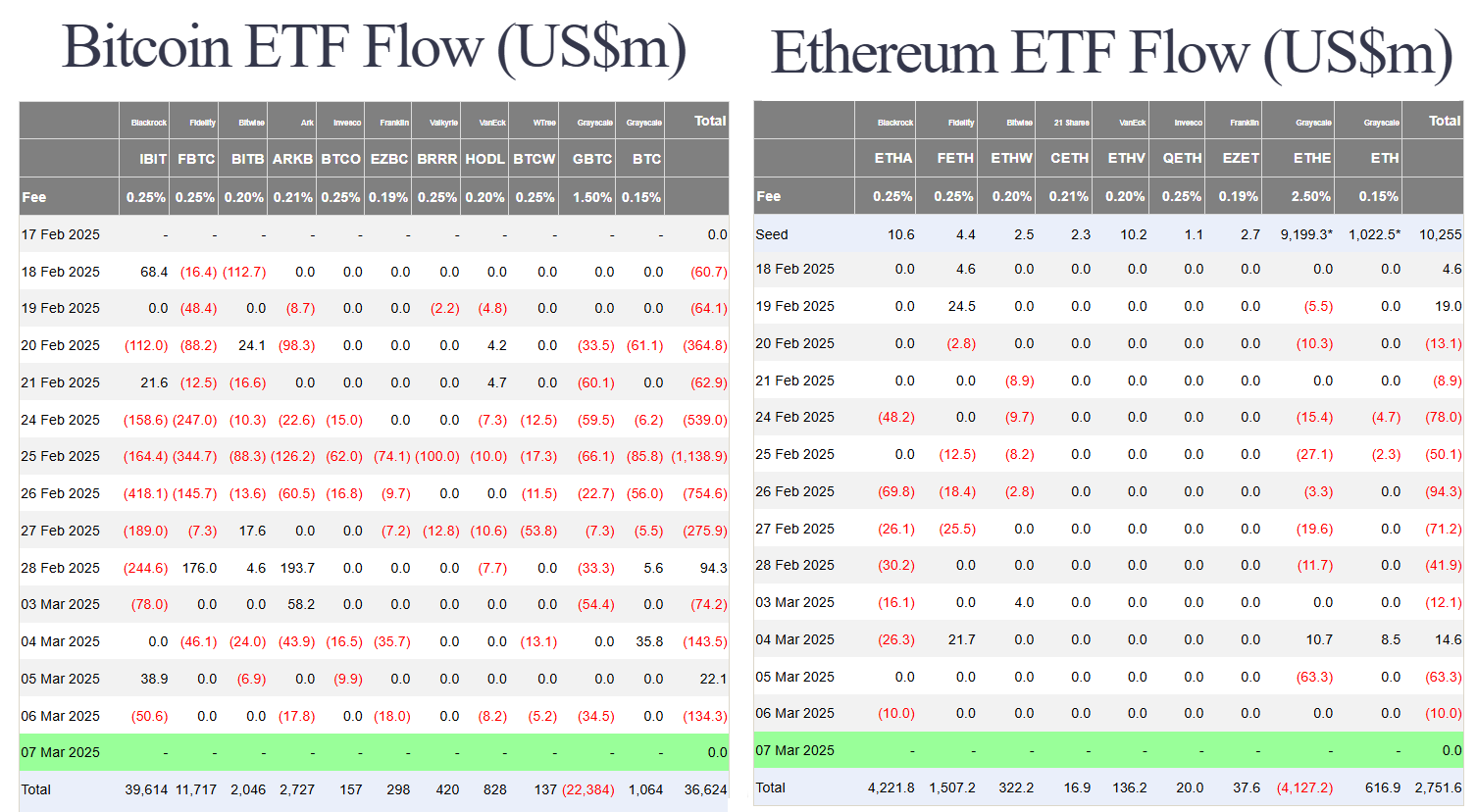
Similarly, Ethereum spot ETFs recorded outflows of $10 million, primarily from BlackRock’s ETHA fund.
Bitcoin’s price drop can partly be attributed to a classic “sell the news” event, where traders who had anticipated the announcement took profits once the news became public.
Additionally, the sharp price swings observed during the event suggest that automated trading bots may have amplified volatility. These bots likely had pre-set sell orders triggered by the news, causing a temporary market dip before stabilization.
U.S.-China Trade War Intensifies: Economic Consequences
President Trump announced a temporary delay in tariffs on Mexican goods under the USMCA trade agreement until April 2 after discussions with Mexican President Claudia Sheinbaum. However, no significant progress has been made on tariff negotiations with Canada, Europe, or China.
China has responded to the ongoing trade war with aggressive fiscal measures, signaling its intent to cushion its economy from potential shocks.
Two days ago, China announced an increase in its budget deficit target to 4% of GDP, the highest level since 2010, indicating a willingness to borrow heavily to stimulate growth.
Additionally, Beijing plans to issue $178.9 billion in ultra-long-term government bonds in 2025, an increase of $42 billion compared to last year. These funds will be directed toward consumption stimulus initiatives to mitigate the effects of economic slowdown.
The Chinese government has also approved $610 billion in special local government bonds, a $70 billion increase from 2024, aimed at alleviating financial strain at the municipal level.
Meanwhile, China’s export growth in January-February fell significantly below expectations, recording a 2.3% increase year-over-year, compared to the 5% growth forecast. This represents the slowest growth rate since April 2023, signaling potential weakness in China’s trade sector.
With the first round of U.S. tariffs on Chinese goods taking effect on February 4, followed by a second 10% increase in March, analysts warn that China’s exports could deteriorate further.
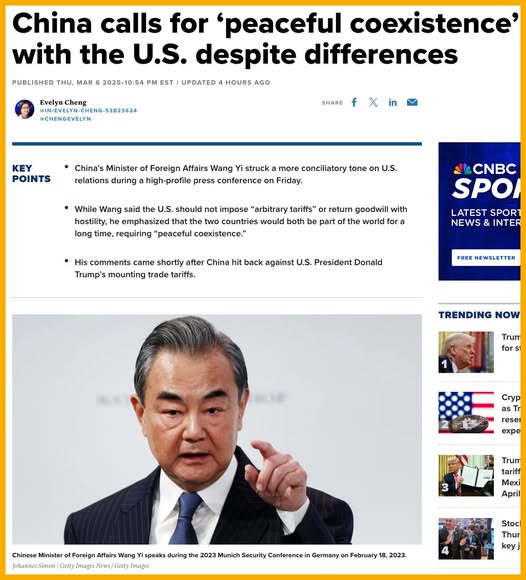
Interestingly, China’s stance appears to have softened. Unlike previous confrontational rhetoric from its embassy in Washington, Foreign Minister Wang Yi recently called for “peaceful coexistence” with the U.S.. This suggests that China may not be prepared for a prolonged trade war.
Given the economic challenges facing both nations, there is hope that negotiations will lead to a resolution rather than an escalation.
Trump’s Executive Order: The U.S. Bitcoin Reserve Fund
President Trump has officially signed an executive order to establish the U.S. Strategic Bitcoin Reserve. This initiative will utilize seized Bitcoin from criminal and civil cases to build a sovereign crypto reserve at no cost to taxpayers.
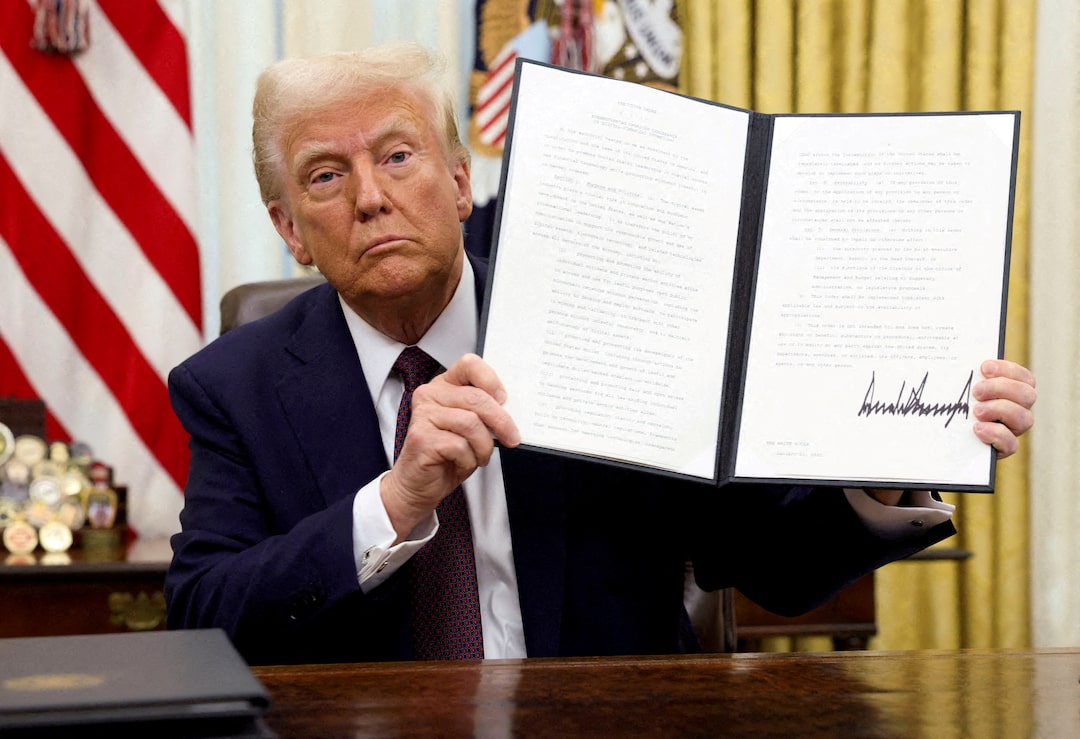
The U.S. government is estimated to hold approximately 200,000 BTC (~$18 billion). Crypto policy advisor David Sacks confirmed the details of this groundbreaking development.
The Bitcoin Reserve will serve as a long-term store of value, ensuring that seized BTC remains in government custody rather than being sold. Historically, the U.S. government’s past Bitcoin sales have resulted in losses exceeding $17 billion.
The Treasury and Commerce Departments have been authorized to explore budget-neutral strategies for acquiring additional Bitcoin, though direct tax-funded purchases are not allowed.
Additionally, the executive order establishes the U.S. Digital Asset Stockpile, which will house all non-Bitcoin digital assets seized by the government. Unlike Bitcoin, altcoins will not be actively accumulated, and their fate will be determined at a later stage.
Market Reaction: A Classic “Sell the News” Event
While the establishment of a national Bitcoin reserve is a significant step, the market’s reaction was mixed. Investors had long anticipated this move, leading to a sell-off once the news was confirmed.
Some traders misinterpreted the announcement, believing the government would immediately start purchasing Bitcoin, which was not the case.
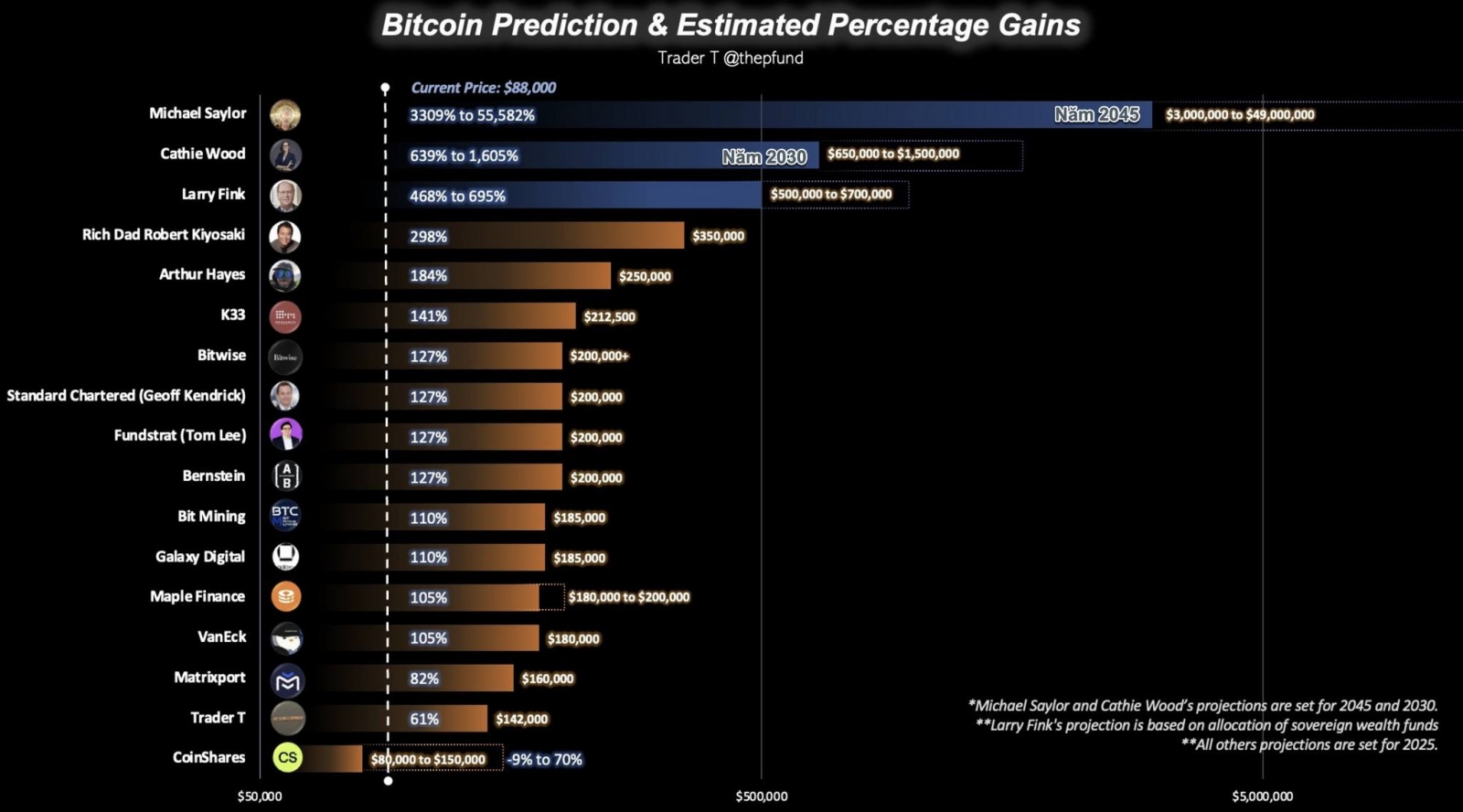
Key Takeaways from the Policy Shift
- The Bitcoin Reserve Fund officially exists and will hold the U.S. government’s BTC holdings indefinitely.
- The Treasury and Commerce Departments may consider additional Bitcoin purchases, but only through budget-neutral strategies.
- The U.S. Digital Asset Stockpile will manage seized altcoins, but there is no commitment to hold or accumulate additional non-BTC assets.
- The next step is the passage of Senator Cynthia Lummis’s Bitcoin Reserve Bill, which would enshrine this policy into law.
Texas Senate Approves State-Level Bitcoin Reserve
On the same day, the Texas Senate overwhelmingly passed the Strategic Bitcoin Reserve Bill (SB-21) by a vote of 25-5. The bill proposes that Texas establish its own Bitcoin reserve to strengthen its financial position.
If signed into law by the Texas governor, this would mark the first U.S. state to hold Bitcoin as a strategic asset.

The Next Phase in U.S. Bitcoin Policy
Trump’s executive order fulfills many of his pre-election crypto promises, including:
- The creation of a Bitcoin reserve to store the government’s BTC holdings.
- A commitment to hold, rather than sell, Bitcoin to prevent market instability.
- Crypto regulatory reform, including the resignation of SEC Chairman Gary Gensler.
- Ending the crackdown on crypto firms, with lawsuits against major exchanges being dropped.
At the time Trump made these promises, Bitcoin was trading at $65,000. Today, it sits at $88,000, reflecting the bullish sentiment fueled by these policy shifts.
While short-term volatility persists, the establishment of a U.S. Bitcoin reserve is a landmark moment that will shape the future of digital asset adoption at the government level.