This Week in Crypto Law
The opinion editorial below was written by Alex Forehand and Michael Handelsman for Kelman.Law.
We’re back after a week off. This week in crypto law may ultimately be remembered as a turning point in how governments view digital assets. Policymakers are no longer debating whether crypto belongs within the financial system—they are now actively determining how it will be regulated, integrated, and controlled. From major U.S. legislation and SEC policy shifts to escalating jurisdictional battles and national-security concerns, the legal framework surrounding digital assets continues to evolve rapidly.
Senate Committee Advances the CLARITY Act
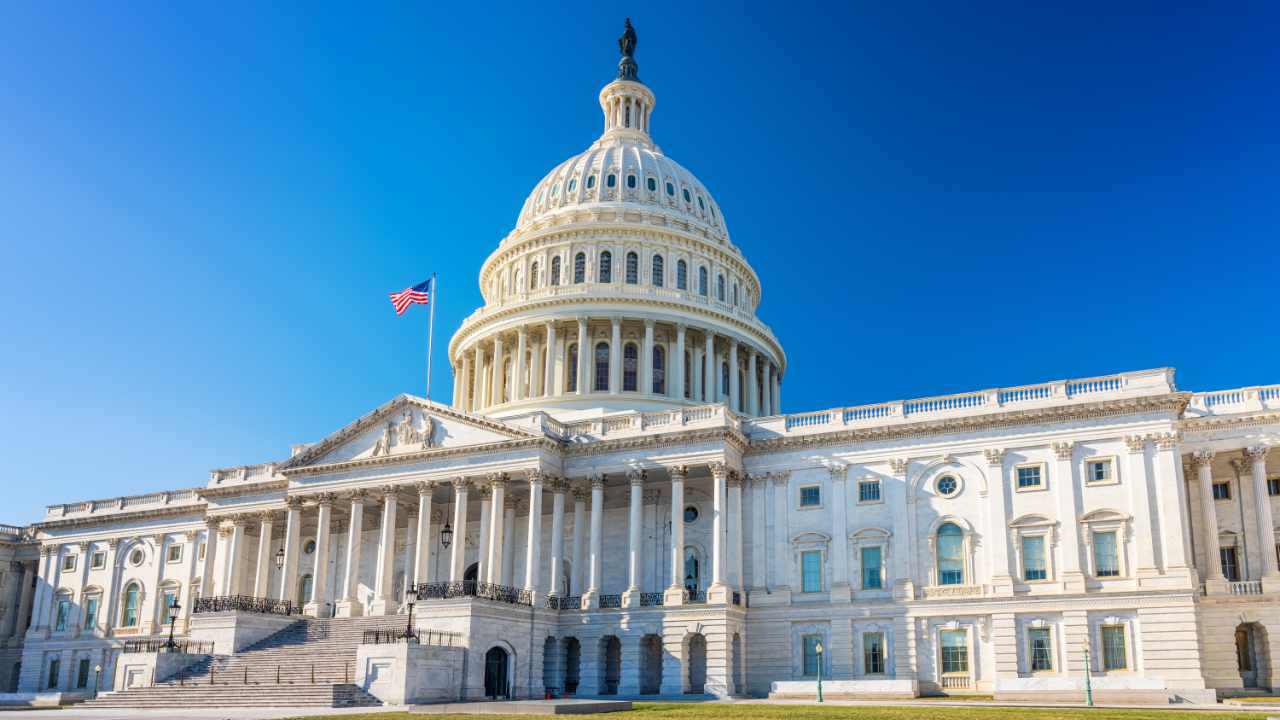
The United States Senate Banking Committee advanced the long-awaited CLARITY Act, marking one of the most significant legislative steps yet toward defining the regulatory status of digital assets. The legislation seeks to establish clearer lines between assets regulated as securities by the U.S. Securities and Exchange Commission and those treated as commodities under the Commodity Futures Trading Commission. After years of regulatory ambiguity, lawmakers appear focused on building a formal market structure framework. The debate is increasingly centered not on whether crypto should exist, but on which regulator controls which parts of the industry.
National Security Concerns Shape Crypto Oversight
A new Reuters investigation highlighted growing scrutiny over how crypto infrastructure intersects with sanctions enforcement, geopolitical activity, and cross-border fund flows. The report examined how exchanges, blockchain networks, and politically connected ventures may interact within broader global financial ecosystems. Crypto regulation is increasingly being driven by national security and sanctions concerns rather than purely financial regulation. Cross-border blockchain activity is drawing heightened attention from policymakers and enforcement agencies worldwide.
SEC Explores Trading of Tokenized Stocks
The U.S. Securities and Exchange Commission is reportedly preparing an “innovation exemption” framework that could permit trading of tokenized stocks on crypto platforms. If implemented, the proposal could allow blockchain-based trading of tokenized representations of traditional equities. This could represent one of the largest legal shifts yet between traditional securities markets and crypto infrastructure, signaling that regulators may be moving toward actively modernizing how securities trading functions.
CFTC Sues Minnesota Over Prediction Market Law
The Commodity Futures Trading Commission filed a federal lawsuit challenging a new Minnesota law that criminalizes operators and users of certain event-contract platforms. Federal regulators argue the state law interferes with the CFTC’s authority over federally regulated derivatives markets. The dispute further escalates the growing battle over federal preemption and control of prediction markets, an issue that may ultimately reshape jurisdictional boundaries in crypto-adjacent financial products.
Bitcoin Fog Appeal Raises Major Jurisdiction Questions
The United States Court of Appeals for the District of Columbia Circuit heard oral arguments in the appeal of Roman Sterlingov, whose conviction related to the crypto mixing service Bitcoin Fog. The defense argued that the government improperly manufactured venue by relying on D.C.-based undercover access to a foreign platform. The case raises fundamental questions about how far U.S. criminal jurisdiction extends over global crypto platforms and internet-based services operating outside the United States.
SEC Ends Decades-Old “No-Deny” Settlement Rule
The U.S. Securities and Exchange Commission officially rescinded Rule 202.5(e), ending the agency’s longstanding practice requiring settling defendants to refrain from publicly denying allegations. The policy had existed for more than fifty years and frequently applied in crypto enforcement settlements. Crypto defendants and other regulated entities may now settle enforcement actions while continuing to publicly criticize the agency’s claims, marking a substantial shift in settlement dynamics and public advocacy rights.
* * *
Staying informed and compliant in this evolving landscape is more critical than ever. Whether you are an investor, entrepreneur, or business involved in cryptocurrency, our team is here to help. We provide the legal counsel needed to navigate these exciting developments. If you believe we can assist, schedule a consultation here.
This Week in Crypto Law Archive:
This Week In Crypto Law (May 2, 2026)
This Week in Crypto Law (Apr. 26, 2026)
This Week in Crypto Law (Apr. 19, 2026)