Market Overview
On April 2, 2025, President Donald Trump’s long-awaited “Liberation Day” policy announcement rattled global markets. The declaration included sweeping tariff measures targeting numerous U.S. trade partners, some with effective duties as high as 54%. Markets responded with immediate volatility. U.S. equities opened lower and struggled throughout the day, though the major indices closed only slightly negative after some late-session buying. Futures, however, remained deep in the red.
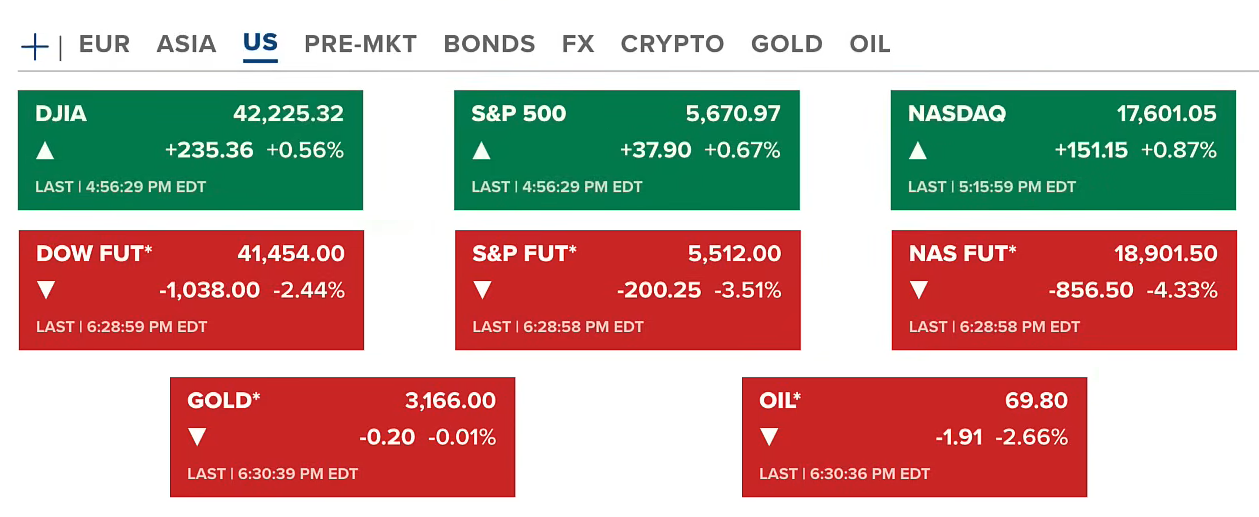
Gold adjusted slightly, settling at $3,166 per ounce, while crude oil eased to $69.8 per barrel. The ADP jobs report, which showed U.S. private payrolls increasing by 155,000 in March—well above February’s revised 84,000 and beating estimates—failed to calm market nerves, as macro uncertainty dominated investor sentiment.
Bitcoin and Crypto Market Reaction
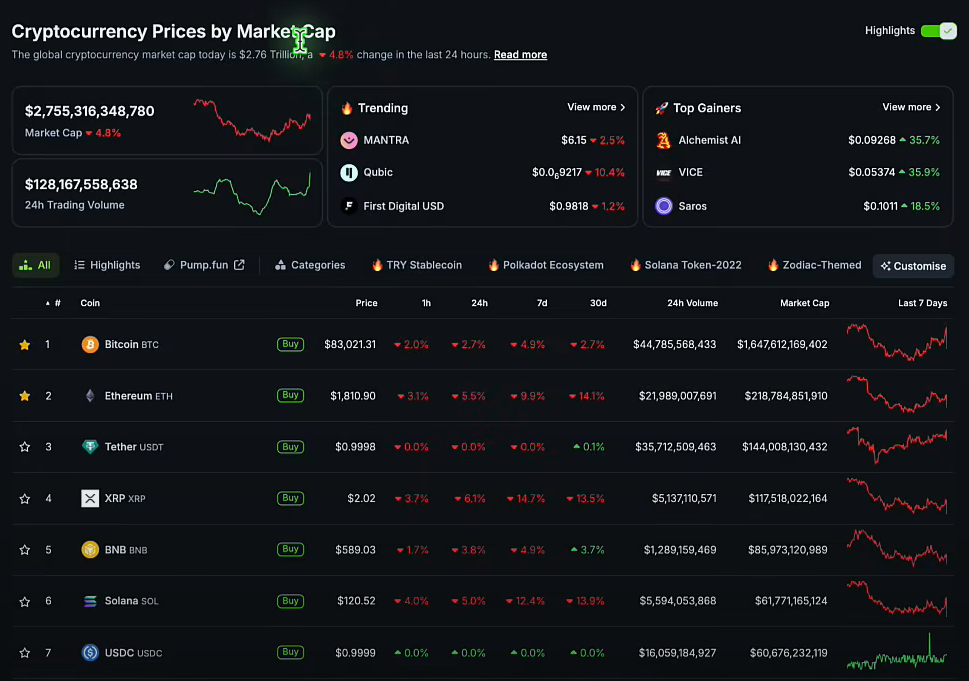
Bitcoin sank below $82,000 shortly after the tariff announcement before recovering to around $83,000. This wiped out several days of gains. The total crypto market capitalization dropped to $2.755 trillion. Altcoins mirrored Bitcoin’s correction, with most top tokens posting daily losses.
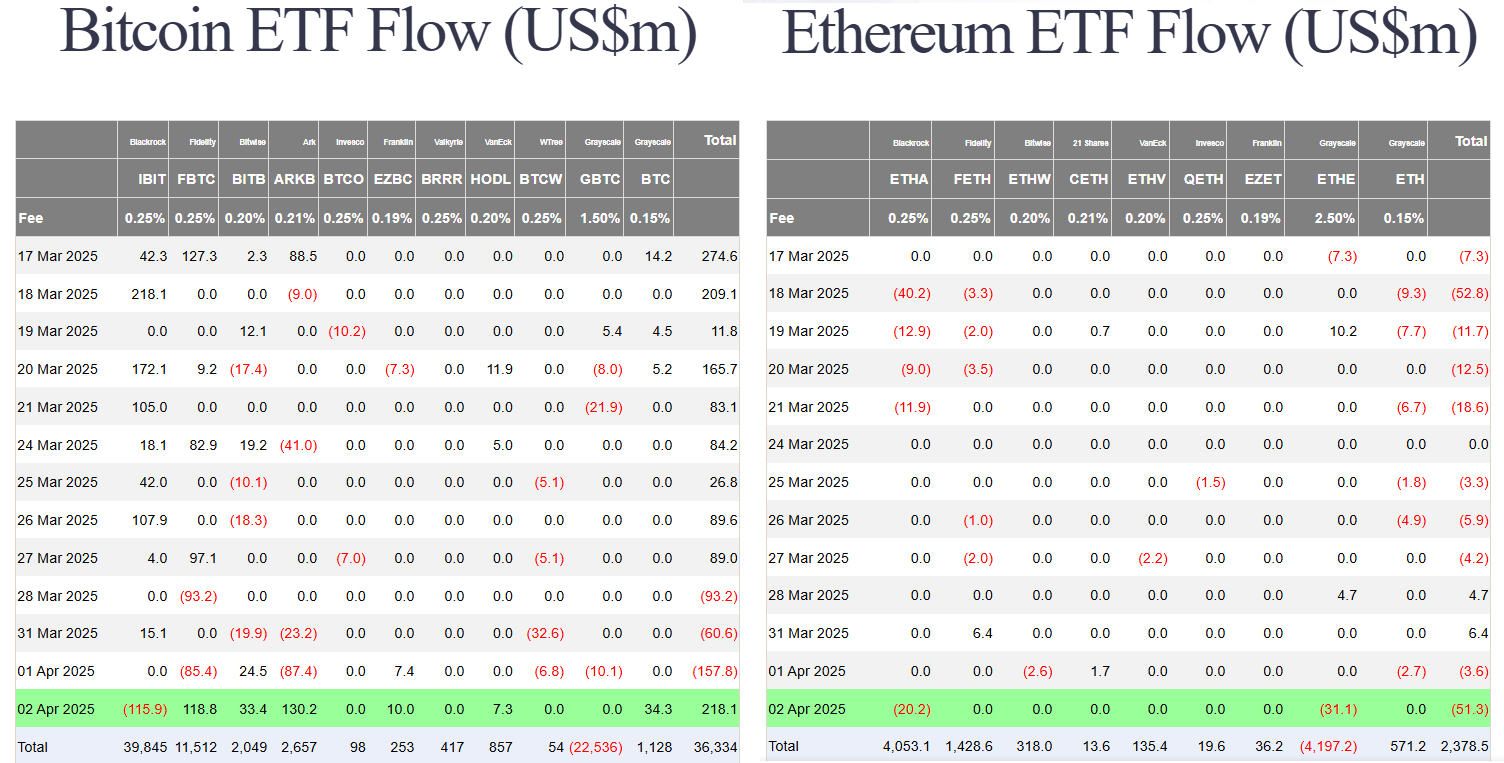
Despite the risk-off environment, U.S. spot Bitcoin ETFs recorded a net inflow of $218.1 million on April 2. Notably, while most BTC ETFs saw positive flows, BlackRock’s IBIT experienced $115.9 million in outflows. In contrast, ETH spot ETFs registered outflows of $51.3 million, continuing a trend of waning institutional interest in Ethereum products.
Trump’s Tariff Announcement: What We Know
President Trump justified the aggressive tariff measures by citing unfair treatment from both allies and rivals. He claimed the new tariffs are only “half as harsh” as those imposed on American goods abroad and positioned them as a “correction, not punishment.” He also announced the establishment of a Foreign Trade Tax Agency, tasked with managing imports and redistributing tariff revenue as domestic tax cuts.
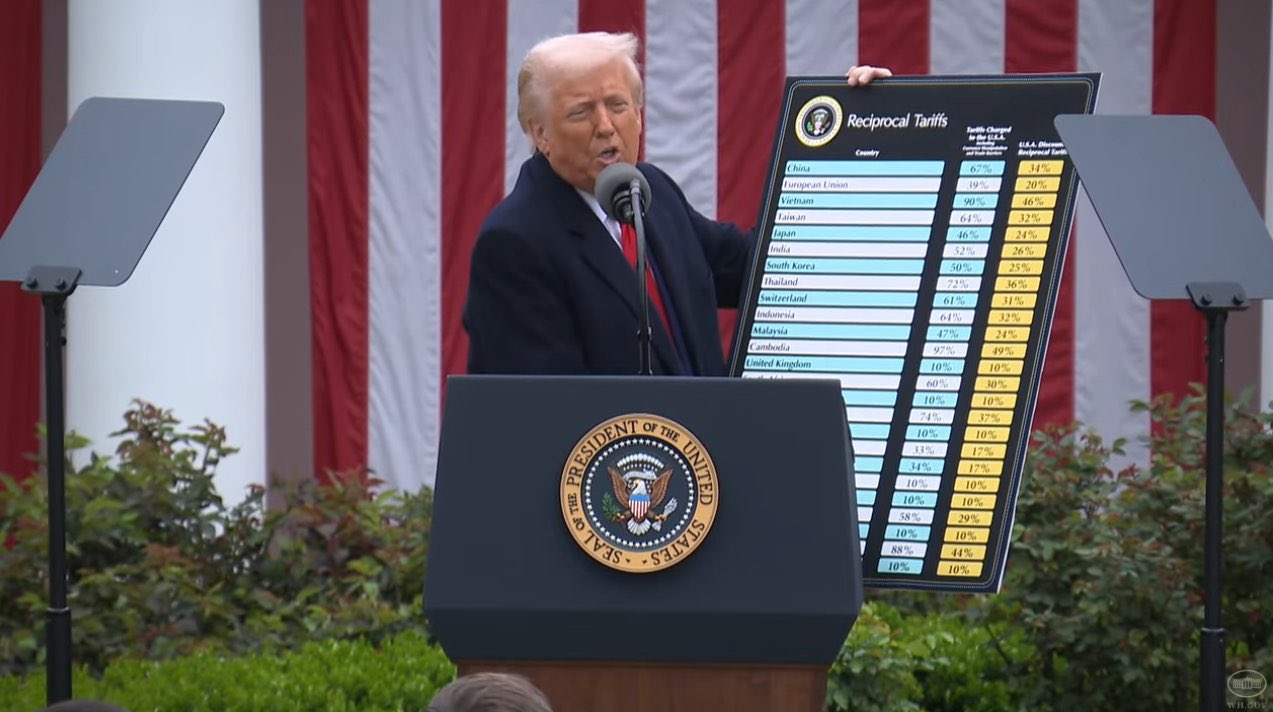
The new tariffs, effective April 3 (U.S. time), target nations with low labor costs and high export volumes to the U.S. Notably, Canada and Mexico were spared. Canada expressed willingness to remove all retaliatory tariffs if the U.S. deescalates, while Mexico pledged non-retaliation.
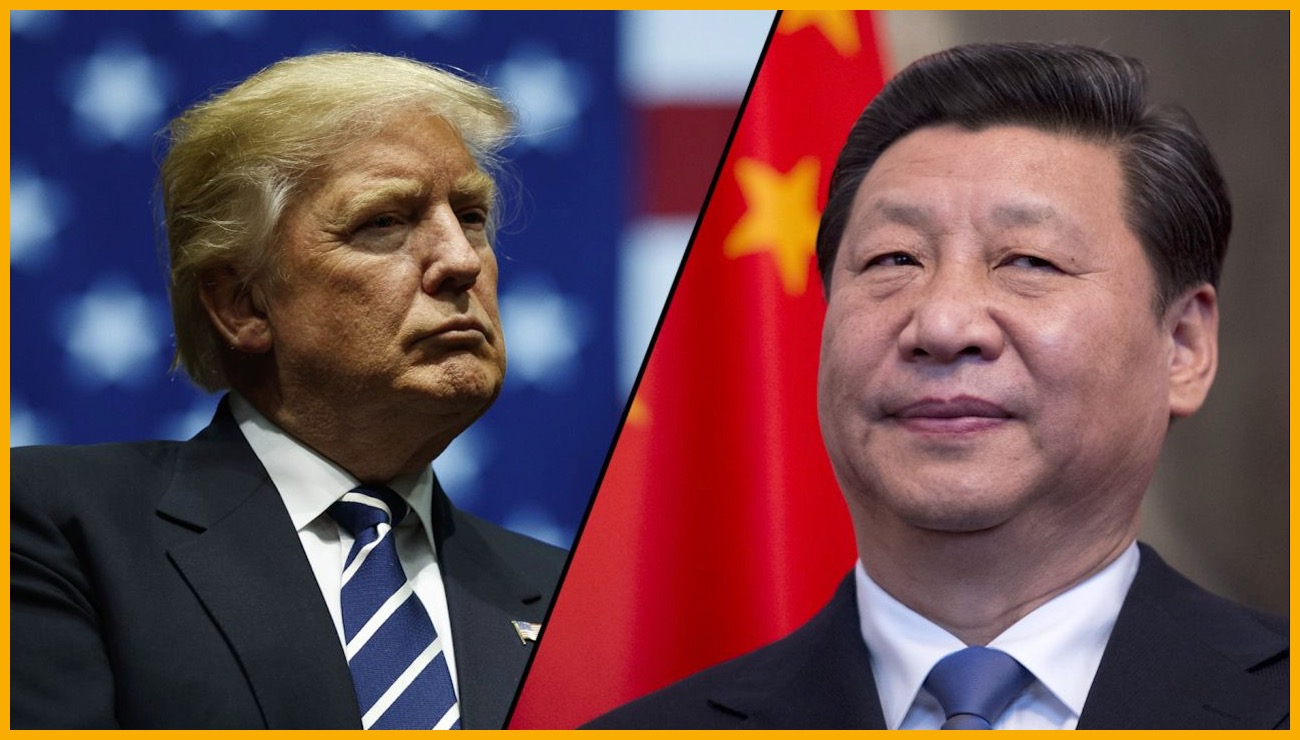
However, China responded differently. Beijing announced restrictions on outbound investment into U.S. assets and instructed economic planning departments to halt approvals for new U.S.-targeted projects. Washington’s new 34% tariff on China—on top of an existing 20%—raises the total to 54%, sending a strong signal ahead of potential negotiations.
Global Economic Risk
Markets are now pricing in prolonged trade tensions. While the White House hopes these tariffs will be temporary leverage, the economic consequences are real. Given the globalized nature of supply chains, prolonged trade disruption could trigger ripple effects across manufacturing, employment, and capital markets.
Trump’s approach reflects a calculated bet that short-term volatility is tolerable if it secures long-term trade reform. But in the interim, the uncertainty is palpable. The Dow, S&P 500, and Nasdaq all posted their worst quarterly performance since 2002, underlining the seriousness of the current moment.
Crypto Legislation and Political Support in the U.S.
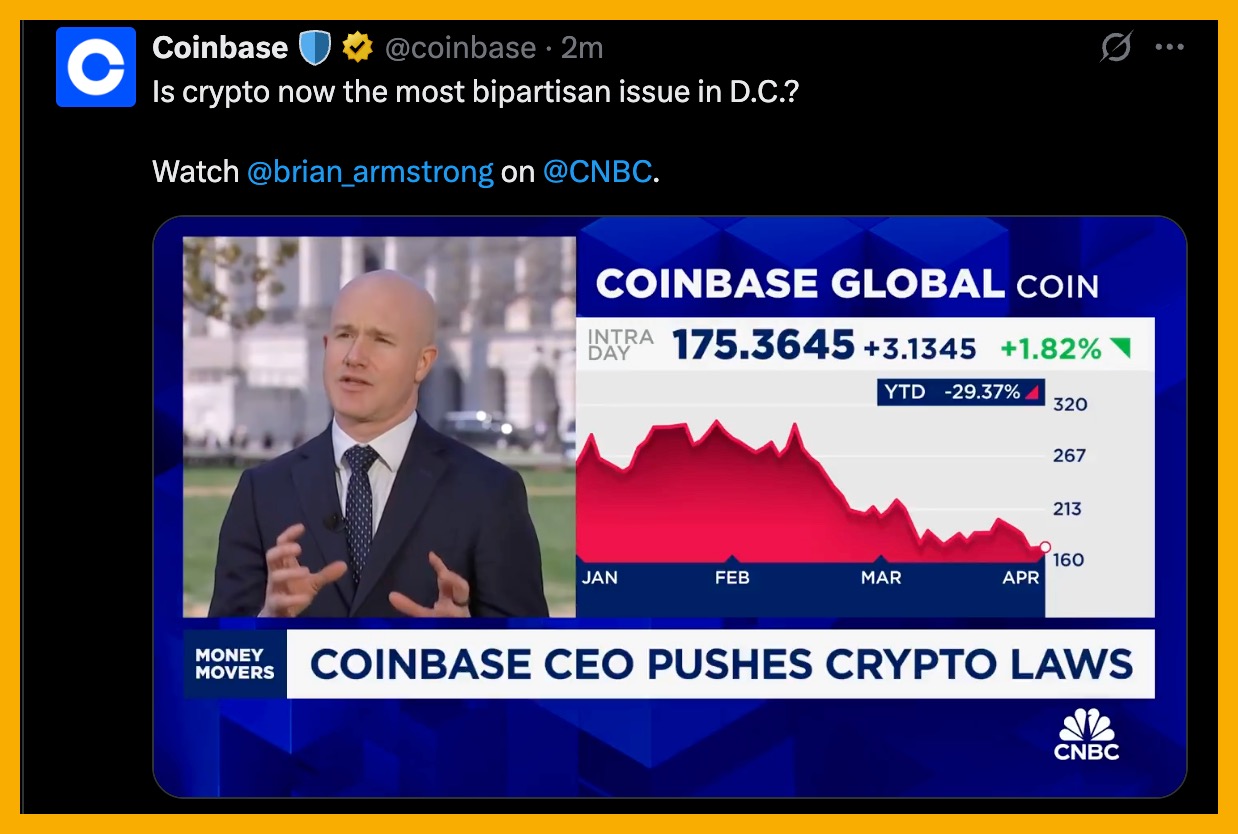
While markets digested Trump’s tariff shock, crypto regulation saw notable progress. Coinbase CEO Brian Armstrong stated that bipartisan support for stablecoin regulation in Washington D.C. is “stronger than ever.” Stablecoin issuers are now among the top buyers of U.S. Treasuries, further aligning their interests with government policy.
Across the U.S., states continue advancing Bitcoin reserve proposals. Minnesota and Alabama introduced legislation to allow direct BTC investments by the state. South Carolina proposed allocating up to 10% of its treasury in digital assets. Texas and Oklahoma passed similar bills through their lower houses. In total, 47 bills relating to Bitcoin have been proposed across 26 states—41 remain active.
At the federal level, the SEC’s posture has softened since former chair Gary Gensler’s departure. The agency recently requested a 60-day delay in its lawsuit against Gemini, hinting at a possible settlement. The case stems from the now-defunct Gemini Earn program.
Additional Updates from the Crypto and Tech Landscape
Tesla shares surged following rumors Elon Musk might exit his role in the Department of Government Efficiency (DOGE), despite the company’s weak Q1 earnings. White House officials called the reports “baseless,” confirming Musk will remain in his role until his responsibilities are complete.
Meanwhile, the founder of OnlyFans, Tim Stokely, partnered with Zoop and the HBAR Foundation to submit a bid for TikTok. Trump later hinted he may reduce tariffs on China as part of a potential TikTok agreement.
Franklin Templeton is preparing a crypto ETP launch in Europe, following BlackRock’s footsteps, while Fidelity announced a zero-fee IRA account allowing direct crypto investments.
In Asia, Japan’s Metaplanet acquired an additional 160 BTC, bringing its total holdings to 4,206 BTC. Another Japanese firm, Enish, revealed a new ¥100 million Bitcoin investment. Sony Electronics Singapore now accepts USDC via Crypto.com, marking another big step for retail crypto adoption.
FDUSD briefly lost its $1 peg, falling to $0.8726 amid bankruptcy rumors. Wintermute capitalized by withdrawing over 31 million FDUSD from Binance, reportedly netting $3 million in arbitrage profit.
Bybit announced it will sunset its NFT Marketplace, IDO, and Inscription services by April 8, as part of a broader realignment of its Web3 strategy.
Global Market Implications
Trump’s aggressive tariffs mark a turning point in global trade relations. While some view it as a bargaining chip, others worry about long-term fragmentation of supply chains. The reaction from global markets has been swift—equities fell, gold rallied, and crypto faced renewed pressure. However, ETF inflows and state-level Bitcoin adoption in the U.S. indicate that the long-term trajectory for digital assets remains intact.
As “Liberation Day” policies take effect, investors are bracing for more volatility. But amid the chaos, crypto continues gaining ground, both politically and institutionally.
Disclaimer
This article is for informational purposes only and does not constitute financial advice. Readers should consult with a professional advisor before making investment decisions.