The Trump-Zelenskyy Clash and Its Market Impact
On Friday, February 28, global financial markets experienced one of the most dramatic reversals seen this year. The initial market reaction was negative, with S&P 500 futures falling by 0.2-0.4% after former U.S. President Donald Trump publicly criticized Ukrainian President Volodymyr Zelenskyy at the White House. This geopolitical tension initially spooked investors, leading to a spike in the VIX (Volatility Index), which surpassed 23, marking a 35%+ intraday surge.

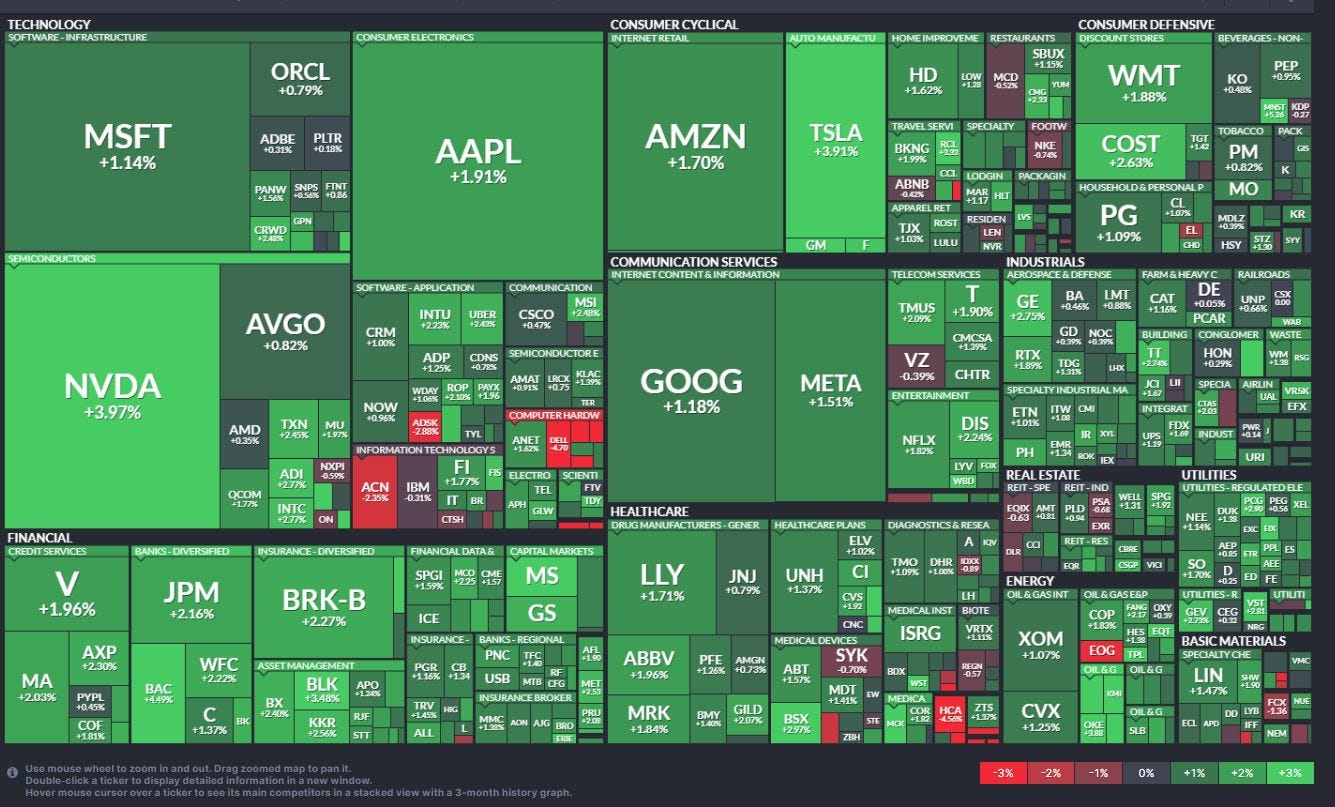
However, by the end of the trading session, the market had not only recovered but closed significantly higher. The S&P 500, Nasdaq, and Dow Jones all ended in the green, defying concerns about geopolitical instability.

Understanding the Market Reversal: Liquidity and Short Covering
Despite the initial sell-off, investors quickly dismissed the geopolitical drama, refocusing on macro fundamentals and liquidity trends. The rebound was driven by a combination of short-covering, systematic rebalancing, and improved economic data.

The sharp drop in the VIX—from above 23 to below 20—suggested that risk aversion was short-lived. This indicates that despite the dramatic political headlines, institutional investors viewed the market drawdown as an opportunity to reposition portfolios.

Several key factors contributed to this unexpected rally:
- Core PCE Data Supported Rate Cut Expectations
The Personal Consumption Expenditures (PCE) index, a key inflation measure used by the Federal Reserve, showed a 0.3% month-over-month increase in January, slightly higher than the 0.2% rise in December. However, real personal spending fell by 0.5%, signaling weaker consumer demand. - This weaker-than-expected spending data reassured markets that inflation was not accelerating out of control, reinforcing expectations that the Fed may need to cut interest rates multiple times in 2025. This optimism helped stocks rebound sharply in the afternoon.
- Short-Covering and Systematic Rebalancing
The market rally was partially fueled by a short-covering squeeze, where traders who had bet on a further decline were forced to buy back stocks to cover their positions. Additionally, end-of-month portfolio rebalancing drove institutional capital back into equities, particularly in large-cap tech names. - Nvidia surged by 4%, while Tesla gained 3.9%, leading the late-session rally.
- Declining Treasury Yields Eased Tightening Concerns
A decline in U.S. Treasury yields helped reduce fears of a liquidity squeeze in financial markets. Lower yields made stocks and risk assets more attractive, supporting the rally in equities and crypto. - Long-Term Optimism on U.S.-Ukraine Relations
Despite the public clash between Trump and Zelenskyy, market participants maintained a long-term view that economic cooperation between the U.S. and Ukraine would persist. The Ukraine-U.S. mineral trade deal, if finalized, could unlock new growth opportunities, reinforcing investor confidence.
U.S. Market Risks: Is the Optimism Sustainable?
Despite Friday’s strong recovery, institutional investors remain cautious about the broader economic landscape. Several investment banks have downgraded their U.S. stock market outlook from “Buy” to “Neutral”, advising long-term investors to hold but not aggressively buy at current levels.

Several key risk factors remain:
- Potential Trade War with the EU and China
Trump’s recent proposal to impose a 25% tariff on European imports has raised concerns about global trade tensions, which could hurt corporate earnings and dampen economic growth. - Slowing U.S. GDP Growth
The Atlanta Fed’s GDP forecast suggests slower economic expansion in Q1 2025, indicating that the post-pandemic growth cycle is losing momentum. - Earnings Growth Deceleration
While Q4 earnings reports were strong, analysts expect slower profit growth in 2025, which could pressure stock valuations. U.S. equities are currently trading at historically high multiples, making them vulnerable to any economic slowdown.
Bitcoin’s Recent Decline: What’s Behind the Sell-Off?

Bitcoin, which had been rallying since early 2024, saw a sharp pullback last week, with prices dropping nearly 15% from recent highs. Bloomberg analyzed the key reasons behind the decline, citing:
- Macroeconomic Uncertainty and Rate Expectations
Investors reduced exposure to risk assets, including crypto, as economic data showed slowing growth but persistent inflation. This has created uncertainty about the Federal Reserve’s future rate cuts, reducing risk appetite. - Bybit Exchange Hack
The security breach at Bybit, a major crypto exchange, led to $20 million in user fund losses, shaking investor confidence and triggering panic selling among retail traders. - Large Bitcoin ETF Outflows
Institutional investors have been pulling capital out of Bitcoin ETFs, with a record $3 billion in outflows over the past week. BlackRock’s IBIT ETF alone saw $420 million in redemptions on February 26, further pressuring prices. - Unwinding of Basis Trades
Many hedge funds had been long Bitcoin spot ETFs while shorting Bitcoin futures to capture arbitrage profits. As market sentiment weakened, funds closed these trades, leading to forced selling in spot Bitcoin markets. - Declining Futures Premiums
The premium on Bitcoin futures contracts has been shrinking, reducing incentives for leveraged traders to hold long positions. This structural shift has contributed to a cooling in speculative activity.
Despite the near-term weakness, long-term holders remain unshaken, with on-chain data showing that accumulation by whales and institutions continues.

Crypto Market Rotation: Institutional Risk-Off Mode
Another important trend has emerged—institutional capital is rotating out of high-risk assets, including growth stocks and crypto.
- U.S. equities are underperforming European and Chinese markets, signaling that investors are diversifying away from U.S. assets.
- Growth stocks, which led 2023’s rally, are losing steam, as funds shift towards value and defensive sectors.
- Crypto markets have also seen reduced inflows from institutions, reflecting a temporary risk-off sentiment.
This suggests that capital allocation strategies are shifting, with institutions waiting for clearer signals before re-entering high-growth sectors.
Looking Ahead: Key Themes for 2025
- U.S. Markets Need a “Risk-Off Reset”
If a significant market correction occurs, it could create a better entry point for long-term investors. However, without a major de-risking event, institutional capital may remain on the sidelines. - Bitcoin’s Institutional Integration Is Evolving
The recent pullback in Bitcoin does not change the larger narrative of institutional adoption. BlackRock, Fidelity, and major financial firms are still committed to long-term Bitcoin investments. - Trump’s Policy Shifts Could Drive Market Volatility
Trump’s economic policies, including trade tariffs, tax cuts, and regulatory changes, will play a major role in shaping market sentiment throughout 2025. - Crypto Market Structure Is Maturing
Institutional investors are increasingly using ETFs, futures, and structured products rather than direct Bitcoin purchases. This change in market mechanics could impact price dynamics in the future.