
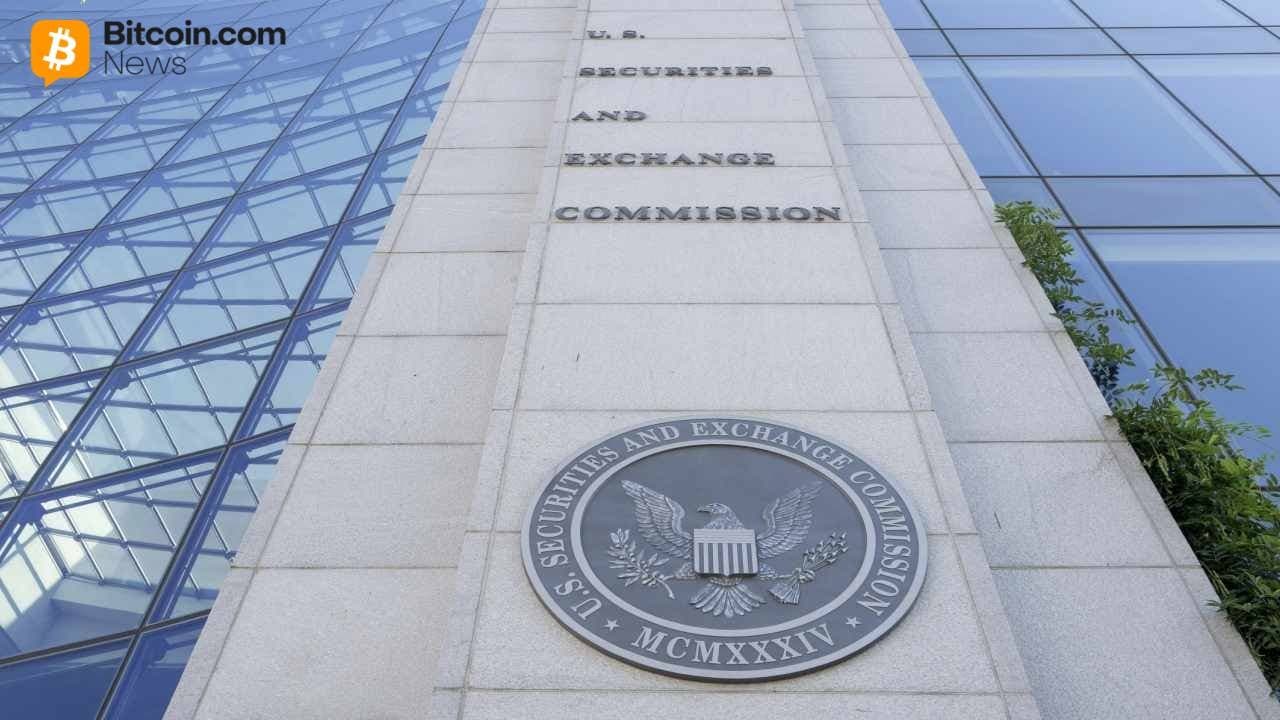
SEC Proposal Targeting OTC Equity Trading Sparks New Crypto Regulation Debate
U.S. regulators are seeking to clarify the scope of a longstanding rule governing over-the-counter (OTC) securities markets. On March 16, the Securities and Exchange Commission (SEC) proposed amendments to Exchange Act Rule 15c2-11, which regulates how broker-dealers publish quotations for securities traded outside national exchanges. The proposal would restrict the rule’s scope to equity securities, addressing uncertainty about whether it could apply to other asset classes.
The SEC stated:
“The proposed amendments would amend Rule 15c2-11 to refer to only equity securities.”
Rule 15c2-11 sets out information gathering and review requirements for broker-dealers that publish quotations for, or maintain a continuous quoted market in, securities in the OTC market. Before initiating or maintaining quotations, broker-dealers must review issuer information and confirm that certain disclosures are publicly available. The framework is designed to reduce manipulation and fraud in thinly traded securities.
Adopted in 1971, Rule 15c2-11 has primarily governed microcap and unlisted equities trading outside national exchanges. Amendments adopted in 2020 strengthened disclosure standards and updated quotation requirements to improve transparency in OTC markets.
SEC Chairman Paul S. Atkins noted that the proposal would clarify regulatory obligations when publishing quotations and reaffirm the rule’s intended scope. Atkins stated:
“Regulations should be appropriately tailored to fit the asset class to which they apply.”
Discussion Emerges Over Crypto Assets and Debt Markets
Commissioner Hester M. Peirce explained that market participants had long understood the rule to apply only to quotations of over-the-counter equity securities, despite the rule’s broader reference to “securities.”
Discussion intensified after the SEC’s 2020 amendments when regulators indicated the rule might extend to fixed-income instruments. Market participants warned that applying the framework to debt markets could disrupt liquidity because many provisions were designed for equity disclosures.
The proposal also invites comment on how the rule may intersect with digital assets. Peirce wrote:
“I am particularly interested in commenters’ views as to the questions about the definition of ‘equity security,’ the rule’s application to crypto assets, and the appropriate next steps with respect to the formation of an ‘expert market.’”
Digital assets have increasingly entered regulatory discussions as some tokens could potentially be classified as securities under U.S. law. Whether existing disclosure frameworks designed for equities should apply in those cases remains an open policy question.
The SEC stated the comment period will remain open for 60 days after publication of the proposal in the Federal Register. Industry participants are expected to provide feedback on definitions of equity securities, digital asset treatment, and the future role of the expert market.
FAQ 🧭
- Why does the SEC want to limit Rule 15c2-11 to equity securities?
Regulators aim to remove uncertainty and confirm the rule governs OTC equity quotations rather than broader asset classes. - How could the proposal affect liquidity in debt markets?
Market participants warned applying equity-style disclosure rules to debt markets could disrupt trading liquidity. - Why are crypto assets mentioned in the SEC proposal?
Officials are seeking feedback on whether digital tokens classified as securities should fall under the rule. - What should investors watch during the SEC comment period?
Feedback from industry could shape how OTC markets, crypto assets, and disclosure rules evolve.