In the evolving world of cryptocurrency, token sales are a pivotal way for projects to raise funds and for investors to discover early opportunities. Recently, Arbitrum became one of the hottest names in the crypto market, with notable token sales from projects like Camelot DEX, which raised over $30M through launchpad sales. But what are the types of token sales, and how do they work?
This blog will break down the 8 most common types of token sales you should know before investing.
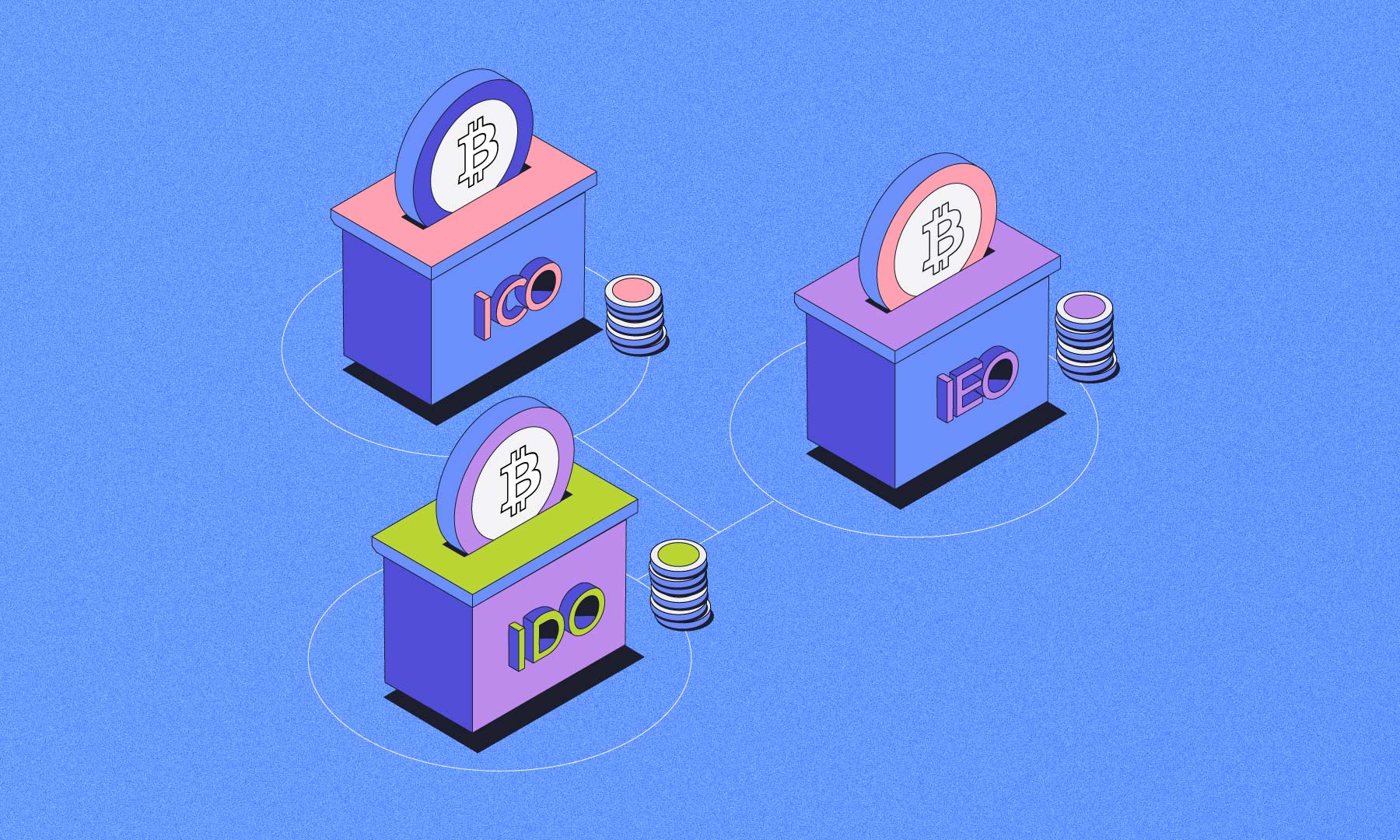
1. ICO vs. IEO vs. IDO: What Are They?
ICO (Initial Coin Offering), IEO (Initial Exchange Offering), and IDO (Initial DEX Offering) are the traditional methods of raising funds through token sales.
- ICO: Tokens are sold directly to investors, usually on the project’s own platform.
- IEO: Token sales are facilitated by a cryptocurrency exchange.
- IDO: Tokens are launched and sold on a decentralized exchange (DEX), offering a more decentralized approach.
Of these, IDOs are gaining popularity because of their decentralized nature and their ability to create a sustainable growth model for the token.
2. Key Terminologies in Token Sales
Understanding some key terminologies is crucial when navigating token sales:
- Hard cap: The maximum amount of funds the project aims to raise.
- Soft cap: The minimum amount of funds the project needs to raise to proceed.
- Vesting: The process of gradually releasing tokens to investors over time.
- Lockup: The period during which tokens cannot be traded or transferred.
3. Stages of Token Sales
Token sales generally take place in three stages:
- Presale: Early supporters and strategic partners can purchase tokens at a discounted rate.
- Private Sale: Usually reserved for institutional investors or those with large capital.
- Public Sale: The final stage where tokens are sold to the public, followed by listing on secondary markets (exchanges).
4. Capped Sales
In a capped sale, a specific number of tokens are sold at a fixed price, aiming to raise a certain amount of funds.
This is the most straightforward type of token sale, often seen in ICOs and IEOs.
5. Capped: Auctions
There are two main types of auctions used in token sales:
I. Blind Auction
In a blind auction, bidders submit their offers privately without knowing the bids of others. The token price is set based on the lowest winning bid.
For example:
- Project A aims to raise $50K.
- Buyer A bids $10K for 10K tokens at $1/token.
- Buyer B bids $20K for 10K tokens at $2/token.
- Buyer C bids $30K for 100K tokens at $0.30/token.
- Buyer D bids $25K for 50K tokens at $0.50/token.
Buyers A, B, and D win the auction, with the final token price set at $0.50 (the lowest winning bid).
Blind auctions are less common due to their lack of transparency and the possibility of market manipulation.
II. Dutch Auction
In a Dutch auction, the token price starts high and decreases gradually until all tokens are sold or the auction ends. This creates a fairer distribution but can lead to market unpredictability.
6. Capped: Oversubscription
In an oversubscribed sale, the amount raised exceeds the original funding goal, but participants only receive a proportional allocation of tokens.
For example:
- Project A aims to raise $1M, but $2M is raised in total.
- Buyers will only receive 50% of their expected token allocation, and the remaining funds are refunded.
7. Uncapped Sales
In uncapped sales, there is no limit to the number of tokens sold or the amount of funds raised during the sale period. Buyers can purchase as many tokens as they want at a fixed price.
An example is Filecoin, which raised over $200M during an uncapped ICO.
However, uncapped sales are often criticized as “greedy” and can lead to a token oversupply, potentially harming the token’s value post-launch.
8. Uncapped: Fair Launch
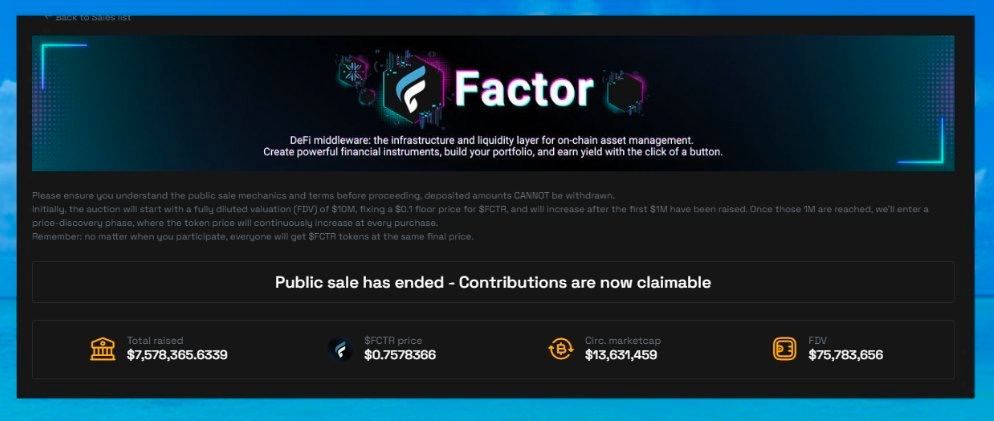
A fair launch distributes tokens evenly to all participants, preventing large investors from gaining an unfair advantage. This method was used by Factor DAO, which raised $7.5M on Camelot’s fair launch platform.
Fair launches have gained popularity for their egalitarian approach, ensuring smaller investors get a fair shot at purchasing tokens.
Conclusion: Why Understanding Token Sales is Critical
Understanding the different types of token sales and the stages involved gives investors a clear insight into the potential risks and rewards. Whether you’re participating in an ICO, IDO, or Dutch Auction, knowing the project’s hard cap, vesting schedule, and distribution method helps you assess whether you’re in for a profitable or risky investment.
By knowing these aspects, you can make more informed decisions when participating in the next token sale opportunity.