A Bullish Take on Great-Power Rivalry
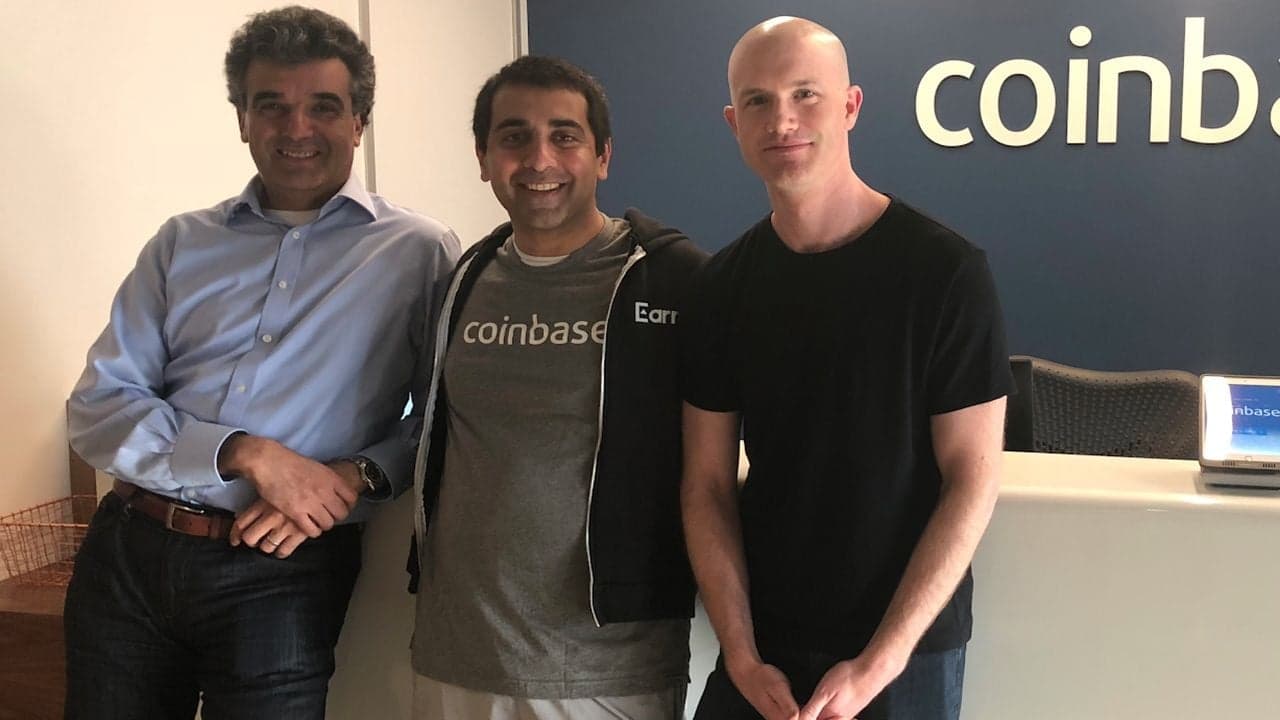
Brian Armstrong, chief executive of the largest U.S. crypto exchange, framed the intensifying contest with China as an opportunity rather than a threat, adding:
“Competition with China might be the best thing to happen to America since the cold war. We’ve been leading the world for so long, but we got a bit complacent. Competition breeds excellence.”
Over the past year, Armstrong has spent a lot of his time casting digital-asset policy as a matter of national competitiveness, warning that if the U.S. hobbles its own crypto and stablecoin industries, the advantage will undoubtedly flow to rivals. He has also argued that a ban on interest-bearing stablecoins would simply hand ground to China’s central bank digital currency (CBDC) and to offshore tokens already operating outside U.S. rules.
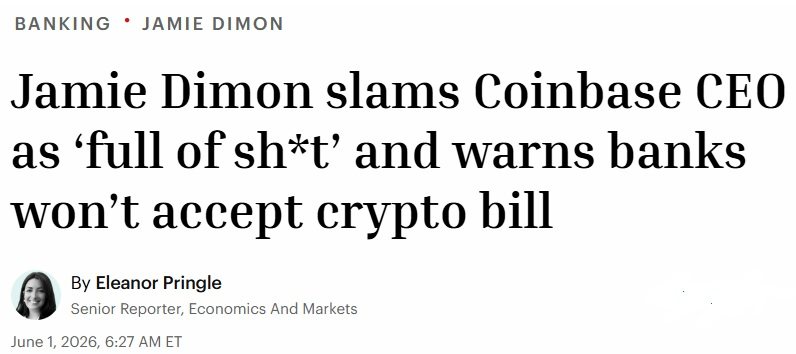
The push to pass comprehensive crypto market-structure legislation has pitted the industry against parts of the traditional banking sector, and the rhetoric has turned personal. Earlier this month, JPMorgan chief Jamie Dimon blasted Armstrong in unusually blunt terms, calling him “full of shit.”
On the other hand, Armstrong has continued accusing big banks of trying to “kill the competition” through regulation rather than out-innovating newer rivals.
The China argument is the industry’s most potent talking point in that fight because by recasting domestic crypto rules as a front in the U.S.-China contest, Armstrong and his allies aim to reframe lighter regulation as a matter of patriotism. It is a message that has found a receptive audience in Washington as President Trump met with Armstrong before publicly pressing lawmakers on crypto legislation, suggesting how closely the exchange has aligned itself with the administration’s agenda.
Why Armstrong Keeps Returning to China
For Armstrong, invoking China serves a strategic purpose beyond geopolitics as it elevates Coinbase’s commercial interests into questions of national security and economic leadership, a framing that resonates across party lines in a way that narrow industry lobbying does not.
Bitcoin.com News reported on his list of areas where he believes global finance still needs an update, and his push to position Coinbase’s Base network as core financial infrastructure, both of which benefit from a narrative of urgent national competition.
However, critics argue that wrapping a private company’s policy wishlist in the flag oversimplifies complex tradeoffs around consumer protection and financial stability. Coinbase itself has sparred with regulators in the past, with the SEC having threatened to sue the exchange, a clash Armstrong answered head-on.
That said, tying the company’s fortunes so tightly to a single political moment can cut both ways if the winds in Washington shift.
What’s Next
Armstrong’s China line is likely to feature heavily as the legislative fight reaches its decisive phase. With market-structure rules still unsettled and banks pushing back hard, expect the competitiveness argument to recur in hearings, op-eds and the exchange’s own messaging. Coinbase, which has reminded the public that its financials are open and that it safeguards millions of BTC on its platform, has both the scale and the incentive to keep the pressure on.
Whether the rivalry narrative delivers the policy outcomes Armstrong wants remains an open question, but his message is consistent regardless, i.e. the U.S. has grown complacent and competition is the only cure. For an industry seeking friendly rules, recasting the debate around China may prove its most durable strategy yet.