
A “ Crypto Arbitrage” Operation Built on a Lie
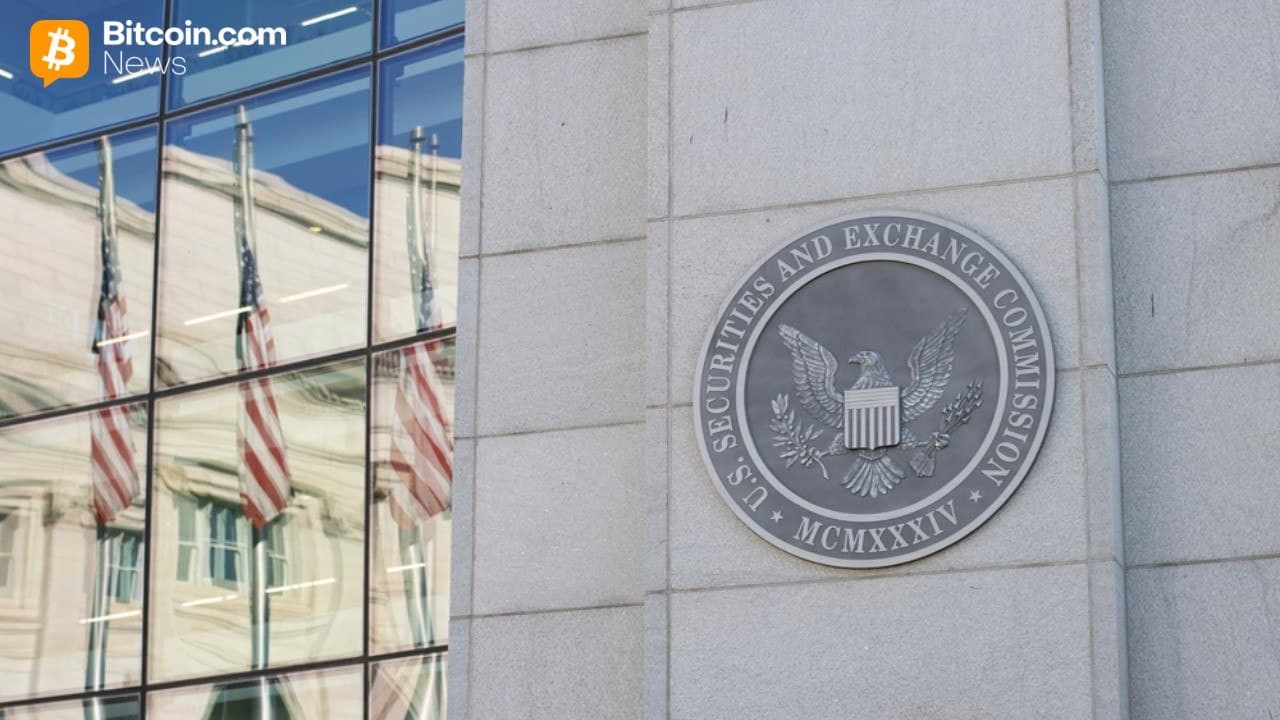
According to a complaint filed on May 29, the Securities and Exchange Commission (SEC) has accused Nathan Fuller of running the scheme through Privvy Investments LLC and the assumed names Privvy Investments and Gateway Digital Investments. From at least October 2022 through mid-2024, Fuller allegedly sold passive joint-venture interests in what he described as a crypto arbitrage operation powered by proprietary artificial-intelligence (AI) trading bots.

Those bots, Fuller told investors, could scan crypto markets around the clock, execute high-frequency arbitrage trades, and cap losses with stop-loss code. The pitch came with eye-catching promises of returns ranging between 40% to 50% within 30 to 45 days (and in some cases more than 100% in under a month). In reality, the SEC says, the bots were neither artificial intelligence nor functional trading software.
The regulator’s account of the cash flow is stark. Of the $12.3 million Fuller raised from roughly 150 investors, only about $380,000 (roughly 3%) was ever used to buy crypto, and those trades were made without the advertised bots and generated no profit. The rest, the SEC alleges, was diverted.
Where the Money Actually Went
Fuller is accused of misappropriating at least $6.2 million for personal use, including buying a home and spending on gambling, travel, and vehicles. Another $5.5 million allegedly went toward Ponzi-like payments, using fresh investor deposits to pay earlier backers, the classic mechanic that keeps such schemes alive until new money dries up.
When investors began asking to withdraw funds, the SEC says Fuller leaned further into deception. He allegedly produced fabricated account statements showing fictitious gains, referenced entities that did not exist, and even used AI to generate a letter from a purported auditing firm claiming that investor accounts were under review and would later be liquidated into a trust.
The case aligns with a broader pattern that regulators have flagged repeatedly in 2026, as fraudsters have bolted fashionable “AI” branding onto old-fashioned investment scams. Last year, Bitcoin.com News reported on the SEC targeting an alleged AI trading kingpin behind a $198 million global Ponzi scheme. Prior to that, the regulatory body charged four people over a $295 million global crypto Ponzi scheme that duped more than 100,000 investors.
Against that backdrop, the Privvy complaint is comparatively small in dollar terms but emblematic of the AI angle examiners are now scrutinizing.
What the Charges Mean
The SEC charged Fuller with violating the registration and antifraud provisions of federal securities laws. It is seeking permanent injunctions to bar him from future violations, disgorgement of ill-gotten gains plus interest, and civil penalties. Such cases can also run in parallel with criminal investigations, though the complaint itself is a civil action.
For investors, the episode is a reminder that promises of guaranteed double-digit monthly returns, especially when wrapped in opaque references to proprietary algorithms, remain among the most reliable red flags in finance. The “AI trading bot” label has become a favored prop precisely because it is difficult for retail backers to verify and easy to dress up with technical jargon.
The matter now moves through the federal court system, where Fuller will have an opportunity to respond to the allegations. If the SEC prevails, the remedies could include returning money to defrauded investors, though recoveries in Ponzi cases are frequently a fraction of the losses once funds have been spent.