What are Gas Fees?
Gas fees are transaction costs incurred when conducting transactions on blockchain networks like Ethereum. They are essential to incentivize miners or validators to process and verify transactions. Think of them as a tip paid to the network’s workers.
Why are Gas Fees Necessary?
- Network Security: Gas fees deter malicious actors from spamming the network with fraudulent transactions.
- Resource Allocation: They help allocate network resources efficiently, ensuring that important transactions are prioritized.
- Miner Rewards: Gas fees compensate miners for their computational power and energy consumption in processing transactions.
How are Gas Fees Calculated?
Gas fees are determined by two primary factors:
- Gas Limit: This represents the maximum amount of computational work a transaction requires. More complex transactions, like smart contract interactions, have higher gas limits.
- Gas Price: This is the amount of cryptocurrency paid per unit of gas. Higher gas prices increase the likelihood of a transaction being processed quickly.
Websites such as EtherScan tracks gas fees. https://etherscan.io/gastracker for Ethereum transactions
Factors Affecting Gas Fees

- Network Congestion: When the network is busy, demand for processing power increases, leading to higher gas fees.
- Complexity of Transactions: More complex transactions, such as smart contract interactions, require more computational resources and thus higher gas fees.
- Currency Price: The price of the cryptocurrency used to pay gas fees can influence the overall cost of transactions.
Optimizing Gas Fees
Here are some tips to minimize gas fees:
- Choose Off-Peak Times: Conduct transactions during periods of low network activity to avoid higher fees.
- Simplify Transactions: Break down complex transactions into smaller, simpler ones to reduce gas costs.
- Use a Gas Fee Estimator: Many wallets and tools provide gas fee estimates to help you optimize your transactions.
- Consider Layer-2 Solutions: Layer-2 solutions, like Polygon and Optimism, can significantly reduce gas fees by processing transactions off-chain.
Gas Fees in Different Cryptocurrencies

While Ethereum is renowned for its high gas fees, other blockchains have implemented different fee mechanisms:
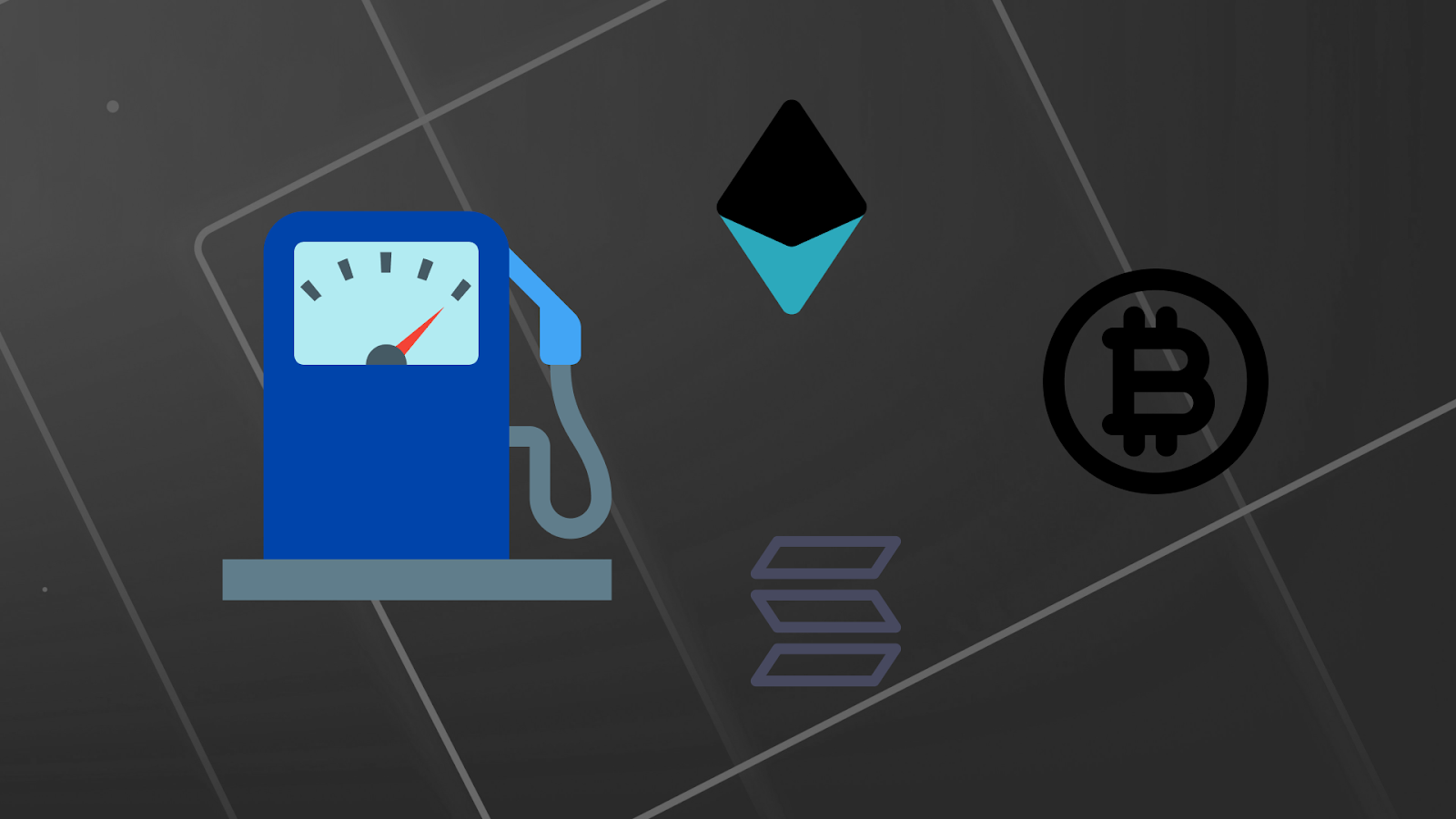
- Ethereum: Ethereum’s gas fees can fluctuate widely, but as of early 2024, average gas fees for simple transactions can range from $1 to $50 USD.
- Bitcoin: Bitcoin uses a block reward system to incentivize miners. Transaction fees are optional but can help prioritize transactions during periods of high network congestion. Average transaction fees can vary, but they are typically lower than Ethereum’s.
- Binance Smart Chain (BSC): BSC has lower gas fees compared to Ethereum, making it a popular choice for DeFi applications. Average gas fees on BSC are often less than $0.10 USD.
- Solana: Solana’s unique proof-of-stake consensus mechanism and parallel processing capabilities allow for low-cost and high-speed transactions. Average transaction fees on Solana are typically less than $0.01 USD.
Understanding gas fees is crucial for efficient and cost-effective cryptocurrency transactions. By considering the factors that influence gas fees and implementing optimization strategies, you can minimize costs and maximize the benefits of blockchain technology.