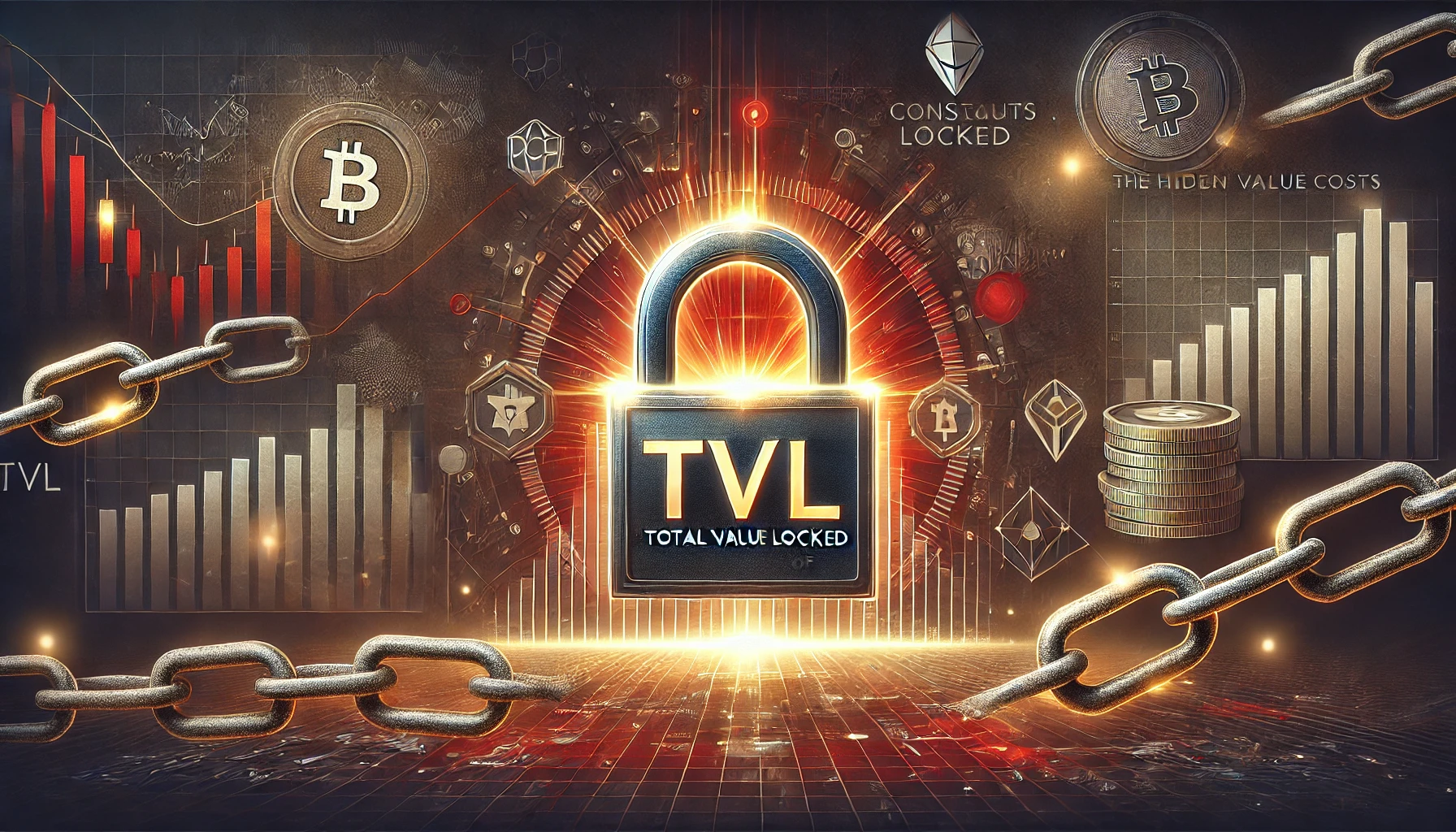
Introduction: The Hidden Costs of TVL
From 2020 to 2024, Total Value Locked (TVL) was hailed as a core indicator of success in DeFi. Projects poured resources into inflating TVL to attract attention, investments, and users. However, as the industry matured, it became apparent that TVL could represent a hidden debt—a metric that, while impressive on the surface, can mask unsustainable financial practices and lack of real engagement.
Projects like Blast and Eigen demonstrated how focusing solely on TVL can lead to overextension, bloated ecosystems, and long-term financial inefficiencies. The new challenge for DeFi is not just attracting TVL but retaining it in a meaningful, sustainable way.
The Decline of Artificial TVL and Wallet Metrics
The era of chasing inflated TVL and wallet counts is fading. These superficial metrics often fail to represent the true health of an ecosystem. Over the years, the market has shifted its focus to uncover the flaws of artificial TVL and ghost wallet activity.
Case Studies:
- EVM Layer 2 TVL Illusions:
A well-known Layer 2 network reported a $500M TVL. However, 70% of this ($350M) came from M-BTC, a token locked from another network, artificially inflating the numbers without generating real user engagement. - Post-TGE Decline:
Another Layer 2 raised $500M in private funding and claimed over $1B in TVL. However, on-chain activity plummeted soon after the token generation event (TGE), revealing a lack of organic growth and user retention.
The Reality of the TVL Race
The “TVL race” has become a well-known strategy, where projects inflate numbers through commercial deals, locking TVL in exchange for token payments. While this can attract financial whales, it rarely reflects organic growth or genuine user interest.
Similarly, wallet metrics are often distorted by airdrop farmers and blockchain bots, creating the illusion of activity without contributing to the ecosystem’s sustainability.
Shifting to Meaningful Metrics
To evolve, DeFi projects must transition from superficial metrics to ones that reflect the true value and health of their ecosystems. Key metrics to consider include:
- User Engagement: Tracking meaningful activities, not just staking or farming.
- Transaction Volume: Monitoring real economic activity.
- Developer Contributions: Gauging the consistency and quality of protocol innovation.
- User Retention: Measuring how effectively ecosystems retain participants over time.
These metrics represent a more holistic view of an ecosystem’s success, focusing on long-term growth and utility rather than short-term gains.
Building Sustainable DeFi Ecosystems
For DeFi to thrive, projects must address foundational questions:
- Are users genuinely engaged beyond incentives?
- Does developer activity reflect sustained innovation?
- Are ecosystems retaining users without relying heavily on token rewards?
By answering these questions, projects can pivot toward sustainable growth and create ecosystems that withstand market volatility and external pressures.
Conclusion: The Future of DeFi Metrics
The DeFi industry is at a turning point. Moving beyond inflated TVL and wallet metrics, the focus is shifting toward real user engagement, transaction activity, and developer innovation. These changes lay the foundation for a robust, sustainable future where ecosystems deliver tangible value to users and contributors alike.
Disclaimer:
This article is for informational purposes only and does not constitute financial advice. Always do your own research before making investment decisions. DeFi involves risks, including the potential loss of principal, and past performance is not indicative of future results.