Table of Contents
- What Is Blockchain?
- Why Is Blockchain Revolutionary?
- How Blockchain Is Changing the World
1. What Is Blockchain?
Blockchain can be a daunting concept when you first encounter it, especially if you try to understand it through technical articles. Let’s simplify it:
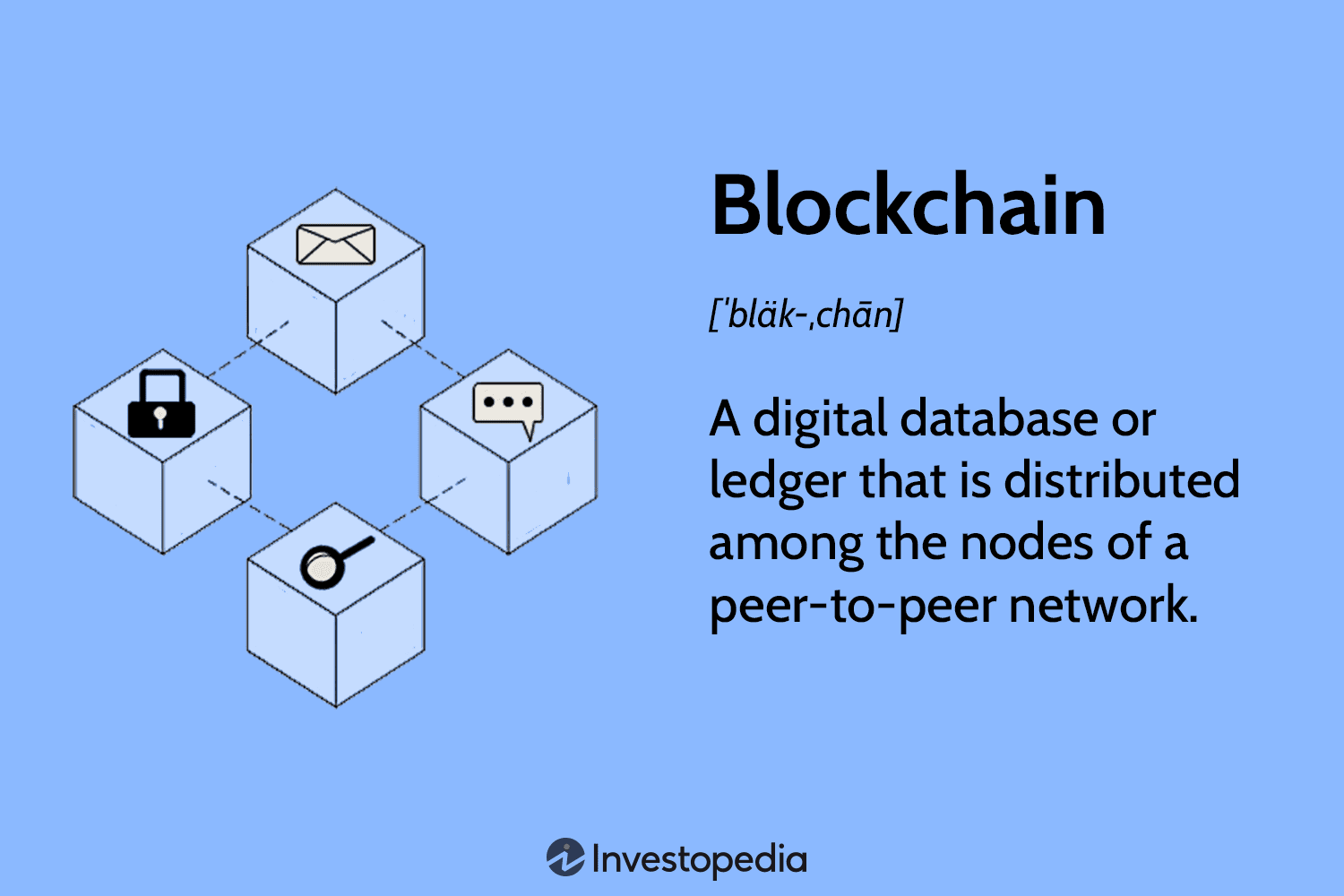
“Blockchain is a type of data storage method used to record transactions and store values in a secure and decentralized manner.”
This straightforward definition captures the essence of what blockchain does, though it doesn’t fully describe its unique qualities and impact. Blockchain might seem like just a “database,” but it’s a special kind of database that offers unprecedented levels of security, transparency, and decentralization.
Blockchain technology is essentially the combination of three pre-existing technologies that, when combined, create something truly revolutionary. These technologies include:
- Cryptography: Utilizes public key encryption and hash functions to ensure transparency, privacy, and data integrity.
- Peer-to-Peer (P2P) Networking: Each node (computer) in the network acts as both a client and a server, storing a copy of the ledger.
- Protocols: All nodes follow consensus mechanisms like Proof of Work (PoW) or Proof of Stake (PoS), driven by economic incentives.
Breaking Down Blockchain Technology
Cryptography: The Foundation of Security
At the heart of blockchain lies cryptography. In a blockchain network, transactions are recorded in a ledger that everyone can see, but only those with the private key for a specific account can spend or access those funds. Each transaction is encrypted, making it visible to the public without revealing the identity of the participants.
- Private Key: This key allows the owner to control their digital assets.
- Public Key: Shared with the network, this is used to receive funds and verify transactions.
Once data is added to the blockchain, it is nearly impossible to alter. If someone attempts to change it, the cryptographic hash (digital fingerprint) will flag the inconsistency, alerting the network to a possible fraud attempt.
P2P Network: Distributed, Decentralized, and Secure
The Peer-to-Peer (P2P) network ensures that no single entity controls the entire system. Instead of having a centralized server, the blockchain is maintained by many different computers (nodes) distributed across the world. Each node has a copy of the blockchain, ensuring transparency and redundancy. If one node fails or becomes corrupt, the rest of the network continues to operate.
This decentralization gives blockchain its power—no single point of failure and no centralized authority that can manipulate the ledger.
Protocols: The Rules That Ensure Consensus
Blockchain networks rely on consensus protocols to ensure that all nodes agree on the validity of transactions. These protocols dictate how participants validate new data, update the blockchain, and prevent malicious actors from tampering with the data.
Two of the most popular consensus mechanisms are:
- Proof of Work (PoW): In PoW, miners compete to solve complex cryptographic puzzles. The first to solve it adds the next block to the blockchain and earns a reward.
- Proof of Stake (PoS): In PoS, participants lock up a certain amount of cryptocurrency (stake) to be chosen to add a new block. If they act maliciously, they lose part of their stake.
2. Why Is Blockchain Revolutionary?
Blockchain’s real breakthrough is how it enables trust between parties without needing a central authority. Here’s why that matters:
1. Decentralization
Blockchain eliminates the need for intermediaries like banks, governments, or corporations in transactions. This means two people can trade directly with each other without needing to trust a third party.
2. Transparency and Immutability
Because every transaction is visible on the public ledger, blockchain creates transparency in systems that were previously opaque. Once data is recorded on the blockchain, it cannot be changed or deleted, ensuring that records are permanent and tamper-proof.
3. Security
Blockchain uses cryptography to secure data, making it one of the most secure forms of digital record-keeping. Even if a hacker wanted to alter a record, they would need to gain control of more than 51% of the network—a nearly impossible feat in large, decentralized systems like Bitcoin.
4. No Single Point of Failure
Because the blockchain is distributed across many nodes, even if part of the network goes down, the rest of the network remains functional, ensuring robustness and resilience.
3. How Blockchain Is Changing the World
Blockchain technology is being adopted across various sectors, reshaping industries beyond finance. Here are a few examples of how it’s making an impact:
1. Smart Contracts
Blockchain enables the creation of smart contracts—self-executing contracts with the terms written into code. These contracts automatically execute once the conditions are met, reducing the need for intermediaries like lawyers or banks and minimizing the risk of fraud.
2. Supply Chain Management
In industries like logistics, blockchain can be used to track goods from production to delivery. For example, Walmart has used blockchain to trace the origins of food products, ensuring that customers can verify the source of their groceries and improving food safety standards.
3. Identity Verification
Blockchain-based systems can provide secure, tamper-proof identities, reducing the risk of identity theft. In areas like government records, personal identification, and medical records, blockchain ensures that sensitive data remains secure and accessible only to authorized parties.
4. Decentralized Finance (DeFi)
Blockchain is also revolutionizing finance through decentralized platforms that offer traditional banking services—loans, savings accounts, trading—without relying on banks. DeFi applications are open, transparent, and accessible globally, providing financial services to underserved populations.
5. Voting Systems
Blockchain has the potential to transform elections by making them more secure, transparent, and tamper-proof. Votes can be recorded on a blockchain, ensuring that every vote counts and cannot be altered.
6. Crowdfunding
Blockchain is creating new ways to raise funds through Initial Coin Offerings (ICOs) or tokenized crowdfunding. This allows startups to raise capital directly from investors globally without traditional intermediaries, offering more flexibility and reduced costs.
4. Additional Resources
If you’re interested in diving deeper into blockchain technology, here are some recommended resources:
- Blockchain – Wikipedia
- Investopedia: Blockchain
- IBM Blockchain Technology
- Blockchain for Beginners – Blockgeeks
DISCLAIMER: This article is for educational purposes only. It should not be considered as financial or legal advice. Always do your own research before making financial decisions.